York historically claimed authority over Glasgow as an archbishopric, but the Pope dissented, naming the city a special daughter of the Church. No intercessor needed between us and Rome.
It began on a frosty Thursday morning. On the train over every branch and blade was crystalised. The most mundane undulation transmogrified. Half an hour behind schedule we pulled into the city of the white rose.
The first recognisable establishment from the station was Pizza Express, a favourite haunt of the Duke’s, though that perhaps pertains only to the Woking branch.
Number 1 on the agenda was the Minster. It’s £18 a ticket, which is a lot but your entry lasts you a year. There are free guided tours on offer but I decided to explore at my own pace. I take it clockwise from the west doors, heading initially to the transept, which contains a carved stone screen separating the nave from the choir. It has all the kings of England on it from William the Conqueror to Henry VI. I note the Shakespearean series from Richard II and scowl disapprovingly at the Edwards.
At the south end of the transept is the staggering (red) Rose Window, which survived a fire in the 80s, and before the choir is the octagonal chapterhouse.
The chapterhouse’s arresting geometry is reminiscent of the Basilica at Aachen. The sheer verticality and immensity of the space is astonishing. As one’s gaze is directed up and up you are rewarded at the full flexion of the neck with a view of the interwoven complexity of the central capstone, which is the focal point of each of the eight towering windows on every side. Every sill is fringed with dozens of carved gargoyles, each given a distinct personality with chisel and hammer seven centuries or so ago.
Mid-choir is the entrance to the crypt and the tomb of St William, patron of York. On the far wall, a mosaic proclaims, “Blessed are the peacemakers.”
Turning the southeastern corner, you come across the Cuthbert exhibition. The Cuthbert window is undergoing restoration currently, so in its place is the story of his life with accompanying illustrations in glass. A particularly amusing panel shows Cuthbert and a companion doing handstands. While the companion’s smock has fallen down to expose the undergarments, Cuthbert’s defies gravity to preserve his saintly dignity.
The museum in the undercroft tells of the city’s Roman past as an impregnable fortification. The present Minster is built on top of the remains of the fort, and there is evidence of reuse and upgrade in the visible architectural stages from Anglo-Saxon to Norman to English Gothic. Normans built with hollow columns filled with rubble whereas the later medieval Gothic style had solid columns that allowed visions to soar ever higher.
Outside the Minster, past the mason’s yard is a statue of the Roman Emperor, Constantine. He was proclaimed in York. As the first Emperor to convert to Christianity he made the slave religion the creed of the masters of the world.
By the time I had exited the cathedral, it was beginning to dim. Most sections of York’s walls were shut, but I did have time to explore the ruins of a medieval hospital in the grounds of a library before the light entirely faded.
Next on the agenda was the Shambles. To get there I had to walk through a Christmas market in full swing. Like Pilgrim, I was unmoved by the temptations of vanity fair. However, the Shambles’ quaintness did induce me to capitulate and I ended up getting a takeaway mulled wine from the mini pub on the street that supposedly inspired Diagon Alley.
At my accommodation for the night, they asked me if I was there for the snooker UK championship. Alas, no but I did watch another Trump victory before heading out for a solo pizzeria trip that brought my evening to a close. Not before Google Maps sent me along the aptly squelchy banks of the River Ouse to get there though.
Durham
Durham is built on what they call the “peninsula”. This is a strip of land almost completely enclosed by a hairpin bend of the River Wear. To reach this island from the train stations, you need to descend into the valley. What strikes you when you do are the weirs of the Wear. These are manmade steps assisting the river’s incremental descent and which salmon leap up in the autumn to spawn.
Crossing the Silver Street bridge you get your first full view of Durham Castle and Cathedral rising magnificently atop the crest of the valley and partially obscured by thick tree cover below. Nearly a thousand years of history have not detracted from the impression they leave on a mere mortal standing on the lowly cobbles beneath.
A fairly steep climb and you are at the top of Durham’s main market square. At first, you are confronted with the rear end of an equestrian statue – the image of Charles William Vane Stewart, an aristocrat of the first half of the 19th century who led a regiment of hussars against Napoleon and vigorously opposed trade unionism. The other statue in the square is, oddly enough, of Neptune – a monument to the abortive attempt to make Durham a seaport by re-engineering the Wear for the export of coal.
Onwards and upwards, though, to the summit of the hill and the main purpose of my visit – Durham Cathedral. This is truly a fortress of God. The power projection is self-evident. A building that compels a state of awe. A place of sanctuary for the outcast but also of dread for the unfortunate Covenanter POWs defeated at the Battle of Dunbar in 1650 by Oliver Cromwell’s New Model Army.
The great oak doors have at their centre a copper lion’s head. In its jaws is a ring with a handle for knocking on the timber, begging entry. If your calls for “sanctuary” are answered, so it is said, you had 37 days to make it to the nearest port and into permanent exile. Ecclesiastical jurisdiction provided a window of amnesty from the laws of the land.
A glass vestibule greets you, and in my case also a volunteer guide who informs me that entry is free although a donation is encouraged. Through the doors and staring down the nave there is a sense of vastness but also slightly discomfiting familiarity. The visionary masons who created this temple were the same as those who helped build up the great stone minster at Kirkwall to house the translated bones of St Magnus. Although the scale belongs almost to another order of magnitude, the similarities can be seen in the thick, round columns and Romanesque arches. Not squat exactly, but solid. Substance as well as ethereality. These two cathedrals have an earthiness, an of-the-earthiness which is perhaps lost in the dazzle of the spectacular York Minster.
I pay my museum entry, which includes a 10% discount for the café which is closed for refurbishment, and continue my tour, this time in an anticlockwise direction. I stop at the astronomical clock at the far end of the south transept and watch from the sidelines as a vicar of unknown standing in the Church of England hierarchy intones a midday prayer. She is praying for the parliamentarians debating the Assisted Dying Bill today.
Before I really have the chance to come to terms with it, I am in the choir at the entrance to the feretory containing the earthly remains of St Cuthbert. I don’t rush in. There is a list of all the previous bishops on a board to consult first. One notable name is Thomas Wolsey, of Wolf Hall prominence, of which I’ve lately been enjoying the new series.
The south window opposite the feretory is a modern piece depicting the life and cult of St Cuthbert as well as paying tribute to the coal miners of Durham.
Inside the feretory, there is a pleasing lack of interpretation. It is an intimate space in unusual contrast to the vastness of its wider housing. Cuthbert lies below a great stone slab, simply inscribed with the word Cvthbertvs. I briefly stand over him and then take a seat on one of the surrounding wooden benches.
A strange series of events has brought me here. Immediately, the fantastic novel by Benjamin Myres, Cuddy. It begins with the saint’s death, moving to the monks who carried his casket the length and breadth of Northumbria for over a century, to the building of the cathedral, the imprisonment of the Covenanters, his disinterment in the 19th century to the present day.
Before the novel, Cuddy I walked the St Cuthbert’s Way which starts at Melrose Abbey and crosses the Scottish-English border from West to East, ending at Lindisfarne.
Ultimately, though, my relationship with Cuthbert began through my friend Charles Wright whom I met in student halls and stayed good friends with to graduation and beyond. In the early summer just before graduation Charles and his friend John embarked on the St Cuthbert’s Way. Always that bit more adventurous than me, he was camping along the route and eschewed hostels. I remember him telling me about the saint’s heroic feats of endurance. St Cuthbert would immerse himself in the ice-cold waters of the North Sea and pray for hours on end. He always sought greater isolation and more extreme tests of faith. Even windswept Lindisfarne was too tainted by worldly comforts for Cuthbert. He relocated to Inner Farne – an island off an island – to find the austerity he craved.
Charles passed away suddenly from a dormant heart condition on 7 April 2020. The national lockdown had been announced two weeks earlier.
Exiting the feretory, there is an entire window on the north side of the cathedral, finished in 2019, dedicated to Sara Pilkington, an art student who died from a cardiac condition in her final year of studies.
Escape is my aim but my nostrils root me in greater Glasgow when two friends embark at Dalmuir harbouring a sharp scent of cannabis in the folds of their clothes, unfurling as they rise or shuffle in their seats.
Sooner than expected, though, the train leaves the conurbation behind, and we are in the autumnal Highlands. The full leafy spectrum is on display, from boldest crimson to chlorophyllissimo. Although delayed by 10 minutes, we reach Oban in time to catch the ferry. I bungee-strap my bike on the car deck and survey the crossing to Craignure in the mild mid-October open air.
Views from the train to Oban.
To be among the waves again is nourishing, although there really is minimal chop. The auburn-coloured canine is audibly perturbed and visibly agitated by the uneaten scotch egg in my backpack. I shift my position to minimise (his/her?) distress, although perhaps it is more torturous to be just beyond a lead’s breadth from a decent sniff? The dog is forbidden to eat while travelling, I’m informed. No snacks for Scooby this afternoon.
Listening to the Calmac announcements convinces me that there is at least partial truth in the factoid that the Highlanders, coming to English as a second language from the Gaelic, speak it in its purest form. My ear delights in how carefully each phoneme of the word “signal” is pronounced, alas to the detriment of any safety message being conveyed.
Aboard the MV Loch Frisa from Oban to Craignure.
Tobermory is 21 miles away. I aim to make it for 5pmish. It’s a comfortable start with (surprisingly, because there is a specific announcement just before disembarking regarding single-track roads) two lanes and gentle inclines until you reach the village of Salen (pronounced “sall-en” not “sail-en” like the witch trials). From then on, after a false sense of security afforded by the flat and winding shore of the seemingly endless Sound of Mull where several fishing boats have been inexplicably but picturesquely abandoned, you are driven up and down and up and down ad nauseum till one fantastic descent before the capital where it opens up to two lanes again and you can move to the lower grips of the handlebars for the full freewheeling thrill.
Hidden by hills hitherto in its natural harbour, Tobermory reveals itself with its unmistakable rainbow facades. My first encounter with Mull, not knowing it was Mull then, was with the town’s fictional alter-ego, Balamory. In a sense then, I had been here before and coming across Tobermory for the first time in the flesh was a recognition as much as a discovery. As for Mull itself, I first became conscious of it as a distinct entity on the BBC’s Autumnwatch where they memorably covered the rut of the stags (one seen from the window of a bus on Day 3) and the frolics of the otters (only glimpsed on road signs telling me to watch not to run one over).
Yet more steepness greets me as I get into the town proper. I wheel my steed up the last summit and ring the doorbell for the B&B which is to be my abode for the next three nights. My bike lodged safely in the back garden shed, I shower then make my way down to the main street to get my bearings and sustenance in the yellow of the primary coloured buildings featured most prominently on postcards of the harbourfront.
Wednesday
I choose to take my petit-dejeuner at 8.30 so as to dine with my fellow guests. This was requested off the back of my enriching encounter in Ferns with the motorcycling Dutch couple and the American solo traveller.
Retirees were to greet me once more. This time, Australians. They were on a three-week tour of the UK and Ireland and leaving the next morning for Skye by way of the Glenfinnan aqueduct to watch the Hogwarts Express puff across the valley. Their itinerary was to cover the North Coast 500. No time for Orkney regrettably as changing flights would have cost 1200 dollars. Perhaps next time?
The husband wasn’t a fan of personal injury lawyers or criminal defence. Commercial law, though, they’ll never stop needing that. I said that was the one area I didn’t want to go anywhere near. Cue a minute or so of awkward silence.
I said how I thought Mull was quite a big island – bigger than I’d anticipated; I would need to take a bus to get the boat to Iona tomorrow. Australia’s a big island, isn’t it?
This precipitated a long monologue about the vastness of Australia and, in particular, the pleasures and pitfalls of 4×4 desert driving in the outback.
When our host returned we got to talking about native and invasive species, snakes in Scotland and Mull’s anti-stoat campaign, whereas otters are seemingly beloved.
A helpful guide at Tobermory pier.Don’t throw stoats overboard!
My first destination was Calgary Beach. The city in Alberta, Canada is named after here although there the locals pronounce it with two syllables instead of three according to Wikipedia.
It was a rainy start but luckily I had my waterproof trousers. I unnecessarily locked up my bike and rounded the bay watching waves transfer their energy, advancing left to right, traversing the extremities of my peripheral vision. Rippling and writhing like the adders and slowworms of this morning’s breakfast table before crashing, fizzing away to nonexistence, withdrawing stealthily and gathering strength for yet another assault.
I am reading Virginia Woolf’s The Waves and as I walk along the shoreline I think of her and the River Ouse, weighed down by stones to facilitate sinking. The lure of the embrace of the waves; freshwater for her, but the principle remains. My mind flicks back to a character in the Clayhanger novels by Arnold Bennett who attempts the same in Brighton. To be recommended – the novel, perhaps not the suicide method.
After Calgary, I was Ulva-bound, an island off Mull’s northwest coast. The road there wound up and up in multi-phased ascents, false summit after false summit. Several times I had to dismount and walk my bike up due to this demoralising progress; often my momentum was broken up by a car I had to let pass on the narrow track. The fruits of my labour were to be won, however, when I hit Dervaig and got to downhill gradients of 14 and 20%. I did have to exercise some restraint though because as well as rapid plummets were hairpin bends and blind corners – not that there is a huge amount of traffic in north Mull, but best to avoid head-on collisions if at all possible. Both brakes, front and rear required application.
Before Ulva, I came across the Eas Fors waterfalls. I threw my bike down on the grass and scrambled up to a better vantage point. An upper tier seemed accessible if all four limbs were set to the task and so I climbed. Mull seemed to be perpetually gushing from its hillsides but this series of cascades were its most vigorous and characterful, so well worth inadequately capturing on camera.
The place where you get the ferry to Ulva is imaginatively named Ulva Ferry – a subordinate entity, like Port Glasgow, I suppose. To get across you need to pay the ferryman £10 to board a craft that seems like it could have been created on Scrapheap Challenge. In fairness, there is no other way to reach Ulva if you don’t have your own boat, and it is a return.
I took my bike across but ditched it almost instantly as there are no roads, just gravel path and trodden track – a travel tip for Ulva. Most of the time on the island I spent on foot along the woodland trail – a welcome break from 2.5 hours cycling. I did not encounter a single resident, just wandering livestock and an abandoned tractor in the middle of the forest. After having got mildly lost for a few minutes, I regained the woodland path after a worthwhile coastal detour.
Arriving at the pier, the ferryman was on the mainland side. Finally, I did meet two locals, one astride a quad bike. I remarked that she was unlikely to be boarding the HMS Scrapheap Challenge on an ATV. They were heading to Gometra whose name seemed to me to be more suited to a dying star than an island accessible via a tidal causeway off the west coast of Ulva.
Sheep herds by the dozen (the population of Ulva is 11 according to Wikipedia)
Back on the mainland, I had 20 or so miles to go to complete my circuit of north Mull and regain Tobermory. After my chip shop tea, I settled down for an earlyish night before tomorrow’s 7am start involving a bus to Fionnphort and from there the ferry to Iona. My other option, due to Mull’s vastness, would be over 100 miles of cycling in a single day, which was not an appealing prospect.
Thursday
Bus 2 of 2 was driven by a chipper Edinburgh man easy to laughter and attempting to bring everyone into the joke with moderate to good success. A lady of about 60 in a silver jacket approaches. “Oh no,” he says, “She’s already complained, she might take a bit of talking down.”
The subject of her complaint was that they had recently merged the service bus and the tourist bus to the detriment of the residents. Today it was hard not to see her point as they had held the bus back to suit the visitors arriving from the delayed ferry who’d paid for Staffa and Iona tours rather than sticking to the schedule which would have allowed her to keep her appointment in Fionnphort. Annoying too for her to hear the running commentary of the driver for the benefit of the visitors when she just wanted to get from A to B. It was to our benefit though, and helped contextualise the landscape, giving colour and interest to territory seemingly untouched bar the incursion of this snaking single track.
Almost as soon as we stepped on the ferry at Fionnphort a disembodied voice announced, “We will shortly be arriving at our destination. Could all vehicle drivers please proceed to the car deck for disembarking.”
The boat is packed and no one wastes time after the first step on terra firma in marching up through the villages and following the unmissable sign – “To the Abbey and [somewhat apologetically] Nunnery”.
It is the latter of the two that one first comes across. These are true ruins, left as such, whereas the abbey itself is a working building used by the Iona religious community, reinforcing and updating the medieval fabric where necessary to keep it watertight and liveable in the modern era. The nunnery, in comparison, though is relatively new and was founded in around 1200. With its remote location, it has been well preserved, although no nuns have been here since the reformation. You can still sit on the cold stone benches of the chapterhouse and contemplate the austere life of those daughters of the aristocracy sent here in pursuit of prestige and the favour of God.
At the Historic Environment Scotland ticket office, I revealed myself to be a former member of staff and managed to negotiate a concession entry fee. In a similar manner to Skara Brae on the path leading up to the abbey you are encouraged to acknowledge the significance of the journey you are about to make as you put yourself in the shoes of countless pilgrims of yore coming to venerate the seat of St Columba, missionary in the kingdom of Dal Riata, converting the northern Picts and bringing Christianity to Scotland before it knew to call itself by that name.
A little in front of the abbey stands a small hill which the audio guide invites you to climb. Here once stood Columba’s writing hut where he penned hymns and correspondence from the spiritual centre of the British Isles.
The view from St Columba’s writing cell. In the centre is St Martin’s Cross and closer to the Abbey is the replica of St John’s Cross where it originally stood.
On the approach to the abbey, you are struck by the presence of two great stone crosses with elaborately carved biblical scenes and Celtic knot designs. In addition to the simple crucifix is the interposed ring creating four gaps between the beams. From these were hung wreaths and other adornments on liturgical feast days. The furthest from the abbey is the more striking, standing in isolation on the same spot it did during the middle of the 8th century when it was erected. It is dedicated to St Martin of Tours. The other cross, which stands in the shelter of the abbey courtyard is a modern reconstruction of St John’s Cross – the original is on display in pieces in the museum. It is astonishing to think that before Iona there is no record of crosses with interposed rings. The Celtic crucifix was yet to take its place in Christian iconography. This is where it all began.
St Martin’s Cross from the 8th Century AD.The iconic St John’s Cross in the Abbey museum.
Should you visit Mull and if so, how?
In sum, I would thoroughly recommend a couple of days trip to Mull for anyone in proximity to the West of Scotland. If you are comfortable with or at least undaunted by a lot of hills then take a bike, otherwise, a car is necessary to see all the sights, although you can get away with the ferry and bus if Iona/Staffa is the extent of your ambition. As the tourist campaign literature says, “a day is not enough” but two days is probably just about sufficient!
I was a couple of paragraphs into Guy de Maupassant’s short story Corsica when I had a sudden and vivid sense of déjà vu. Where had I read this before? Was it in an educational context? Perhaps at school? But why would I be reading it there? Surely there were enough short stories in the original English not to have to resort to literature in translation. My language at school was German, so it can’t have been there.
Some days later the recollection appeared to me so suddenly I could almost feel the synchronous firing of synapses, the vaguely familiar shocked into startling clarity.
In the summer of 2022 I had decided to get semi-serious about learning French and found a tutor based in Glasgow online. We discussed my learning goals – to read the great writers in the original being among them – and she set me de Maupassant’s contes to work through week by week, though my level was such that each story was a line-by-line puzzle to unlock. By the end of that summer I did have enough comprehension to leave me with distinct images and outlines of plots, even if the nuances of the language in all likelihood flew over my head. This particular Corisican conte was absorbed while awaiting a Flixbus in Aachen, Germany (or should I say Aix-de-Chapelle?) in mid-October. It was to take me from there back to Amsterdam after a quasi-pilgrimage to the octagonal basilica of Charlemagne/Karl der Große.
A combination of the commitments of the law diploma, the inherent awkwardness of such an arrangement and a lack of persistence/willpower sufficient to overcome these meant that the French lessons fell by the wayside. I have continued in self-study with varying degrees of diligence over the subsequent two years but never with the intensity of purpose required to break into something approaching fluency.
Nevertheless, my cultural interest in France and the French has not waned. This year in particular has offered me the opportunity to read the French greats of literature (albeit in translation) with Zola’s Germinal being the book group pick for June and October’s being de Maupassant’s collection of A Parisian Affair and Other Stories.
Guy de Maupassant is famous as the master of the short story in the Francophone world. His most prolific decade was the 1880s.
Although contemporaries, Zola takes a backward glance at the then-expired Second Empire, whereas de Maupassant is more of an observer of its collapse, Prussian/German ascendance and the Third Republic that succeeded it. Several of his stories take place during the Franco-Prussian War of 1870/71 or are influenced by the trauma of invasion, occupation and the obvious shame of no longer being the top dog on the European continent after centuries of supremacy. One such story that skirts around the edges of the war takes place in de Maupassant’s native Normandy. The train in which the narrator is travelling breaks down outside a small town and the passengers are asked to disembark for several hours to allow it to be fixed. Considering how he will occupy the time, the protagonist remembers an old university friend whom he remembers now lives in the town, practising medicine. Looking him up, helpfully directed by the first local he meets, he stands before his pal and several thoughts occur to him – he’s let himself go, he positively radiates “provincial”, he’s barely recognisable but it’s all too obvious what’s happened here – his mental universe has shrunk to the size of small-town life:
Dans un seul élan de ma pensée, plus rapide que man geste pour lui tendre la main, je connus son existence, sa manière d’être, son genre d’esprit et ses théories sur le monde.
In a single moment of thought, more rapid than a handshake, I knew his existence, his mentality and his theories on the world.
Isn’t it boring to live your life in this little town? he asks him.
Taken together, a little town is like a big one, the provincial replies. The happenings and the pleasures are less varied, but when they do occur, they are of greater significance. One’s neighbours are fewer, but one encounters them more often. When you know all the windows in a small town and know every person behind them, you have much more interest than you would in an entire Parisian street.
The narrator accuses his old friend of parochialism as he relates a proud history of the town from Julius Caesar to the present. He replies, “Parochialism, my friend, is nothing other than a natural patriotism.”
Turning to the subject of the recent humiliations at the hands of the Germans, the provincial refuses to be caught up in the Germanophobia:
Je suis Normand, un vrai Normand […] je ne le déteste pas, je ne le hais pas d’instinct comme je hais l’Anglais, l’ennemi véritable, l’ennemi héréditaire, l’ennemi naturel du Normand.
I am a Norman, a true Norman […] I do not hate [the German], I do not have the instinctual hatred like I do for the Englishman, the veritable enemy, the hereditary enemy, the natural enemy of the Norman.[1]
This exchange is really only the frame of the main story, which is Madame Husson’s Rose King (adapted by Benjamin Britten in his opera Albert Herring playing in Glasgow currently) but to me, it is the more captivating one. The pretext for the tale is the provincial explaining a local idiom to his friend from the train. At the end of the story, he relates the history of his town from the Romans through Normans, to English invasions and back to French monarchs in effect showing that casting an intense gaze on the local can often reveal a Weltgeschichte in miniature. His love for the local is its interconnectedness with the universal. His head, as his fellow graduate assumes, is not buried in his sand, rather, his feet are buried in the soil, his gaze directed out across the world.
De Maupassant’s stories, in general, as indicated by the title of the collection highlighting A Parisian Affair are about the French capital as a centre of wealth, luxury, extravagance, intellectual sophistication, social liberalism and cultural refinement. That particular tale brings sharply into focus his concern with the idea of Paris and the desire of its female protagonist to escape the boredom and restriction of provincial life.
The metropole and the province are in constant tension with de Maupassant never really coming out in favour of one over the other. However, in Parisian Affair the protagonist swiftly becomes disillusioned with the grandeur of the supposed high life of the cultural elite and decides she is content to return to country life all along, having now tasted of the ideal which has been so much more attractive when remaining so – a fantasy assembled from newspaper cuttings of gossip columns, scandalous reportage and literary reviews.
These contes continue to resonate even in the 21st century, not least because of their surprisingly progressive subject matter – there is a story about openly lesbian lovers who seem to be freely accepted within the Seine boating scene of the 1880s, but also because Paris retains a hold on our collective imagination like few other cities in the world. If we have not been to Paris physically, we’ve been there imaginatively, and psychologically. Even if it’s not Paris, almost everyone will have felt the draw of the cosmopolitan epicentre; the desire to be where it is happening, at the edge of the cutting edge, the vanguard of the new.
While Paris may no longer be the world centre of cultural production, and much of its allure now is as a romanticised, digestible monument to its 19th /early 20th-century gloire, it is still a Weltstadt equivalent in stature to Berlin, New York, London and, in the last half-century, Los Angeles. Like great whirlpools they suck in the aspirational from far and wide, drowning many but propelling those perpetually who dare to swim amid the vortex.
One such contemporary swimmer/sinker is Amy Liptrot, co-director and author of the book and film The Outrun recently released in the UK this month. The metropole – London; the province – Orkney, more specifically Papay/Papa Westray – an island off an island off an island.
Techno on the farm: Saoirse Ronan plays ‘Rona’ in The Outrun. Probably unique in its depiction of the Orcadain lambing season on the silver screen.
The story is of the author’s alter ego, Rona’s 30th year. She has returned to the islands of her childhood after drinking too deeply of London’s infinite variety of events and pleasures and immediately following a 90-day rehabilitation programme for alcoholism.
This is not a simple tale of island as antidote to city, however. Rona is initially suffocated by everyone knowing everyone’s business at the lowest point in her life. Compared with the anonymity of London life, the accountability – having to tell a version of her story to everyone she meets – is painful and only enhances her apartness. Despite growing in up in Orkney, her English parents and milder accent due to having been living South for a decade-plus continue to mark her out as other and really only provisionally/technically Orcadian.
There are only two ways to go: ferry to the mainland and onwards to the comforting toxicity of the capital or deeper tactical retreat aboard the world’s shortest scheduled flight to Papa Westray.
Here the folk are even fewer, but, it seems from their depiction in the film, more genuinely concerned about her well-being and motivation than looking for gossip. The events are much less frequent and participation is compulsory when your absence would undoubtedly be remarked upon. At first, this is burdensome, especially because in Britain socialising and drinking are virtually synonymous but by the film’s conclusion the island is having an arts festival with bonfires, costumes and chanting. People from all over have travelled to Papay to create and experience this strange slice of the particular that in its nebulous way seems to stand for the proto-ritual common to all humanity. It is the turning point in Rona’s story or can be seen as such. The sea swimming which, as I recall, had greater prominence in the book, is weirdly more akin to the thrill-seeking sensuality of addiction to be the adaptation’s lasting insight.
To declare an interest, I am from Orkney myself and so my view is not necessarily the most objective. As an Orcadian, the film was a joy to watch. Despite my drawing attention to the challenges of “provincial”, particularly island, life, The Outrun clearly comes from a place of largely uncomplicated affection for the isles and as with being in love with a person one is likely to overlook and minimise their flaws. An example of this is probably in the directors’ decision to involve the local community so much in the film. While it is, for me, astonishingly uncanny to hear an Orcadian accent featured so prominently in a major cinema release, there were definitely times when the use of amateur and, frankly, non-actors took away from the immersion.
That said, in my biased opinion, you are unlikely to see a film quite so particular with such a unique authorial voice this year. (Dune: Part Two is probably still my favourite though!)
[1] Translations are my own – was a fun exercise, and they are almost certainly flawed!
Woodside Library has a “take a book, recommend a book shelf”. I’ve borrowed from it multiple times. The last time I did so, I picked up David Graeber’s Bullshit Jobs and recommended North and South by Elizabeth Gaskell.
I had previously read Debt: The First Five Thousand Years and his last published work, The Dawn of Everything. Both of these books changed the way I think about things deeply. I never find myself 100% agreeing with Graeber but he always presents something novel and challenging, so I was happy to accept the recommendation.
Graeber’s central thesis is that a large proportion of “work” carried out in the Western world is entirely without utility and the world would be no worse off without it. What’s more, the people engaged in these tasks feel this to be the case and more often than not make no protest.
This theory is presented as a phenomenon of late capitalism. However, occupational bullshit has existed for centuries, if not millennia. It’s just that it used to be the preserve of the aristocracy and their entourage, whereas now bullshit has been greatly democratised.
A bullshit job is essentially a “gentlemanly” occupation. In other words, it’s about the status of the employed person or the status of the employer much more than it is the real value of the work they do. In the 19th century, such jobs existed. One example leaps out from the page of Edith Wharton’s The Age of Innocence:
“he arrived late at the office, perceived that his doing so made no difference whatever to any one, and was filled with sudden exasperation at the elaborate futility of his life. […] No one was deceived by his pretense of professional activity. In old-fashioned legal firms like that of which Mr. Letterblair was the head, and which were mainly engaged in the management of large estates and “conservative” investments, there were always two or three young men, fairly well-off, and without professional ambition, who, for a certain number of hours of each day, sat at their desks accomplishing trivial tasks, or simply reading the newspapers. Though it was supposed to be proper for them to have an occupation, the crude fact of money-making was still regarded as derogatory, and the law, being a profession, was accounted a more gentlemanly pursuit than business. But none of these young men had much hope of really advancing in his profession, or any earnest desire to do so; and over many of them the green mould of the perfunctory was already perceptibly spreading.”
Since the 1870s these “two or three young men” have multiplied exponentially. According to Graeber almost half of the working population are engaged in “elaborate futility”. While “simply reading the newspaper” has been replaced by social media scrolling, “trivial tasks” remain a mainstay of a great proportion of contemporary employment.
Having an occupation for the sake of having an occupation is an idea explored in Graeber’s book. Although the idea of economic growth as a yardstick by which the success of all governments should be measured has been challenged prominently in recent years[1], fewer people seek to challenge the narrative of jobs for jobs’ sake in public discourse. Quite the opposite; a job is seen as inherently a good thing no matter its actual contribution to society. Graeber draws the reader’s attention to an instance of Barack Obama justifying this precise assumption, which often remains unspoken, where he argues against dismantling America’s profoundly unjust private health insurance system primarily because doing so would wipe away thousands of claims processing jobs whose main purpose is to restrict and limit access to healthcare. Obama values “having a job” as worth more than a just society.
There are, of course, inherent benefits of having a job other than a reliable source of regular income. One can feel proud of having of a job, of making a living, of providing for one’s family. There is a certain amount of dignity in working in itself. It seems that there are few people on benefits who are particularly proud of the fact despite certain sections of the media encouraging us to believe that flagrant benefit cheats abound in the UK.
But what if these are really just societally conditional states of consciousness? After all, being on benefits is a kind of reliable source of regular income. The government could decide to take them away if it wanted to, but so could an employer if they decided your position was redundant. One can hypothetically provide for one’s family by claiming the correct benefits (that is if you have two children or fewer). Why is it then that having no job is stigmatised and any job at all affords one dignity?
I came across an instance of this ideology in play when observing a criminal trial a couple of weeks ago. The witnesses had given their evidence and it came to summing up. In her submissions, the procurator fiscal framed the central issue of the case to be whether the judge found the witnesses for the defence or the witnesses for the crown credible and reliable. She effectively implied that the crown witnesses should be believed because they were professionals; both the defence witnesses were unemployed.
Is there truly a case for job creation solely for “feel-good factor” or, more soberly, dignity? It is straightforward to see why in a capitalist society having a job affords one dignity inherently. By having a job, one is participating in society because society is predicated on people exchanging their time and labour for money used to purchase goods and services from businesses whose profitability, in theory, allows them to create more jobs, perpetuating the cycle. On a meta level, though, you have “earned” that money because you sacrificed your time and toil for it. Taking this logic, people on benefits neither participate in society nor earn the money they receive. People with jobs do “an honest day’s work”, the implication being that unemployed people are dishonest and undeserving.
What happens, though, when so many people who have jobs experience no “feel-good factor” and when the role they have affords them no real dignity if not actively humiliates them? Almost half of people in employment, Graeber claims, feel their jobs bring no benefit to society. Yes, people are spending an increasing amount of time at work or on call – despite efforts to introduce a four-day week – but they are doing far less in that time, and it appears they secretly believe they are pulling off a scam by being paid so generously for that meagre exertion in relative terms.
What’s the harm in that? One might reasonably suggest. Well, it is that the “certain number of hours” one is obligated to show face constitute the majority of one’s time on planet Earth in our current culture of work. Keeping up the pretence is psychologically exhausting, and to spend most of one’s waking adult life involved in elaborate make-believe you know to be so is spiritually corrosive.
In the past, Graeber contends, the medieval European adolescent entered into the service of a wealthier household and completed a period of employment which was an apprenticeship. At the end of that apprenticeship, he would marry and set up independently, in turn employing apprentices himself. His adolescence was over. The years of deference and submission to the will of the master were able to be tolerated because there was a high degree of certainty that he would one day be his own master and could do as he pleased.
Today a certain pride still persists in “men wi’ a trade” and rightly so; their skills are demonstrably useful to society. I have talked about the phenomenon of the neo-self-employed as a growing fraction of society in a previous post. The joiner, the plumber and the electrician still live the medieval model of apprentice-to-master. Because of this, they are much more likely to see the capitalist model as unproblematic. They can “serve their time” in a relatively short period and escape wage labour for good while still retaining the dignity of work. Contrast this with the average modern worker living in a state of perpetual adolescence.
David Graeber’s solution is to collectively give up the pretence and introduce Universal Basic Income. This would, in his view, reduce the stigma and indignity of unemployment (deliberately stigmatised and made undignified by politicians committed to means testing and bureaucratic humiliation). Bullshit would evaporate. Those with occupational pride in their usefulness to society, or plain entrepreneurial spirit, would continue to work or do business and earn on top of their guaranteed income. People not inclined to enlist in “essential services” would be free to pursue other projects unburdened from the need to account for their economic inactivity to the state.
Graeber has clearly diagnosed something hugely prevalent in Western society in the phenomenon of “bullshit jobs” that says something about how we view and experience work. I am not convinced, however, of his proposed solution. Graeber is an anarchist and as such is against the state as a concept. His solution demonstrates the weaknesses of anarchism and, seemingly, the weakness of his anarchism.
Firstly, UBI is prima facie a huge state intervention. Graeber refuses to address the practicalities, which no doubt would involve a large amount of bureaucracy, albeit eventually less than the current means testing regime, one would hope. In order for the government to redistribute huge amounts of wealth it needs to extract taxes (or borrow), which if not just expropriation, requires a large, developed state bureaucracy.
Secondly, this one giant state intervention is presented as a silver bullet. It seems that UBI with a single shot will cause a chain reaction that will eliminate bullshit wherever it is or may have otherwise arisen. Effectively, with UBI in play, “market forces” will strangle bullshit in its cradle because there is no rational economic need for it. This is a strange conclusion to make given what the book has previously said about private sector bullshit being far worse than public sector “inefficiencies”. Graeber has spent many pages detailing the cultural, unconscious reasons why bullshit jobs abound and persist especially in the private sector. He fails to address how this single economic intervention would subvert, or perhaps even invert, cultural norms that have persisted for decades in the corporate world.
UBI alone will not usher in a utopia. It is undoubtedly capable of effecting profound cultural change and is a solution to certain problems of contemporary culture around work. I’m sure it would allow creative lifestyles to be more viable and allow people to reduce their working hours without fear of not being able to pay the bills. However, Graeber overstates the disincentivising impact it would have on employers in the creation and maintenance of bullshit jobs whose raisons d’être are economically irrational (ideological) and unlikely to disappear when the social relations underpinning production remain unchallenged.
[1] For the record, I am not a de-growther but I do not believe that addressing Britain’s ubiquitous social decay should be predicated solely on economic upturn driven primarily by private investment.
These are trying times indeed. I’ve been watching connected criminal proceedings at the Glasgow Sheriff Court as part of my job as a trainee civil litigation solicitor. On the third day observing I had cycled back down to Carlton Place after a 1230 adjournment to allow the sheriff to deal with urgent business ahead of the trial resuming at 2pm. I locked my bike up right outside the court and returned at a few minutes past three to find only the frame of my Genesis CDA 20, sadly without wheels.
Since then my life has been regrettably bipedal (and not two pedals). I was the uninsured victim of my convenient quick release mechanisms. As I write my bike is in the shop and replacement wheels are being fitted courtesy of a Bike2Work scheme voucher (basically an interest free, non-taxable loan coming directly from my salary). At some point next week I should be on the road again.
Luckily, my holiday the following week was not a voyage velocipedal but an expedition…in the sense of a journey on foot. I am continually on the lookout for interesting routes to follow that will take me through country which would otherwise remain undiscovered to me. One such was a newly conceived trail, the Wexford-Pembrokeshire Way which is supposed to approximate the footsteps of St Aidan on his way from Ireland to meet St David in Wales. I had never been to either. Also accessible by rail and ferry rather than flights.
As it turned out, my rail travel to and from Wales was completely free due to delays, so a saving as well. The first passed over the Menai Strait on the way to Anglesey where a battle took place in the summer of 1098 between Magnus Barelegs, King of Norway and two Anglo-Norman earls, both called Hugh. St Magnus, before he became co-Earl of Orkney, travelled in the cohort of the Norwegian king but refused to take part in the fighting, instead praying and signing psalms as arrows flew overhead. Understandably, the king and co were not too pleased with the pacifist Norseman and he fled the battle, taking refuge up a tree until things had calmed down sufficiently. According to the Orkneyinga Saga he spent the years between Angelsey and his ascendancy to the Earldom at the court of Malcolm III, King of Scotland, although this is chronologically incoherent as he died in 1093.
My first destination was Holyhead. From there I would get the ferry to Dublin. The first thing to learn was the pronunciation – not “holy” but “holi” as in holiday. From the train station, I cross the “Celtic Gateway” bridge (you cross it to get the ferry to Ireland). The first thing to notice is the market cross, dedicated to the Glory of God in four languages – English, Latin, Welsh and Irish. I love encountering these in-between border places.
After checking in to my B&B I head back into town and pick up a Thai curry, taking it with me on my walk along the harbourfront as the sun sets. Eventually, I come upon a sunken garden with a picnic table. I enjoy the most picturesque pad Thai I have ever consumed completely undisturbed in the shelter of this botanical hollow.
Dozens of sailing boats populate the marina, suspended in a salty soup of orange and shielded by the colossal arm of the UK’s largest breakwater. Had I been feeling more energetic and had more light to spare I would have bestridden its full length to the clenched fist of its conclusion (or at least till the crook of the elbow).
On my return the water sloshes lethargically against the unyielding walls of the pier; a lacklustre chapping without hope of being let in. Persistent, ill at ease with being so hemmed. I dip my fingers in and have a taste. Yup – salty.
The next morning checking into the ferry I am asked to empty my pockets. I duly decant my raisin snack box.
“What’s that, your brekkie?”
Something like that, I mumbled, though I later bought myself a “full Irish” on the boat as a holiday treat.
Foot passengers were relatively few on this Tuesday morning sailing but they more than made up for their small number with their enthusiasm. From 8.30am they were hitting the bar and stopped only when the shutters were drawn three hours later in port.
The weather was such that “taps aff” may have been justifiable, though it would probably take a brain transplant for me to get into that zone at 9am. There were reports of a particular youth among their number climbing the rigging and having to be wrestled into a lift by his SO.
There was a 30-minute delay in disembarkation for no discernible reason. At this stage, I decided to forgo the connecting bus from the terminal, which was not there to greet us anyway, because I had had quite my fill of the early-starting stags and the ceaseless inanity of their chanting. Thus the first prolonged walking I did on my trip was the half an hour or so out of Dublin port and into the city.
Lunch was accomplished and I set about the task of acquainting myself with the Irish capital as systematically and efficiently as possible. First step: locate the cathedral. I set off in the direction of St Patrick’s – which seemed to be the biggest and no doubt the most historically significant.
On my way there I came across a complex known as Dubliana. It was a Viking and medieval museum. That is my kind of thing, I thought. My brief historical research before coming here was to re-read the parts of the Orkneyinga Saga about Sveinn Asleifarson’s exploits in the city. Sveinn would go on his spring and autumn trips raiding and then return to his farm in Orkney to live off the plunder the rest of the year. Concerned about the chaos he was causing, the Earl asked him to give up this pastime. Sveinn reluctantly agreed but not before “one last trip”. This took him to Dublin where he managed to capture and hold the city for a number of days, terrorising the locals into giving up all their treasures. None too pleased with being so imposed upon by this Orcadian and his private army of Vikings, the Dubliners laid a trap for him and his men by covering deep pits with rushes and reeds and luring them to the spot. Inevitably, the reeds collapsed and the raiders were stabbed to death in the pits where they fell.
Despite his ignominious end, Sveinn is named by the narrator of the saga as one of the greatest men in the Western world. I think that by “great” we can assume they do not mean virtuous and I think the Western world would probably refer to the Norse lands west of Norway rather than Christendom in general.
Anyway, after spotting a re-enactor I came to the conclusion that the museum was mainly for kids and it would probably be a bit strange for a lone 27-year-old to be going about in that crowd. However, it was to prove not to be the only encounter with re-enactors on my trip.
Instead, I chose historical survivals over revivals/reprisals. Before St Patrick’s I came across Christchurch – Dublin’s oldest place of worship, dating back to Norse settlers in the 1030s. Like Glasgow Cathedral, however, it is primarily a building from the 13th century. I was sold by the promise of an intact medieval crypt – properly underground as opposed to GC’s sloping lower church.
The first artefact catching my attention was the heart of Laurence O’Toole (a 12th-century canonised bishop) who is the patron saint of the city. It stands on a plinth in a side chapel encased in iron cast in a weirdly cartoonish love heart mould.
Moving round I learnt about Strongbow and the Norman invasion of Ireland during the 12th century (it took them some time after 1066 to cross the Irish Sea). Norman influence on Ireland was not something I’d given a great deal of thought to before my trip. There is some ambivalence about Norman heritage here because while they developed the country and left it with cathedrals, castles and increased administrative sophistication, this was also the start of hundreds of years of overseas domination from Great Britain which it was only able to fully shake off in the 20th century.
The crypt was extensive but overall much cruder than Glasgow’s unique lower church. It is more of a basement than an inner sanctum. Yet I rather enjoy the higgledy piggledy quality of the masonry – more human than divine.
The first thing you are struck by when you enter are two battered and bewigged statues. These are the two Carolingian kings prior to our current Charles. The controversial figures (to put it mildly) look as though they’ve been thrown around, and have chunks and chips taken out of them indiscriminately. They flank a giant, stone-hewn coat of arms. This was not to be the only reminder of the conflicts of the 17th century on this trip.
On display is a contemporaneous copy of the Magna Carta and an Irish-adapted Magna Carta Hiberniae of 1217 where Dublin is in place of London. It remains on the statute books to this day.
Most bizarrely, there is a mummified cat and mouse supposedly fossilised mid-chase in the de-oxygenated environment of an organ pipe. James Joyce wrote a line about them in Finnegan’s Wake referring to a rat – not a mistake, the original rodent was replaced at some point mid-century.
After Christchurch, I decided to visit the Museum of Literature or MoLi for short, after Molly Bloom of Ulysses fame. It was enjoyable enough although literature is best experienced on the page or stage really and not displayed as a cultural artefact. It was a Joyce museum primarily, and I am a Joyce fan but I think there are other Irish writers who deserved more space. I caught 20 minutes of the free national archaeological museum, which contained a lot of gold, then headed somewhere to do as the Dubliners do and have a pint of Guinness and some Irish stew.
This was an early dinner as I was getting the bus at 6.15pm. The bus was delayed about 20 minutes and when it did come the first thing the driver announced was that it was pre-booked tickets only. Oh well, I thought, I’ll just get the next bus. Alas, the next bus was all booked out too. The only bookable one was the one after and only due to get into Ferns, the start of my walk, at 10.25pm. Reluctantly I booked it and made my way out to the nearby park for a stroll to kill time.
Oddly enough, the park was abuzz. Tents, benches, stalls – a tightly policed beer garden. I had stumbled upon a literary festival.
Listening to some poets and authors reading extracts killed an hour, then I returned to the bus stop, aiming to see if I could get on this one, possessed as I was now of the all-important QR code.
Sitting there on the pavement was the tanned bespectacled man I’d noticed from among the knocked-back before. I asked him if he was trying his luck too – he was. Then he proceeded to give me a tour of the surrounding area in gestures and anecdotes historical and contemporary. He was a barrister and soon enough he found out I was in the law too.
Happily, we were allowed on the next bus and he provided me with stimulating conversation for the duration of the hour’s drive to Ferns. I learnt that Ferns was the former capital of Ireland back when it had a High King. Now it is a very small place without much of a hint of its former glory. Its fate, in this sense, is similar to that of Scone, once the crowning place of Scottish kings.
Ferns-Oilgate-Wexford
Ferns had little in the way of accommodation options, so I was staying in a B&B two miles from the bus stop. Coming in at 10pm, I was offered and accepted a lift in a profusely apologised-for farm van.
At breakfast, I met a retired Dutch couple doing a motorbike tour of Ireland and a lady splitting her time between Connecticut and the south of France. Kindly dropped off in the village of Ferns, I began the journey almost immediately – I had a lot of ground to cover on Day 1. My goal was Oilgate, although I was assured that Wexford itself was doable as it was only a 25-minute drive.
Reader, it was not and my planned goal was certainly sufficient based on following two legs worth of the Wexford-Pembrokeshire Way following the Outdoor Active app almost to the letter. The Ireland part of the route is mostly on roads. Regular readers of this blog will be apprised of my stance on pilgrimage via highway already but for the unfamiliar my view is generally negative. These were country roads for the most part, however, and traffic was graciously light, rural Ireland being considerably more sparsely populated than the south of England. There were fewer hedgerows to contend with certainly and fewer explicit reminders of private property, though I was met with barks as I strode past virtually every house and that does tend to remind one of exclusive ownership rather insistently.
The highlight of Day 1 of walking was probably the barely trod back road up the side of Oulart Hill. My final destination was less impressive. Oilgate is a linear settlement built along an A road, or, as in Ireland an “N” road, presumably for National. It is a fast one certainly, approaching a motorway though not a dual carriageway. So, not exactly a historic town. I didn’t hang about too long and after learning of Ireland’s recognition of the state of Palestine and the UK General Election on 4 July, I boarded the bus for Wexford itself where I’d be staying for the night.
I visited The Crust on the recommendation of the barrister and explored Wexford’s fortified wall. It was improved in the mid-17th century during the Confederate Wars. While England was occupied with beheading Charles I (and the Scottish Covenanters were supporting them then backtracking after Charles II promised to introduce Presbyterianism across the British Isles) Ireland had declared a Confederacy in opposition to Cromwell. It made sense to revamp the ramparts on its eastern coast.
Thursday was a lighter day. Oddly enough, the Wexford-Pembrokeshire Way does not actually pass through Wexford itself – that is, the city of Wexford. It is named the WPW for County Wexford. Therefore, I reasoned I should rejoin the route somewhere along its length, getting transport to the start for the day. It so happened that there was a direct bus route to a place called Killinick, so I started my day’s walk from there.
I did not go to the ferry direct. I went via Our Lady’s Island. This is a site of medieval pilgrimage. The virgin Mary herself is not claimed to have appeared there but people came away from the island cured after their penitential circuit round and praying to her.
Our Lady’s Island is not really a complete island. It is connected by a natural gravel causeway and situated within a lagoon separated from the sea by a sandbar which is cut annually to drain excess freshwater – a tradition going back to at least the 1680s.
From Our Lady’s Island, we have some rare off-roading through a couple of fields past a Marian well then back on backroads to Rosslare harbour for the ferry back to Wales. This time my destination was a town called Fishguard. There are only two sailings a day – one at 7.30 am and one at 7.30pm. I go for the pm one but this means I am still a couple of hours early for the crossing.
I decide to explore the clifftop path – a taster for tomorrow’s Pembrokeshire Coastal Path. I read all the tourist information notices and found a sunspot to read a few chapters of Zola’s Germinal. This is where I got most of the windburn/sunburn on my trip.
Having three hours to kill, I tried reading more Zola on the ferry. The atmosphere was rather chatty and I could not help but overhear a group of American exchange students conducting a social survey with an Irish traveller couple. I admired their optimism and willingness to engage so undauntedly with strangers. Therefore, after obtaining some overpriced fish and chips in the onboard restaurant, I went over to introduce myself and that helped kill at least two of the three hours at sea.
Again, we were delayed in disembarking half an hour. From there it was a further half-hour powerwalk in the dark to my Fishguard hostel accommodation. I was greeted by a somewhat disgruntled host and asleep within 10 minutes of setting foot in the door.
Fishguard-St Davids
I went upstairs to find a couple in their 50s at a dining table with only two chairs. We were the sole guests. The host offered apologies for his ill-temperedness the night before and I offered my own for my lateness.
I accepted a coffee and joined in some small talk as I stood and waited for the dining table to become vacant. Through the conversation, I learnt that only two people had died doing the Pembrokeshire Coastal Path since its inception half a century ago. The host’s late father wrote the guidebook.
The WPW pretty much exclusively uses the PCP in Wales. However, as I had only allocated myself a day in Wales, doing its entirety was not feasible. I therefore shortened the route in two places. Firstly, cutting out the northern peninsula from Fishguard and taking a more direct route to a place called Melin Tregwynt and secondly, cutting in from Trefin and taking the road from there to St Davids. Between these two shortcuts would be three hours of the Coastal Path.
At Melin Tregwynt, which is a historic mill with a visitor centre, there is a café where I had my first encounter with Welsh cuisine in Wales – Welsh cakes. They are basically a flat scone/pancake combination enjoyed with generously spread butter. I had a portion of two plus a mini one gratis that came with my flat white.
Almost instantly the Pembrokeshire Coastal Path brought the maritime gratification I had so long been craving. Vista after vista opened up at every turn. A dramatic and continually surprising coastline within infrastructure supported and used by locals and visitors alike. This was one of the few stretches of the WPW where I felt I was participating in a phenomenon and wasn’t the sole lunatic ploughing an eccentric and illogical furrow over land as yet untilled.
I met an American man who stopped to let me pass. He had done the Cuthbert’s Way – the first longer-distance route he had attempted. Since then he’s been doing them every year. We met a couple of times on the three-hour stint with one stopping and the other catching up. This kind of intermittent companionship was something I had enjoyed on the Cuthbert’s Way; it gives one a feeling of solidarity and collective purpose. It was a shame it had taken until the final day to achieve this.
The PCP was beautiful but also rather exhausting. It doesn’t just skirt along the top of the cliffs but follows their undulation, dropping down into every bay and geo. Three hours was just about all I could manage before I turned to the road again.
The last part of my journey was the most psychologically challenging. It was just road. No turns or junctions to break things up. I stopped more frequently than I had been up until this point.
At around 5pm I arrived in St Davids – the final destination. I headed straight for my accommodation. The cathedral, the WPW’s official endpoint, was another mile into town.
A shower, a coffee and a lie down later, I was ready to face the outside world again. Taking up Zola (always bring a book if going to restaurants alone) I ventured out.
With a population of 1,751, St David’s is the UK’s smallest city. Its cathedral, however, located in the valley of the River Alun, away from the “town centre” is anything but. The scale of the cathedral is astounding compared with the modern-day settlement – yet another place whose significance was much greater in the medieval past than today.
While the cathedral itself is a thing to behold what is arguably even more impressive is the Bishop’s Palace serving as its adjunct. Barring its rooflessness and unfurnished status, the Bishop’s Palace at St David’s is virtually complete. It is impossible to gaze upon it and not be transported back to a time when the Church was at the height of its worldly power. And all so unexpected too! This was the real reward for what began as an excuse to see a bit of the Republic of Ireland and Wales, both of which I’d never visited before.
To top it all off, on my way back into town I came across two more re-enactors – St David himself and the Bishop giving a walking tour. I couldn’t help but stop and listen in to hear his tale of his encounter with the Devil himself atop the Cathedral at the tender age of 139. The Devil stole the cathedral bell, flew off the coast and dropped it in the Celtic Sea and if you listen very carefully on a calm night such as this you may well hear it chime *cue the Bishop now several paces away striking a concealed triangle under her robes after a perfectly timed delay*
Zola was not required after all as I met another ~ 50s couple on holiday for the PCP at the restaurant where I was offered to share a table. I engaged in some chat to dispel the awkwardness of enforced proximity.
To conclude, I would recommend Pembrokeshire for the Coastal Path but I think Ireland has some better, more established walking routes that would be more enjoyable than my two days. In particular, there is the Norman Way, including Our Lady’s Island, which I noticed signs for and an official European cycle route along the southern coast.
According to Dan Evans, I am a member of an emergent social class he calls the new petty bourgeoisie.
Evans’s thesis is that the new petty bourgeoisie has been the driving force in left politics and populism over the past decade or so. It effectively set the agenda for the Corbyn movement and perhaps precipitated its downfall too. This is surprising as left orthodoxy would tend to see left-wing political movements as originating in the proletariat and not a fraction of the middle class.
Those who made Corbynism the phenomenon it was were primarily not the working class, although plenty of working class people supported it, but graduates. Specifically, graduates who felt hard done by and that they were getting a poor deal. They deserved better. After all, they’d put in the hard work, got good marks and what did they have to show for it?
An important and frequently achieved milestone for the late 20s old petty bourgeois: getting on the property ladder. Often, a new build in a commuter village or similar suburb.
This was the author’s experience as a poor academic whose peers from his home town hadn’t gone to university, instead staying local with a trade, but were firmly on the property ladder, had wives, cars and were respected in their community. I suppose it was also mine; promised a vertiginous rise through the ranks of multinational companies with the golden ticket of a degree giving access to the great glass elevator of a graduate scheme. The author’s mates from back home and his graduate university peers represent, in his view, two distinct fractions of the petty bourgeoisie: the old and the new.
Traditionally Marxism has dismissed the petty bourgeoisie as inherently reactionary and incapable of socialist revolutionary action. In the 20th century, this group was the most significant popular base supporting fascism. The orthodox view of this sub-class was that of dismissal and disdain. Dan Evans seeks to challenge that oversimplification in his new book A Nation of Shopkeepers: The Unstoppable Rise of the Petty Bourgeoisie. In part, it is a historical analysis, but only insofar as historical analysis is necessary to understand the present situation of the class and its possible future trajectory.
“New petty bourgeois” or even plain “petty bourgeois” is not commonly a self-identifier. Most Britons when surveyed will claim a working class or lower middle class heritage. Class in Britain is about cultural identifiers; where you grew up, what your parents did, how you speak, your tastes and the way you dress. In Evans’ view, this is all wrong. Class is fundamentally about social relations – how you work and your relationship to the means of production. Except, it is not that simple. What and where are the means of production in a society overwhelmingly dominated by the service economy? Is the burger flipper who started at Mcdonald’s straight out of school at 16 (and realistically before this) really in the same social class as the graduate who has returned to their home town to a near-minimum wage job because they couldn’t get degree-requisite employment? They are in the same job, so why not in the same class? Evans sets out to explain. The answer has to do with socialisation and the aspiration inherent in new petty bourgeois ideology.
Barbarism may begin at home but new petty bourgeois-ism begins at school – and perhaps the way we are brought up to think about school. At school, we are taught on a meta level that if you work hard and do well in exams, you will do well in life. The qualifications and credentials you accrue will directly correlate to the status and income you will achieve. Striving and self-discipline now will be rewarded in future. The ladder of success is climbable, rung by rung, with enough dedication and diligence. The world of work is a perfect meritocracy with the best and brightest in all the top roles through sheer hard work and brilliance. These rules apply to all equally, no matter where you come from. Everyone is capable of getting there. Play by the rules and it can all be yours.
The system, such as it is, being fair and self-justifying may require you to shun those who by their actions don’t appear to subscribe to it. You find yourself ignoring and drifting away from former friends who are a “bad influence”. You internalise a sense of superiority to them. You inculcate a deep shame where you might fall foul of the school’s frequently arbitrary rules and discipline which must at heart be correct if it is part of this egalitarian system to ensure the clever ones get what they deserve.
When graduates from the new petty bourgeoisie get out of university often this is when they first realise that this Weltanschauung does not reflect reality. Yet, Evans points out, their reaction is still formed by the ideology in which they have been socialised. Instead of throwing out the conception of a credentialist meritocracy which has been demonstrably proven false, disappointed petty bourgeois graduates are likely to believe they have been cheated. I got the first class degree, therefore I am entitled to a graduate, high-paying job. That was the deal – the contract has not been fulfilled. The anger is at the level of the individual – I deserve better, I have a certificate to prove it. I was mis-sold.
On an objective basis, graduates have been mis-sold, as university education is increasingly commodified. But the greater lie is the ideology that they have failed to transcend. Taking a step back, the key to understanding the new petty bourgeois graduate’s predicament is an underlying hyper-anxiety about social mobility. This manifests positively in the fervent desire to get ahead in life and to move up in the world relative to where they started. It manifests negatively in the fear of falling down. Essentially, the fear of proletarianization.
Evans is at pains to point out that when Marx initially began writing politically he saw society as essentially comprising two classes: the proletariat and the bourgeoisie. While acknowledging the existence of an intermediate petty bourgeoisie of small producers owning their own means of production, Marx thought that as industrial capital got bigger and bigger in scale, the small producers would be eaten up and the petty bourgeoisie would become proletarian, sinking down into the working class. This is not what happened. Although our high streets are dying (becoming increasingly homogenised) and independent businesses go bust all the time, the petty bourgeoisie refuses to breathe its last. In fact, self-employment is at the highest level it ever has been. There is a desperate need for a new theory to explain and analyse the political distinctiveness of this increasing proportion of the population. Shopkeepers makes a valuable contribution towards addressing this necessity.
Evans’s analysis of self-employment is fascinating and could have been a book in its own right. The self-employed, in his conception, come under the umbrella term of the old petty bourgeoisie. However, there is nothing particularly old about the new forms of self-employment that are increasingly prevalent in modern Britain. The most obvious example is with casual couriers/takeaway delivery workers and the number of personal training businesses, which has also massively increased. It is hard to say if any valuable synthesis of the material conditions and ideology of this socio-economic stratum and disappointed graduates can be made. Here I think perhaps the scope of the book could have been narrowed to one or the other.
The class structure with the lid of the bourgeoisie proper and the base of the proletariat has further ingredients to add to the sandwich, however. Between the petty bourgeoisie, the main subject of Evans’s book, and the bourgeoisie is another socio-economic layer very much in vogue on the intellectual left: the professional managerial class or PMC.
The professionals of the PMC are the traditional lawyers, doctors and perhaps top-level university lecturers, accountants, career politicians etc. The managers are, as the name would suggest, managers, but not the shift manager or “team leader” who gets paid an extra pound an hour, but rather the boss who is one or two above your immediate line manager whose salary is tens of thousands above yours.
The PMC likes to see itself as on the cultural cutting edge. According to Evans, and many left intellectuals, this is the class from which “woke” originates, for lack of a better term. This class does not need to strive to be taken seriously – after all, they are the credentialed lawyers, doctors and managers, the deference of those below them is expected. To go back to our striving, diligent new petty bourgeois graduate at the beginning of this article, it is obvious that they would wish to imitate the cultural posturing of such a class to get ahead and eventually join their ranks. In this way, PMC cultural ideology is perpetuated because it is a status marker and there is no class more obsessed with status than the increasingly numerous new petty bourgeoisie. Such is Evans’s argument.
Overall, Shopkeepers contains many useful insights into the complex middle strata of our society. It lays bare many misconceptions that the modern left has when it comes to class analysis, particularly on housing. It does not leave me hopeful when I look to contemporary political parties or trade union culture, but from the perspective of an ideological critique of the class I de facto belong to (i.e. the new petty bourgeoisie), it has touched a nerve and made me re-examine thought patterns I had not been fully conscious of prior to reading. Will non-proletarians on the left ever stop their striving for status and participation in the cultural capital arms race? It seems unlikely, but recognition is the first step to change.
I decided to try it after watching many Breathe and Flow yoga videos on YouTube where the guy (Florian) frequently mentions how his yoga practice feeds into the isometric movement and flexibility needed for jiu-jitsu.
Jiu-jitsu requires strength, coordination, balance and flexibility. I would say that the first few classes reminded me of how far I have to go with the former two, but yoga has provided a good foundation for the latter. It’s good to be able to do something physical that also requires a bit of skill, thinking and strategy. I’ve not done a contact sport for ages, nor a team sport. Part of the reason for signing up was to force myself to break out of my chronic individualism. True, when you’re “rolling” you are relying solely on yourself (and you can’t drop the ball or you will lose) but it is impossible to train alone!
It’s good to be doing something physical and intuitive after a 9-5 desk job, which can frazzle the brain but leaves the body chronically underutilised.
My conversations with colleagues at the Cathedral were on the best days rather philosophical. The environment lent itself to that sort of thinking; and the stillness (underemployment). At my current work I find myself occasionally on topics of politics or history but mostly what’s talked about is work. So, perhaps consequently, I’ve been topping up on culture quite a lot of late with friends outwith. Specifically, film.
When I was living in Edinburgh I’d go to Filmhouse or Cameo every other week and see something interesting. I’ve started taking that approach here in Glasgow a bit more with the GFT (Glasgow Film Theatre). Last month I saw All of Us Strangers with Andrew Scott and Paul Mescal in the leads. From the promo, I thought it was a romance and I saw it *platonically* with a pal on Valentine’s Day. It was a romance, initially, but it swiftly plunged into an exploration of a particular grief that haunts Scott’s character from late childhood through to his 40s. My friend pointed out that the screenwriter’s Americanisms bled into the dialogue on occasion, jarring with the tale’s London setting. Another geographical dislocation was in accents where Scott’s wholly unaltered Irish inflection is explained in an unintentionally funny throwaway line about growing up with an aunt in Dublin.
This is to unfairly disparage what is overall an undeniably affecting piece despite some rather on-the-nose moments. The romance feels genuine and original, at least for a film of AoUS’ popularity even if the issues it re-litigates seem like the talking points of ten or twenty years ago rather than today. It’s not a film I would rush to go and see again primarily because I think it would lose emotional potency if you knew where it was going from the beginning. That said, because it has unexpected twists it’s definitely the kind of film that you would bring fresh interpretations to on second viewing.
Another February film I went to see was Zone of Interest. It’s one of the big films of 23/24, so you probably are already aware of the premise. It essentially follows the lives of an ostensibly normal German bourgeois family; except they live right beside Auschwitz and the dad is the commandant. In the film you never see the atrocities being perpetrated on the other side of the wall, but you hear them. The sound design is a supreme achievement and heightens the discomfort of the juxtaposition considerably. Martin Amis’s novel of the same name provides the starting point for the film, but apparently merely that as it draws more from the historical record than anything else beyond the core cast of characters and idea to focus on the domestic normality proximate to abject horror.
It was the second Sandra Hüller fronted picture I’d seen in as many months. The other was Frauke Finsterwalder’s Sisi und Ich on its UK premiere as part of the Goethe Institut’s German film festival in January. This was a quasi-comedy about the Austro-Hungarian Kaiserin and her lady-in-waiting. After the film, there was a talk by the director in which she declaimed historical fidelity in favour of artistic statement. Nevertheless, I looked up the story of Elisabeth Empress of Austria on Wikipedia a few days later and found that much of her eccentricities had been faithfully rendered. She had a punishing and painfully anti-nutritional dietary regime and exercised obsessively. Worse than that she expected those in her close and carefully vetted coterie to adopt her punitive programme with unflinching exactitude. She covers vast distances across Europe and Africa to avoid her husband, Kaiser Franz-Josef and Hüller’s character (her LIW) grows increasingly enamoured with her despite her evident cruelty and vanity. The film does well at depicting the absurdity of the Habsburg entity, the last of the great absolutist monarchies to expire, but it is more concerned with character than politics or such things as the grand sweep of history. It’s stayed with me longer than I thought it would when I first left the cinema in any case.
I am hoping to visit former Austria-Hungary in late summer. My interest was sparked by a novel I finished over Christmas – The Good Solider Švek by Jaroslav Hašek. It follows a Czech soldier who is fighting in the Austro-Hungarian army in the First World War. He makes a show of unquestionable loyalty to the Kaiser and Monarchy while being branded a malingerer, placed under constant threat of court marshal and interminably losing his way to the Eastern Front. The novel is literally interminable as the author died before he could finish the tale and so it ends abruptly around page 700. As a reader, you get just as frustrated as the officers around and above Švek but you also develop a fondness for his subversive total honesty, which demonstrates he is far more clever than the imbecile he proclaims to be. I like how it captures a world that has been totally lost now; the multi-ethnic empire, the ridiculous deference and identities that have all but evaporated. It reminded me of my experience reading Catch-22 as a teenager and I can see how it inspired Bertolt Brecht. It also gave me a craving for some good quality goulash like the stuff I tasted in the Bohemian restaurant in Nuremberg last summer.
Before the year is out you can expect me to bestride the squares of Bratislava, Budapest, Vienna and Prague. In any event, I need my Eurofix and I’m currently on a Central European vibe. Any recommendations are appreciated!
As far as Victorian novels go, I think North and South by Elizabeth Gaskell retains a degree of accessibility that many have shed in the intervening 150 years or so. The North/South divide lives on in the popular consciousness where workhouses and rigid sexual morality have long since melted into air.
Elizabeth Cleghorn Gaskell 1810-1865
The Northerner retains a fiercely guarded cultural identity. It is rarer these days for a Southerner to be quite so vocal. Economics plays less of a role in the split now. The Northerner is generally less well-off, and more dependent on government support. Wealth is generated in the financial centre: London.
It wasn’t always so. Britain’s growth used to be far more concentrated around its middle. Manufacturing was the preserve of the North and factory towns were the economic engine of the nation. Money was made here and the workers were beginning to understand their significant bargaining power balanced against the turbulence of world trade.
Gaskell brings an outsider’s perspective on all this in the dauntless character of the vicar’s daughter, Margaret Hale from Hampshire. Margaret adores the rural idyll in which she has grown up – Helstone – and finds interest and pleasure in the London society of petty gentry, her adolescent social milieu. By the novel’s conclusion, however, she has come to see what her contemporaries Marx and Engels described as the “idiocy of rural life”. Higgins, a fervent unionist out of work contemplates moving to the south to become an agricultural labourer. Margaret counsels him against this in the strongest terms:
You could not stand it. You would have to be out all weathers. It would kill you with rheumatism. The mere bodily work at your time of life would break you down. The fare is far different to what you have been accustomed to.
[…]
You would not bear the dullness of the life; you don’t know what it is […] They labour on from day to day, in the great solitude of steaming fields—never speaking or lifting up their poor, bent, downcast heads. The hard spadework robs their brain of life […] they go home brutishly tired, poor creatures! caring for nothing but food and rest.
North and South, Chapter 37
North and South belongs to the Condition of England genre. I began re-reading this novel just as I finished the BBC 4-part miniseries, Collateral. It, too, exemplifies the Condition of England in presenting a portrait of a nation conflicted, contradictory and divided in novel and emerging ways. Collateral and Gaskell feature a vicar with a crisis of faith, an awol militarist, would-be perjurers and embittered migrant politics. In Collateral, gig work and the casual economy are the focus, employment that recruits from and is attractive to immigrants in its unofficial, as-and-when nature. North and South puts the spotlight on the mills where work is similarly susceptible to the feast and famine of demand and the value of labour undercut by desperation and imported “hands”. On its own terms, Collateral is worth watching for the unresolved nature of its central conflict and I think it is particularly courageous in its portrayal of an alternative reality Labour party trying to out-nasty the Conservatives on immigration and security. The principled MP, played by John Simm is an incisive creation that ought to jolt the leader of the opposition into action, but inevitably will not.
As in Collateral, most characters in North and South are either in dysfunctional relationships, single, widowed, divorced or bachelors. The romance element in the novel is less, “will-they, won’t they” than “she won’t but he still would”. Margaret is bewildered by two declarations of love respectively in the novel’s second chapter and first half, both of which she immediately shuts down. There is certainly an element of realism in this but it rather throttles that source of tension. Instead of manly feats of strength, the novel’s antagonist, the industrialist Mr Thornton attempts to woo Margaret essentially by being nice to her family and pulling some bureaucratic strings to avoid her having to perjure herself. Hardly bracing eroticism.
Beyond the bearing of fruit baskets to the protagonist’s dying mother, Mr Thornton is a fascinating character who boldly embodies the Zeitgeist. His story is principally that of squaring his hard-headed capitalist realism with the challenging and softening influence of Margaret and the union leader, Higgins. Both Higgins and Thornton despise charity. For Thorton it encourages dependency by the weak-willed and artificially perpetuates the unsuccessful and lazy. For Higgins it erodes the dignity of working people and disempowers them, discouraging political action.
Thornton refuses to give in to the striking workers’ demands and the strike breaks down as the union fails to maintain discipline and he undermines the action by hiring Irish immigrants.[1] He will only raise wages if the market allows; his hand will not be forced. Higgins respects him as an antagonist and is similarly a stickler for rules and principle. He recognises that the relation between worker and master is material in character. It is on this basis that he objects to the ban by Thornton’s rival industrialist, Hamper on workers paying into the union and organising. Higgins defends trade unionism with an appeal to individual liberty – one should have the choice to spend one’s money and free time as one likes.
Although Thornton recognises that the interests of the workers and masters are fundamentally opposed and initially describes the struggle between them as a “battle”, his attitude changes over the course of the novel. Presumably, owing to the influence of Margaret, he sets up a kitchen for his workers and allows them to buy ingredients from him and make their own meals. He recognises his purchasing power; his ability to buy in bulk for cheaper is far greater than that of his employees. Thornton, much like Higgins, despises charity, however, and allows the workers to help themselves rather than literally dishing out meals. His self-mythology is that of someone who brought themselves up to their position and his kitchen is part of an altered worldview of facilitating those who are capable to become masters in their own right.
Of course, none of this is explained to his employees just as fluctuations in world trade are not appealed to as a defence against not raising wages. Thornton is a technocrat – this is an experiment conducted by someone whose know-how is beyond the ken of workers. It is an attempt to solve a problem that by the end of the novel he is beginning to recognise. If it fails, it will be abandoned and new “solutions” devised. Such is the innovating power and drive of the bourgeoisie which will—
hardly submit to the decision of an umpire, much less to the interference of a meddler with only a smattering of the knowledge of the real facts of the case, even though that meddler be called the High Court of Parliament.
North and South, Chapter 10
North and South as a novel is too long. It has obvious issues with plotting and pacing. Physical descriptions of Margaret Hale start off as disparaging and end up as weirdly idealising. Its religious concerns hardly resonate today.
However, it contains an unflinching depiction of the realities of industrialised capitalist society in full flow and both trade unionist and manufacturer philosophies in all their contradictions. It’s a novel that resonates in spite of itself because, melodrama aside, it is fundamentally realist and material relations govern our lives as much as they ever have.
Unions still clash with employers and divide public opinion. While we have abolished the most egregiously unsafe industrial practices in Britain, global manufacturing is outsourced to countries with far laxer environmental and safety norms. We have not yet evolved out of capitalism, and so a 19th-century doorstopper still bears the heft it once did. Indeed, it is perhaps even more clear-sighted in retrospect than at the time it was published.
[1] There was speculation at the book group meeting that this was the origin of much of continuing anti-Irish prejudice in Glasgow – a hangover from when they were brought over as strikebreakers.
2023 has very much been a year of two halves professionally. In June I left my job working as a steward at Glasgow Cathedral and took up the role of paralegal at Digby Brown, becoming a trainee solicitor with them in September. On the whole the year has been characterised by the fulfilment of expectations rather than dashed hopes. It has been a time of making and carrying out plans and embarking on new journeys.
As for the gig-going calendar, I’ve seen Dry Cleaning, Lemon Twigs, Alvvays, Geese, Free Love, LA Priest, Warmduscher, Weyes Blood and Flyte. I saw them at Barrowlands, SWG3, King Tut’s, Rum Shack, Hug & Pint, Maryhill Community Centre, Old Fruitmarket and Oran Mor respectively. Lemon Twigs and Geese were the best gigs, both of whom put out great albums this year – more on that later on. The gigs were in medium-sized (SWG3 small stage) and small venues (King Tut’s) respectively and, particularly in the case of Geese who are just breaking out and whose lead guitarist just left the band, you got the sense of witnessing something special.
My top tunes of the year were mostly new songs from old favourites with the exception of “3D Country” by Geese, which has the same title as the album and is definitely my discovery of 2023. The others were “Billie Toppy” by Men I Trust, “One Night with the Valet” by Tennis and an epic collaboration between Thundercat and Tame Impala on “No More Lies”.
As for my two SWG3 gigs this year – Lemon Twigs and Alvvays – they were two contrasting experiences. Lemon Twigs are not exactly a “cool” band – they make very good music but don’t make any attempt to pander to current trends. They have an aesthetic, clearly but I think the reason people are drawn to them is the quality of the songwriting. The audience is there to relish the artistry of every chord change and modulation, to wait for a resolution to a phrase that twists and spins out in unexpected directions before announcing satisfyingly, finally, we are home. Alvvays, sadly, are victims of their own popularity and half the crowd aren’t there to hear the new album and instead converse amongst themselves when there’s a song they don’t know.
My Spotify Wrapped threw up much the same as previous years with Mac Demarco coming in at number one alongside King Gizzard and the Lizard Wizard and Tennis. A new artist who made it into the top 5 was Say She She who are a vocal trio comprising former session musicians that makes catchy, groovy, soulful, funky bangers.
In terms of this year’s top albums, I would say I have five that I can award the “would recommend” tag in 2023.
5. Jonny by The Drums
I wouldn’t say that The Drums re-write the book on this one but in my opinion they up the emotional intensity on their latest album, Jonny. As the title would suggest, it is a very personal record about the songwriter’s childhood trauma and healing from this. Of course, it’s also humourful, cheeky and most importantly contains several songs that are hard not to replay over and over. It combines a kind of surf-punk, minimal aesthetic with a powerful sense of melody and of course the lead vocalist’s unmistakable crooning and vocal affectations. These may not be to everyone’s taste, but I am certainly a fan. The best tunes, in my opinion, are “Better” and “Teach my Body” for the combination of emotional depth/vulnerability and tongue-in-cheek lyrics.
4. Petrodragonic Apocalypse etc. by King Gizzard and the Lizard Wizard
My love for this band will never die. Even if I skip a record, I know that there is a banger coming round the corner, usually within the next six months. And this is a banger of a record. This is the sequel to 2019’s Infest the Rats’ Nest which is regarded as the band’s first foray into thrash metal. It isn’t just bringing back the same sounds as on that album though. Here we have more ambition, harder riffs, crazier time signatures and most notably, seriously impressive drumming inspired by Tool. The album imagines a world where oil is worshipped as a deity but is truly a malevolent god, manifesting in the Dragon of the title. “Dragon”, the penultimate track is the album’s most ambitious and one of three epic near-10 minute pieces. If you want a taster though, “Gilla Monster” most neatly encapsulates the tone, even if not quite as lightning-fast as many of the other tracks.
3. Pollen by Tennis
I was a big fan of Tennis’s previous record, Swimmer which came out in 2020. Pollen is yet to quite reach the heights of repeated listens to that one, but it is still a very good album. It is full of sugary earworms that will repeat themselves endlessly and add a romantic wistfulness to mundane activities such as, for example, going to Lidl. Tennis are a married couple and this album tells the story of how they met over a few of their tracks, of the risk, trepidation and weirdly specific common interests, such as a passion for Latin. It also has songs about working in hospitality and hayfever, so all-in-all a highly relatable listening experience. “Gibraltar” stands out as an accessible single, which I presume refers to their sailing lifestyle, which they embark on between touring and recording. For me, though, a lyric that stands out from the closing track, “Pillow for a Cloud” accompanied of course by a gorgeous melody, is “Time passing used to thrill me/Now it only terrorises me”.
2. 3D Country by Geese
This is the second album from Geese who I had heard tracks by before but not got seriously into. I think I saw their session on KEXP, but this was in 2020/21 when they were doing the “From Home” sets. The first album seemed pretty cool but more in the way they reminded me of The Strokes. With 3D Country Geese have produced something much more original and weird. In one sense, it’s classic rock and roll but in another, it’s totally unconventional. The lead singer does share some similarities with Julian Casablancas in his vocal affectation but is much more unpredictable. Instrumentally it is very rich and features gospel backing vocals on many tracks which add so much. They do noise, they do sweetness, they do comedy and absurdity. My advice to you is to check Geese out. You may feel their songs are on the out-there side at first, but you will be rewarded with repeat listens and continually notice touches that show how much attention to detail has been paid in putting together this seemingly chaotic record. “Cowboy Nudes” is a great single to get started with, as is “3D Country”, but an album favourite of mine is “Crusades”.
1. Everything Harmony by The Lemon Twigs
I came away from The Lemon Twigs’ gig at SWG3 knowing I had to buy this album. From top to bottom, it is tune after tune. No heed is paid to any current music trend. It would sit comfortably with any classic record from the late 60s/early 70s. The musical ideas are given time to develop and the phrasing is so much more elongated than anything you would expect to hear on mainstream radio. And yet, there is a market for it. They have a niche and they do it so well and I am so glad they do.
It is extremely jangly and joyous where it means to be but there is also a deep melancholy, verging into melodrama mixed into this album. “I Don’t Belong To Me” is devastatingly downbeat as is the repeated titular lament of “Every Day is the Worst Day of my Life”. For Everything Harmony at its most Everything Harmony though, I would recommend “Any Time of Day” – what chord (and key) changes! There is not a bad song among them.
I have a complicated relationship with Charles Dickens. He is the epitome of the Author. He was hugely prolific, massively popular, and has had a profound cultural impact on how Britain sees itself.
How is it possible, then, to dismiss and downplay such a figure when novels and national identity are very much one’s thing? When industry, history, material conditions and class relations are the prism through which all books you read are refracted?
Quite easily, as it turns out. Dickens is a particularly springy springboard; I will say that for him.
My relationship with Dickens began at school when we had to read A Tale of Two Cities for Higher English. I have fond memories of this. Overall, the novel is sympathetic to the suffering of the French peasantry and condemnatory of the aristocracy but it crudely demonises anyone actively political and is desperately shallow in its caricatures. The main thing though was that after I finished it I scoured the Wikipedia page and came to the cultural impact/film adaptations section. There I discovered that Christopher Nolan’s The Dark Knight Rises is loosely based on the novel. Following this discovery, I was generously indulged and got to show the film in class on the condition that I give a presentation on the references and parallels.
This tumultuous encounter had its second act when Hard Times was set as a typical example of Victorian literature and the so-called Condition of England novel in the second year of my English Literature degree. On the surface this book is about industrialisation, class and material conditions when Britain was at its peak as the workshop of the world. So far, so good.
Marx was a contemporary of Dickens and an admirer of his work. I therefore expected Hard Times to be a record of exploitation and shed light on social relations in the factory towns of the mid-19th century, if not in a revolutionary way then at least accurately and honestly. My disappointment was great indeed. Hard Times essentially rejects materialism and condemns trade unionism. Its bases for doing this are that 1) quantification can only exist at the expense of qualitative values and 2) unions’ powers of coercion are mean in that they create an unlevel playing field. This is totally false as material conditions that can be counted are in dialectical relationship with qualitative outcomes. Furthermore, Dickens misunderstands trade unionism entirely – it’s not about giving workers the same level of input into decisions as the employer or necessarily even collaboration. Trade unionism is about coercion, forcing employers to take notice even if they do not wish to; in other words, if mobilised they ought to have greater power than employers and workers as individuals – that’s the whole point.
This brings me to the third act in my personal psychodrama with Charles Dickens – A Christmas Carol. Now, in between I have engaged with Dickens through the musical, Oliver and I watched the recent adaptation of David Copperfield (which I thought was brilliant, by the way), but my next prose encounter was with this notorious yuletide novella. The occasion was, of course, my Mitchell Library Classic Book Group now meeting on the first Thursday of every month at 6pm. I’d never read it before then and I’ve not seen the Muppets version. Although, one cannot get away from its permeation of Christmas culture in the UK and around the world.
Again, this should have been a text that I could get on with. It is centrally concerned with social justice and how to be a good person in a cruel world. By and large, I do get along with it. Reading it you get a sense that this is the archetypal expression of the secular myth of Christmas. Its “true meaning of Christmas” really has little to do with Christianity explicitly and that aligns with most people’s contemporary understanding. That being said, it is also historically situated and its social relations are of their time with their stark class divisions and references to workhouses and debtors’ prisons. Dickens vividly evokes a version of Victorian urban life with lavish descriptions and a superabundance of material culture in his ever-accumulating lists.
Ultimately, Scrooge’s motivation for his change of heart and altered treatment of his peers is how he will be remembered when he dies (after being shown reactions to his death by the Ghost of Christmas Yet to Come). This humanist message is perhaps more grounded than the promise/threat of heavenly reward/infernal punishment. I do think, however, that it fails to address consequentialist reasons for being nice or generous to people at Christmas, and indeed at any other time of the year. Scrooge’s transformation is on the whole a subjective one in the sense that it is self-pity and reputational concern that primarily precipitate the character switch. His nostalgia for his old employer’s generosity and the FOMO-inducing revelations of the Ghost of Christmas Present equally spur him on. The pathetic scene of Tiny Tim’s preventable demise creates a well of emotion in him. Scrooge is a Man of Feeling who ends the tale practising what I would describe as affective altruism.
I think the emotional approach to ethical action comes across in Scrooge’s language. He is someone who instinctively and almost involuntarily reacts to the world around him. His dialogue abounds with interjections (and I’m sure if the author were not born in such a generally PG era, expletives). His most famous catchphrase is “Bah humbug!” (though the words never appear consecutively). This visceral id response informs his moral acts, not any thought-out philosophy.
Scrooge is an affective altruist, not an effective altruist. There is no greatest good-to-action ratio calculation going on here. His is purely a vibes-based approach. In other words, he’s a sentimentalist not a dispassionate sum total of virtue increaser.
I think that the message of A Christmas Carol is really, to be a better employer and be a better patriarch (I don’t mean this necessarily pejoratively). Give your staff time off, put on a staff party occasionally and be generous to family and friends i.e. people with whom you already have a social relationship that (certainly in Dickens’s view) ought to be more than transactional. Nevertheless, the categories of employer, benefactor and patriarch go unchallenged. And what of one’s moral obligation to people with whom we will never interact? There exists a limit to our capacity for tele-empathy, which Adam Smith articulated 90 years before Dickens in his Theory of Moral Sentiments.
Feeling is a gateway drug to moral action and to that end, it cannot be underestimated, but pity-triggered moral action may also evolve[1] into hard[2] calculus of consequentialism[3] (i.e. affective altruism → effective altruism) which Dickens so eschewed.
[1] I mean this in the sense of synthesis, not progress per se.

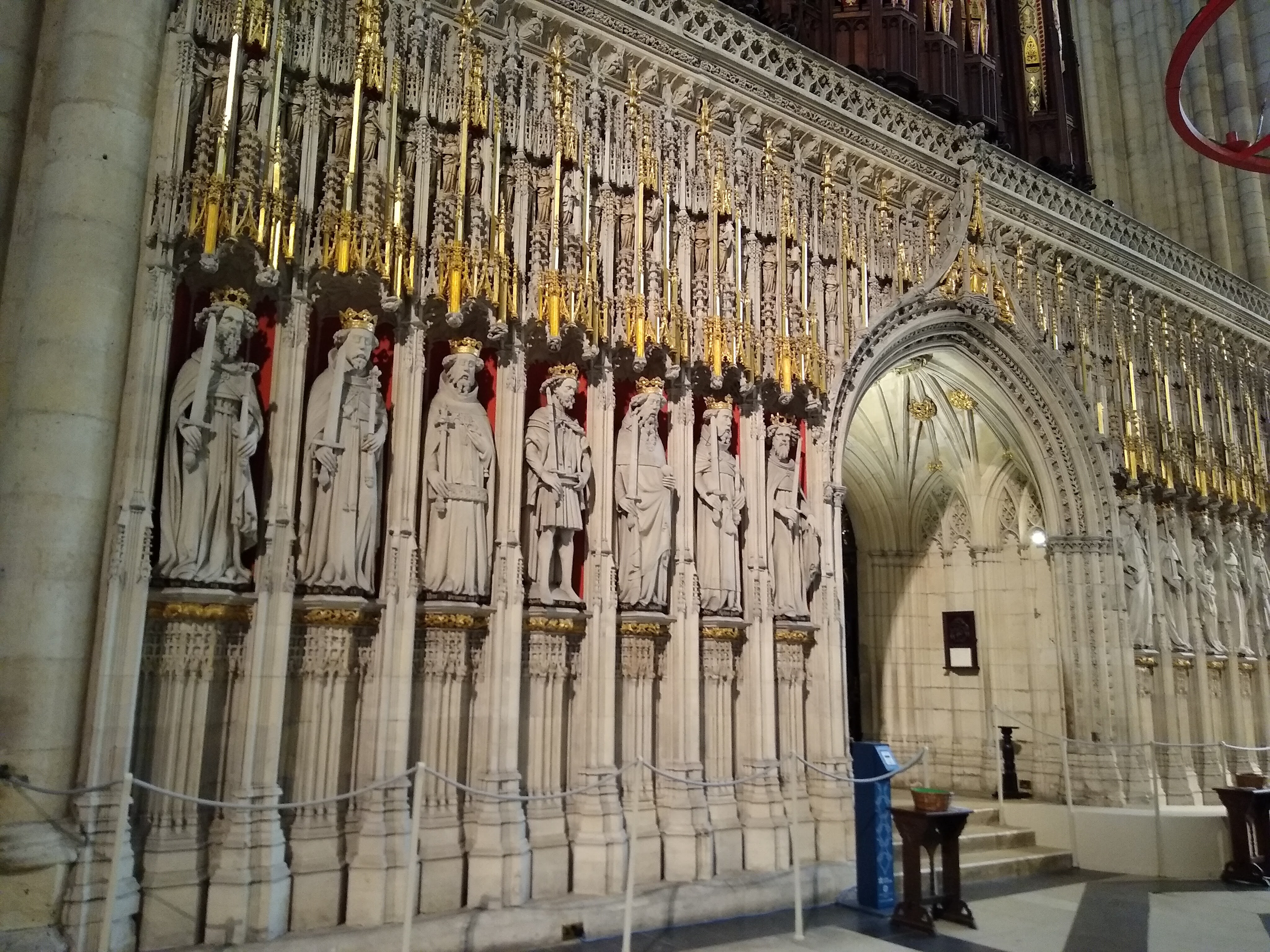


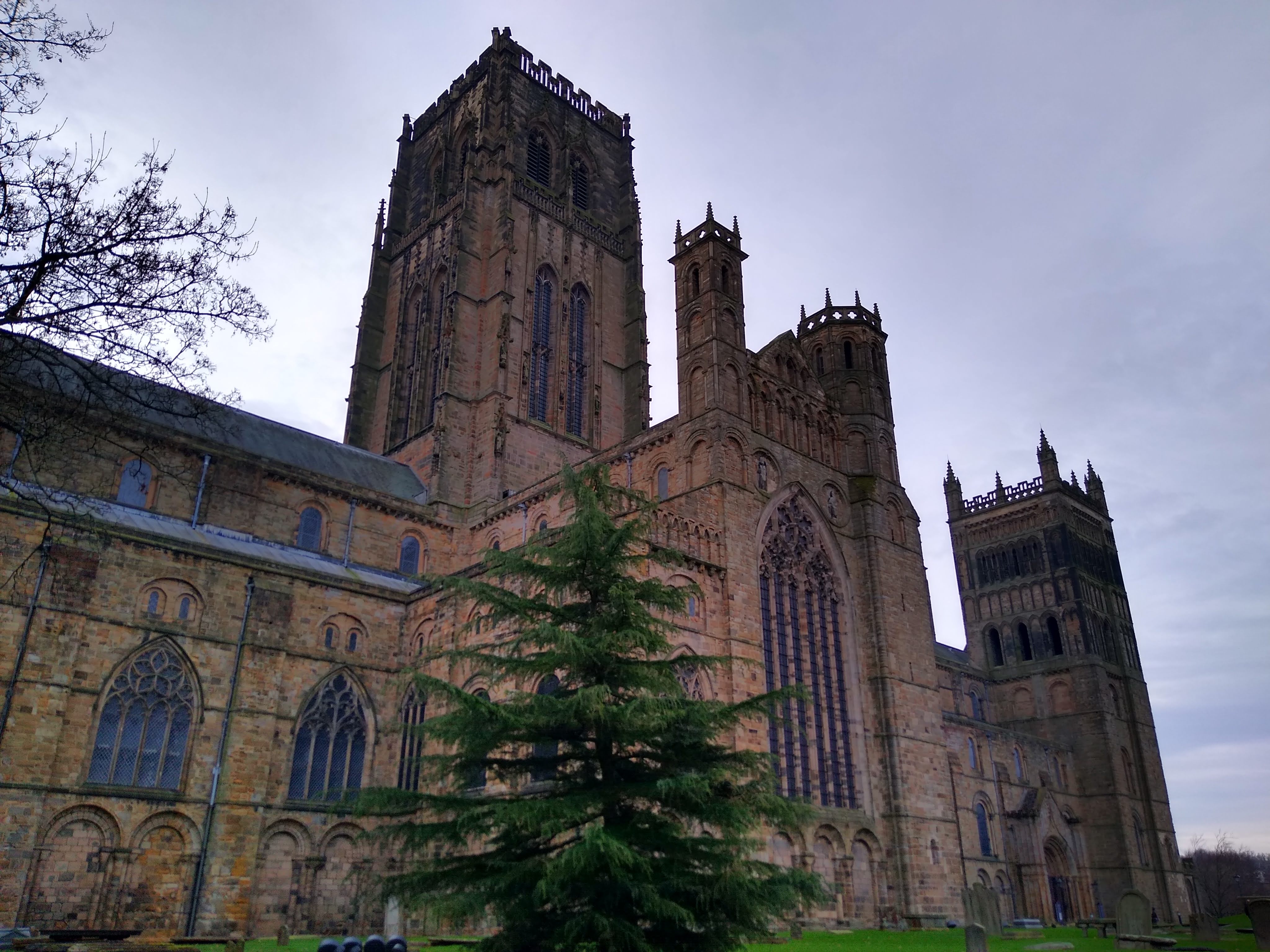
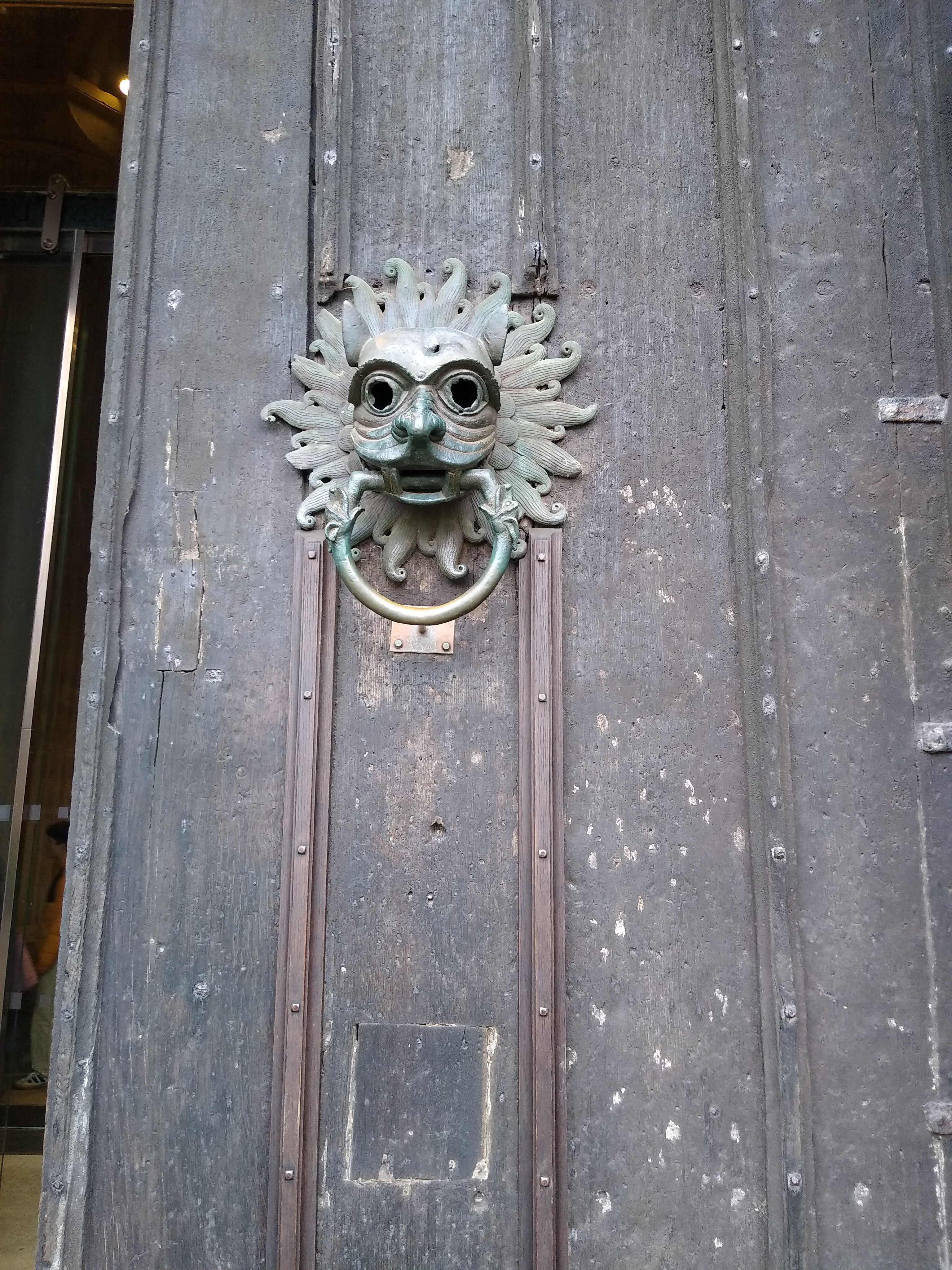


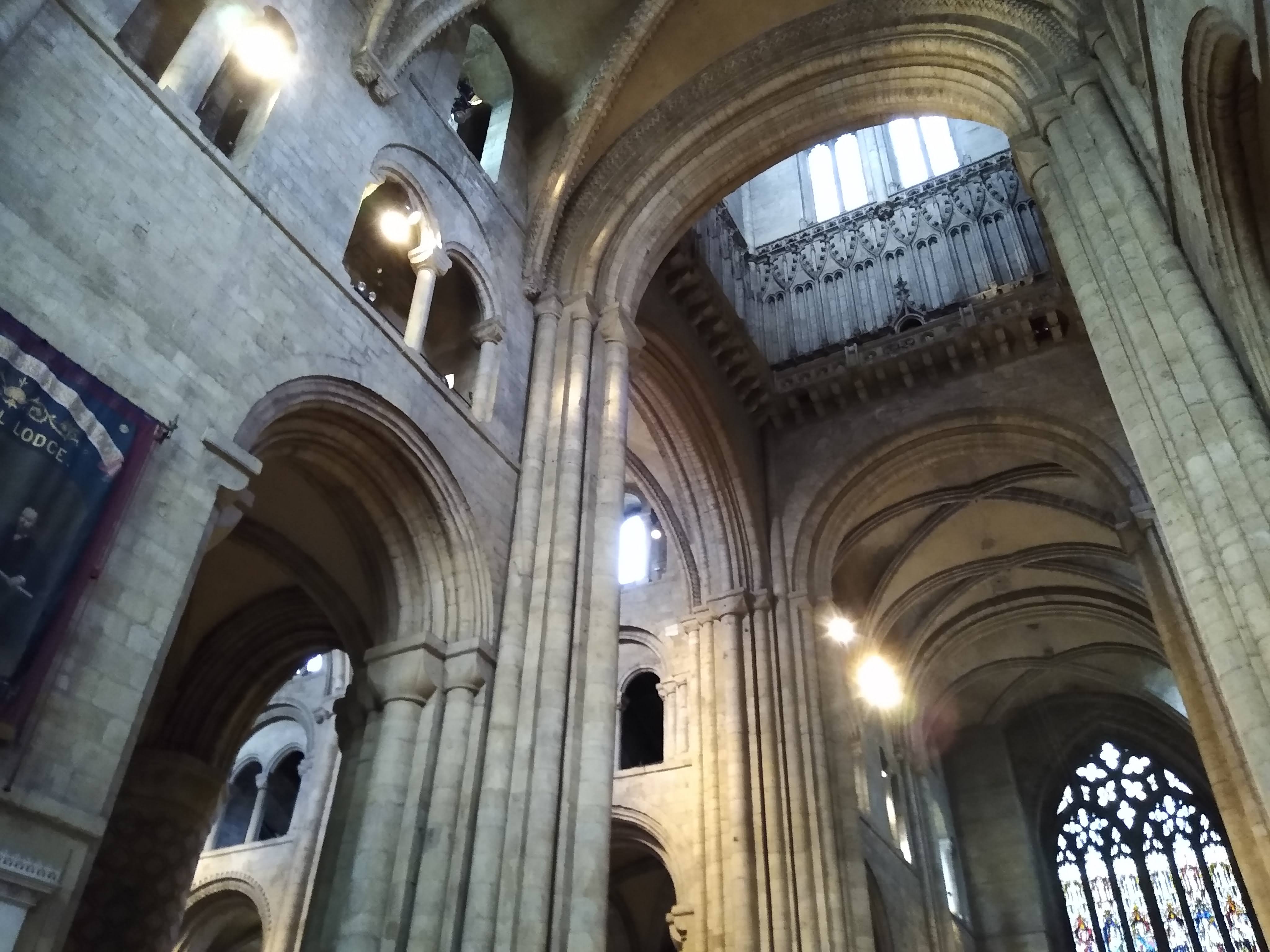
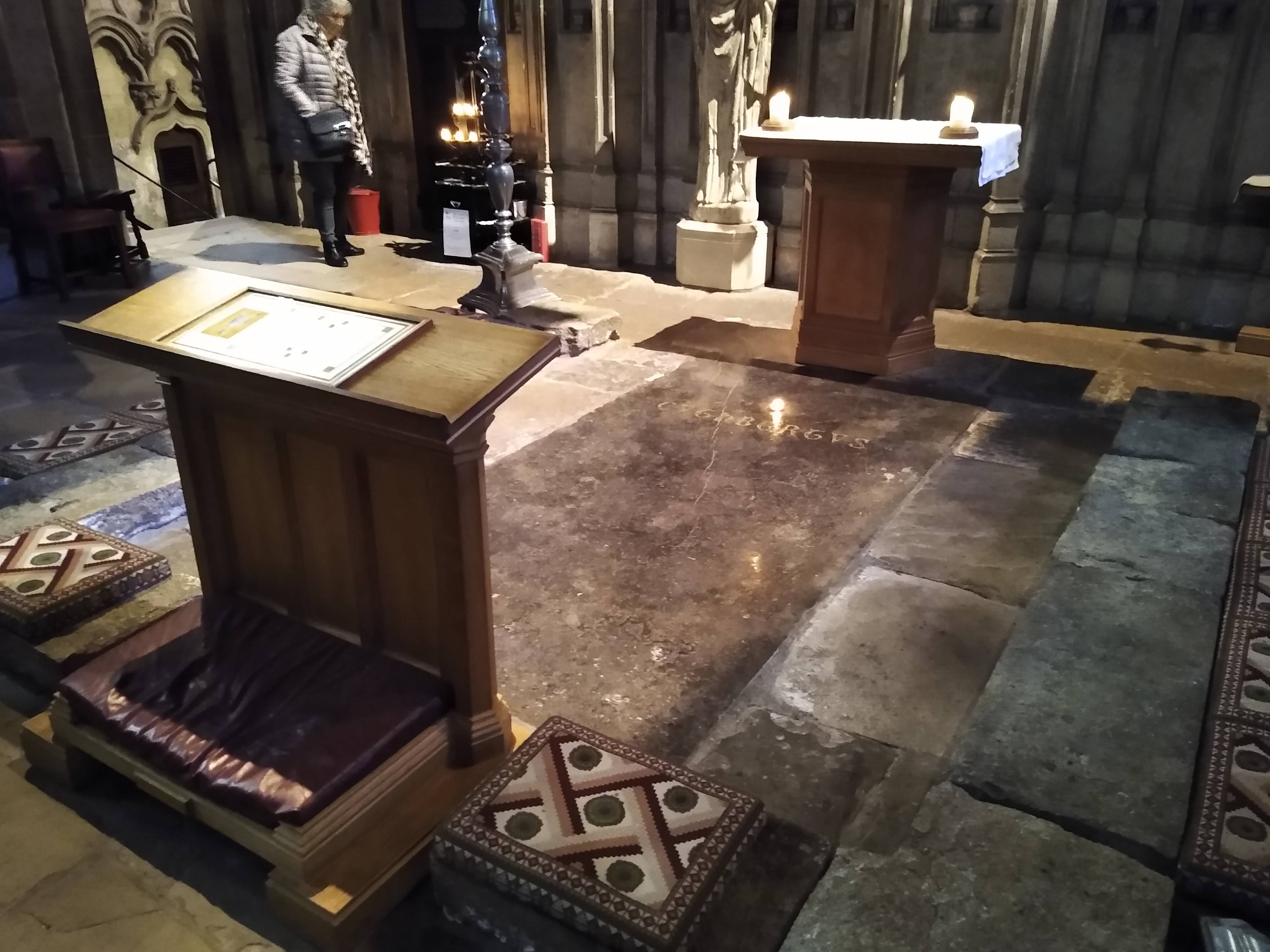
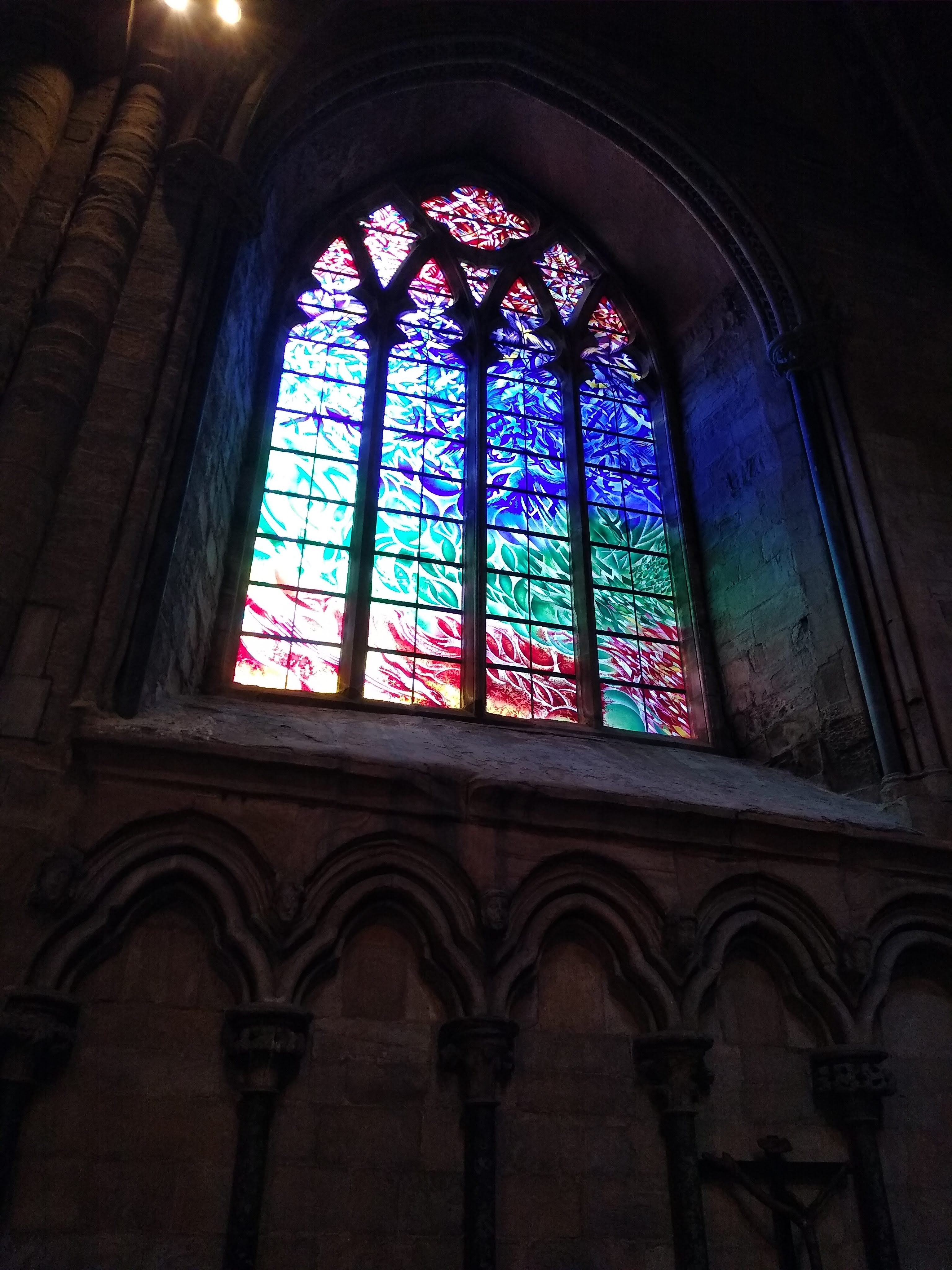
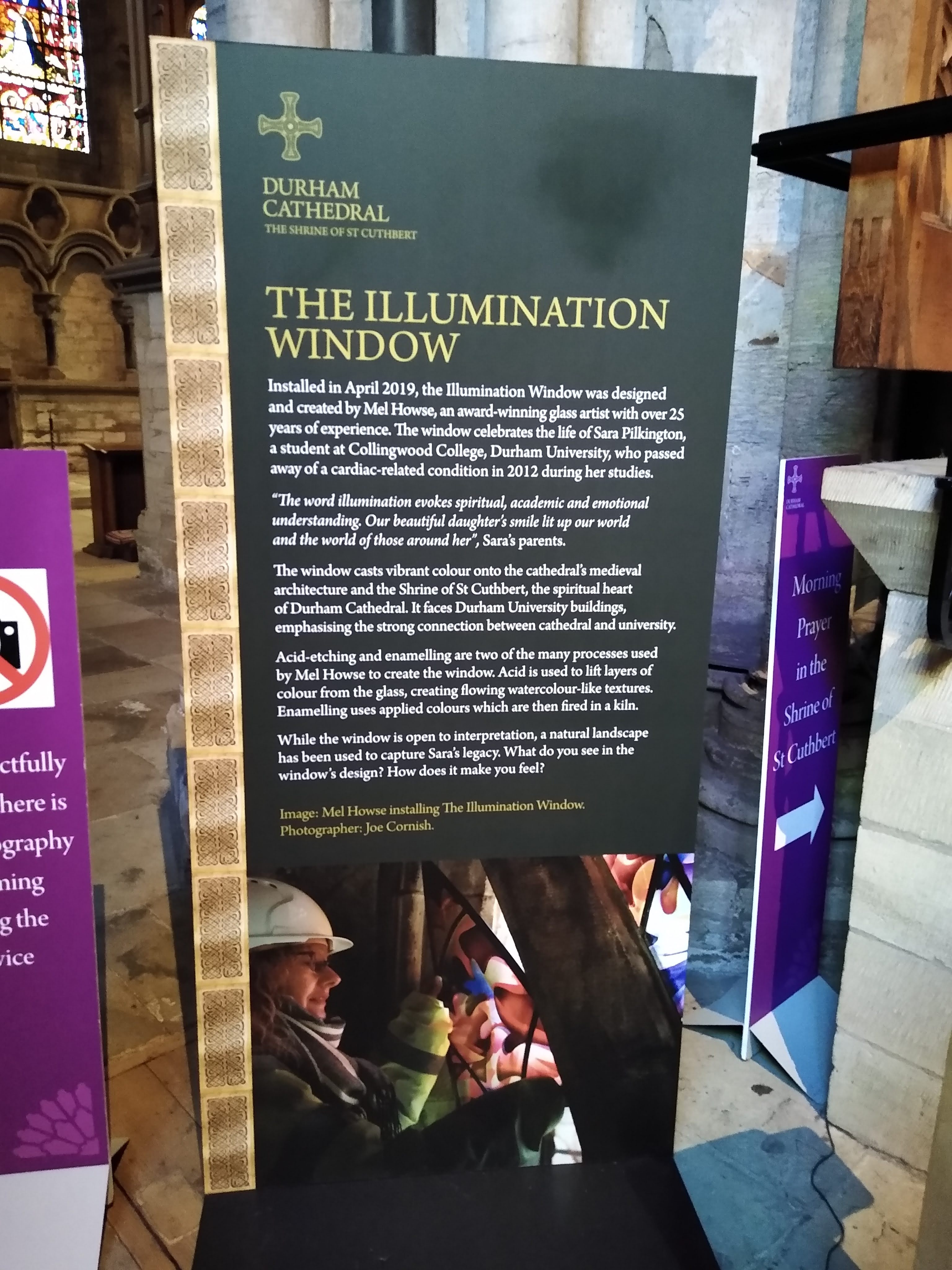
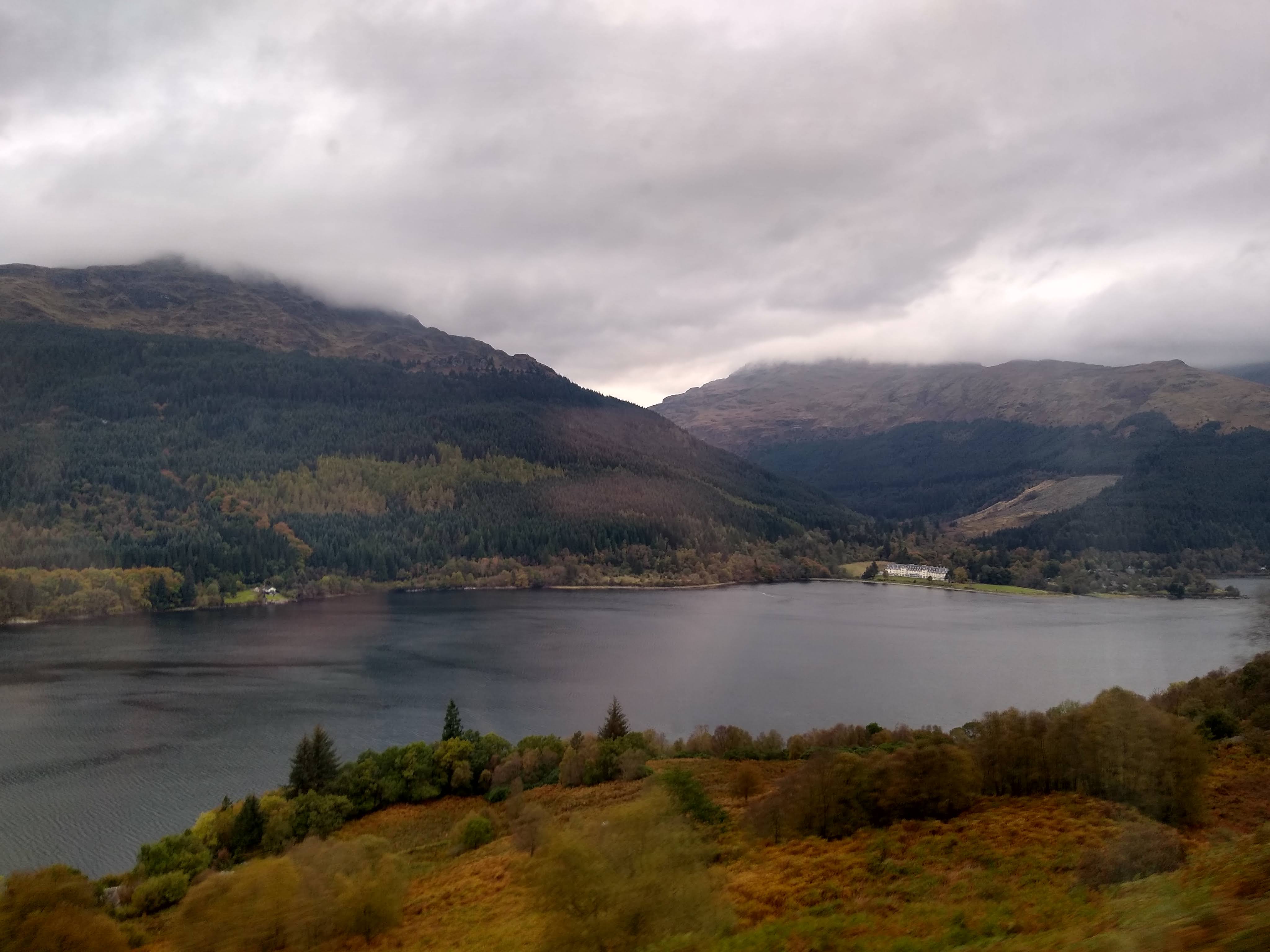
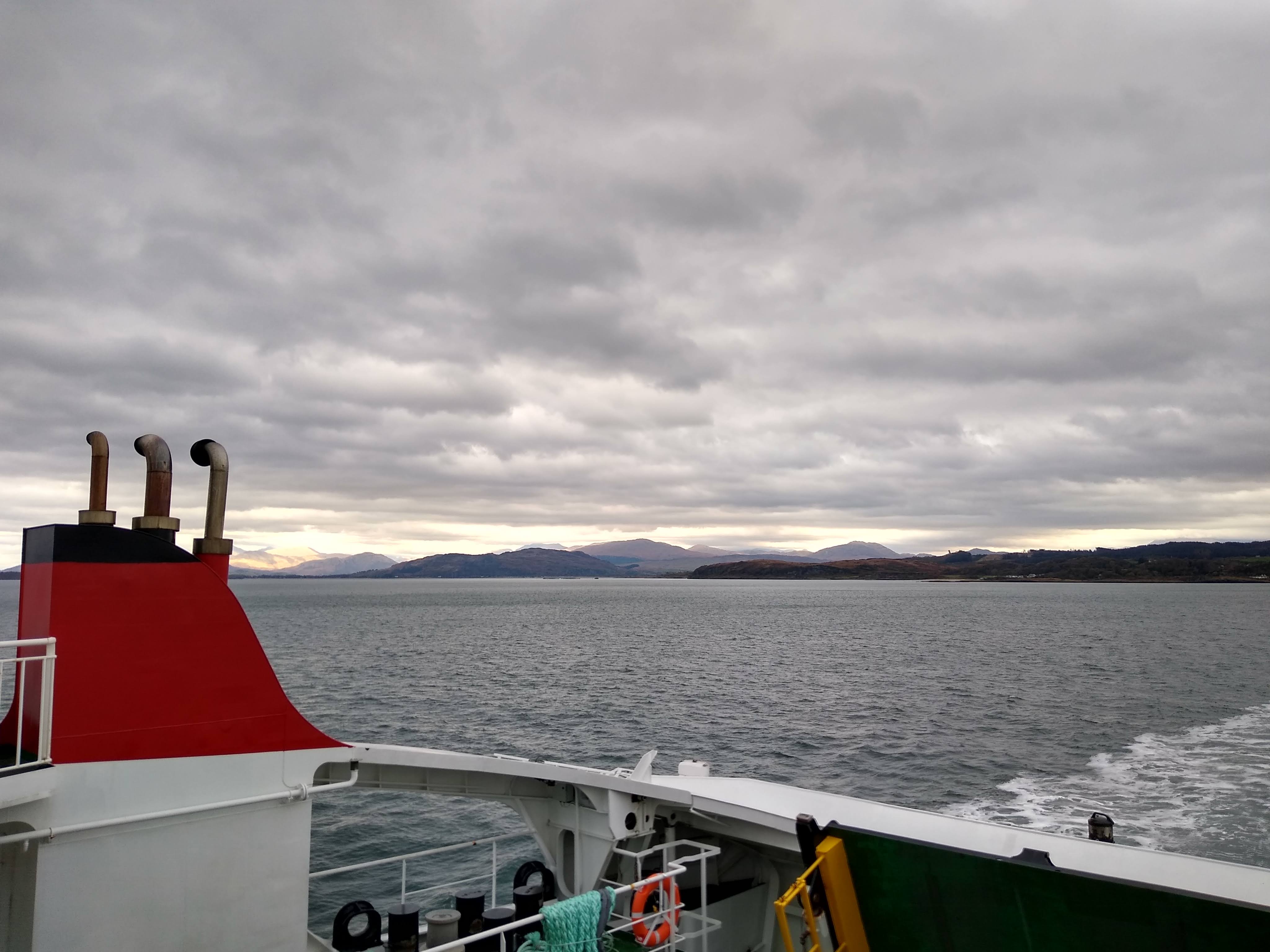

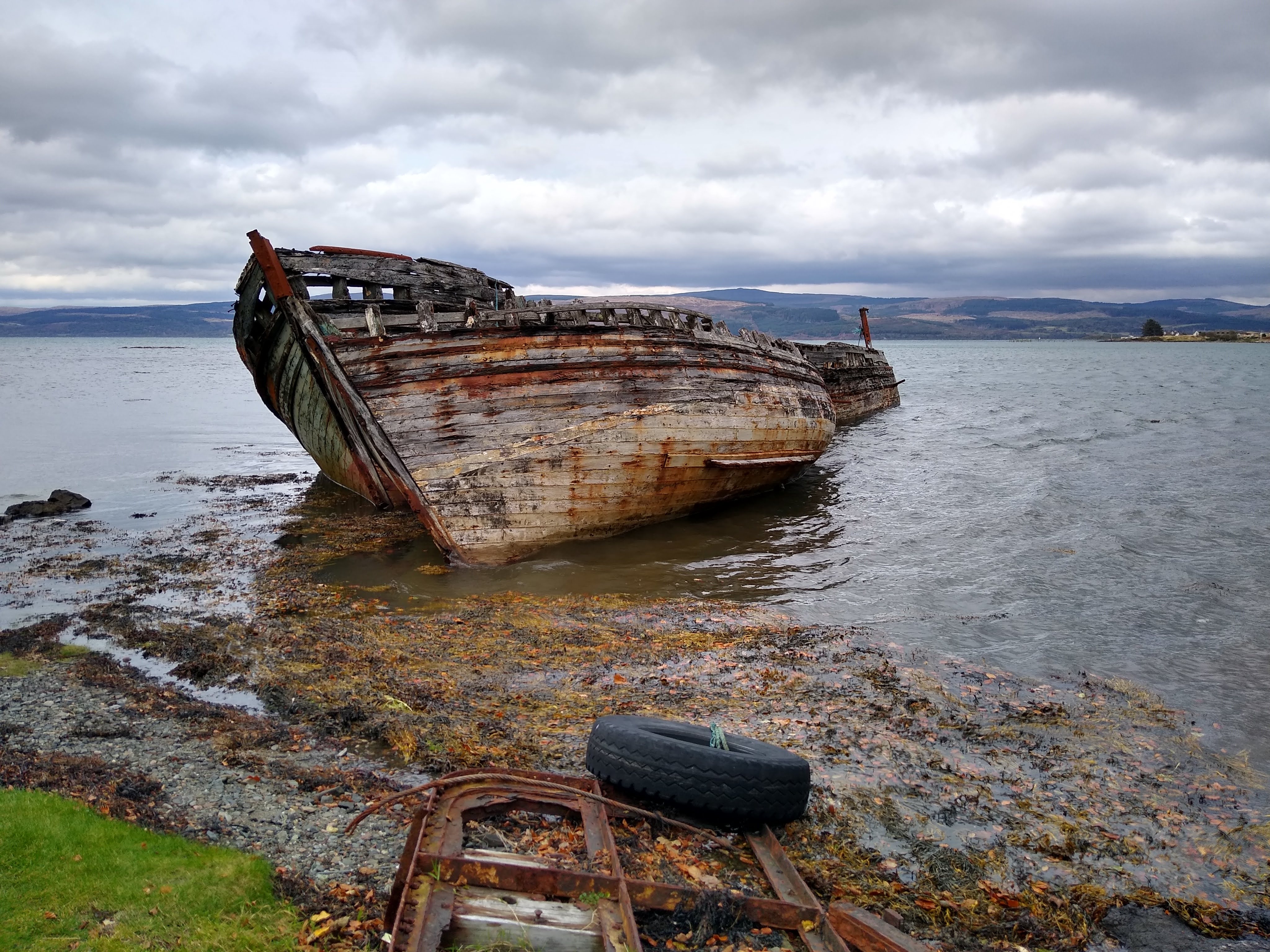
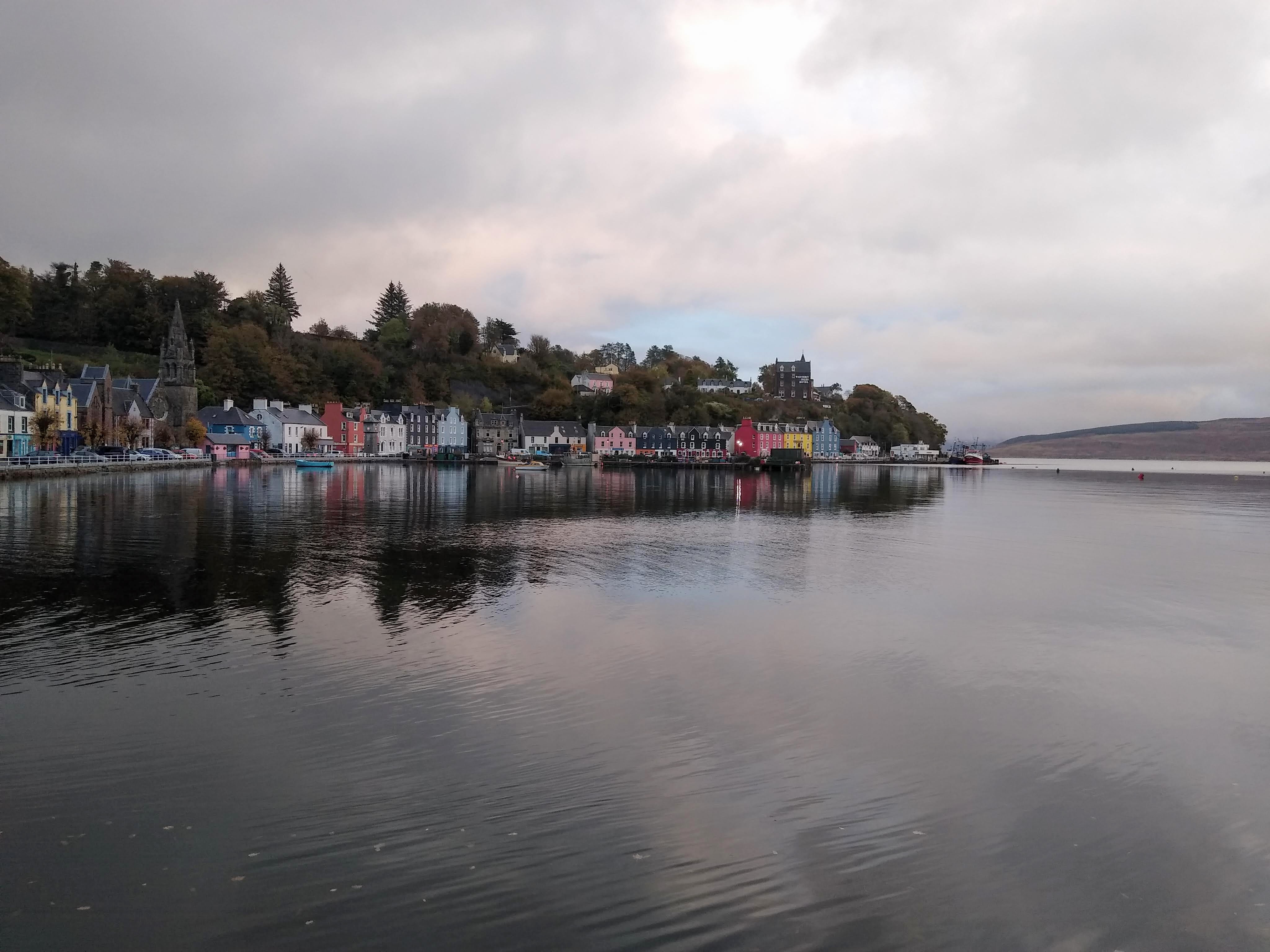
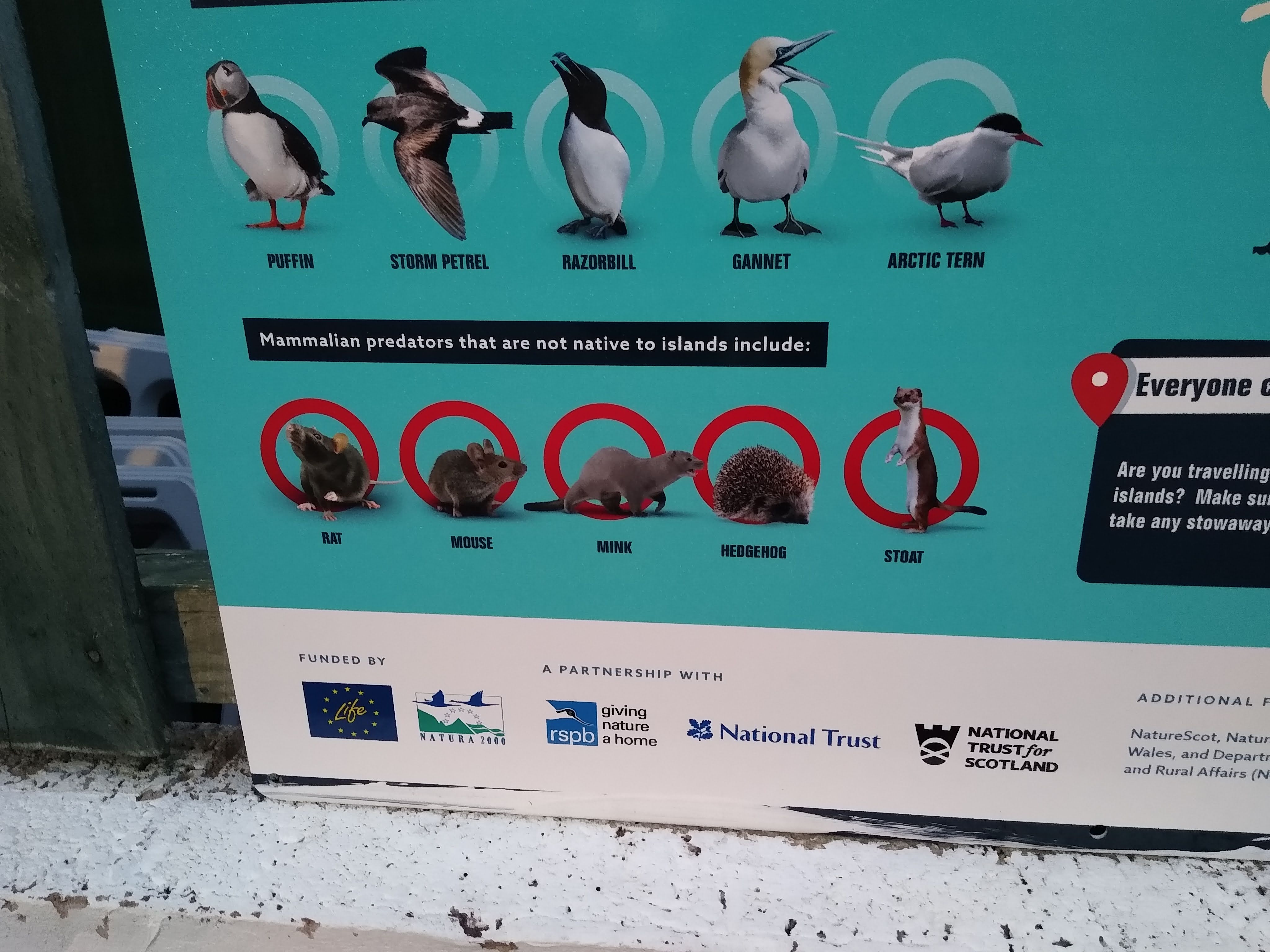


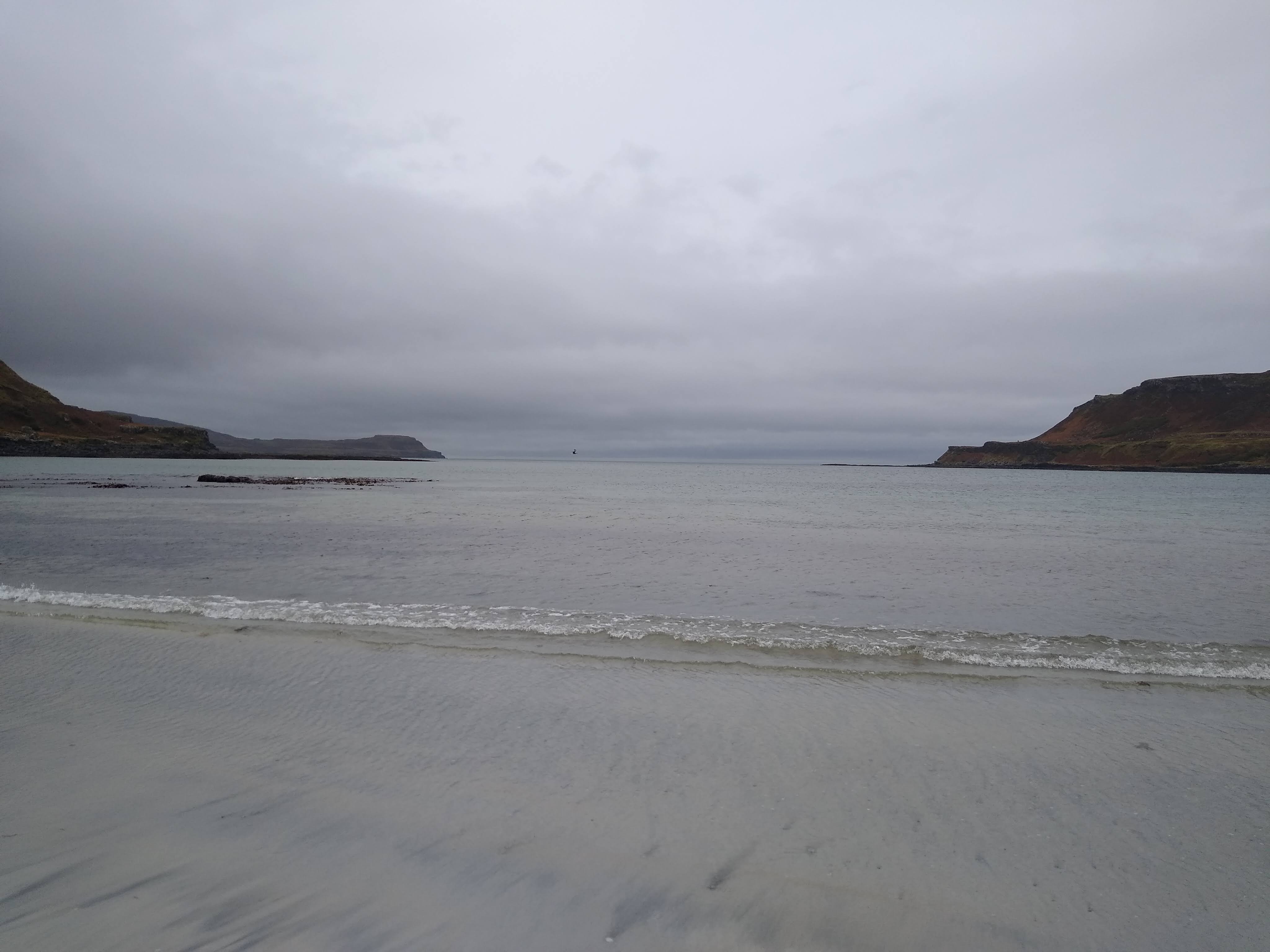
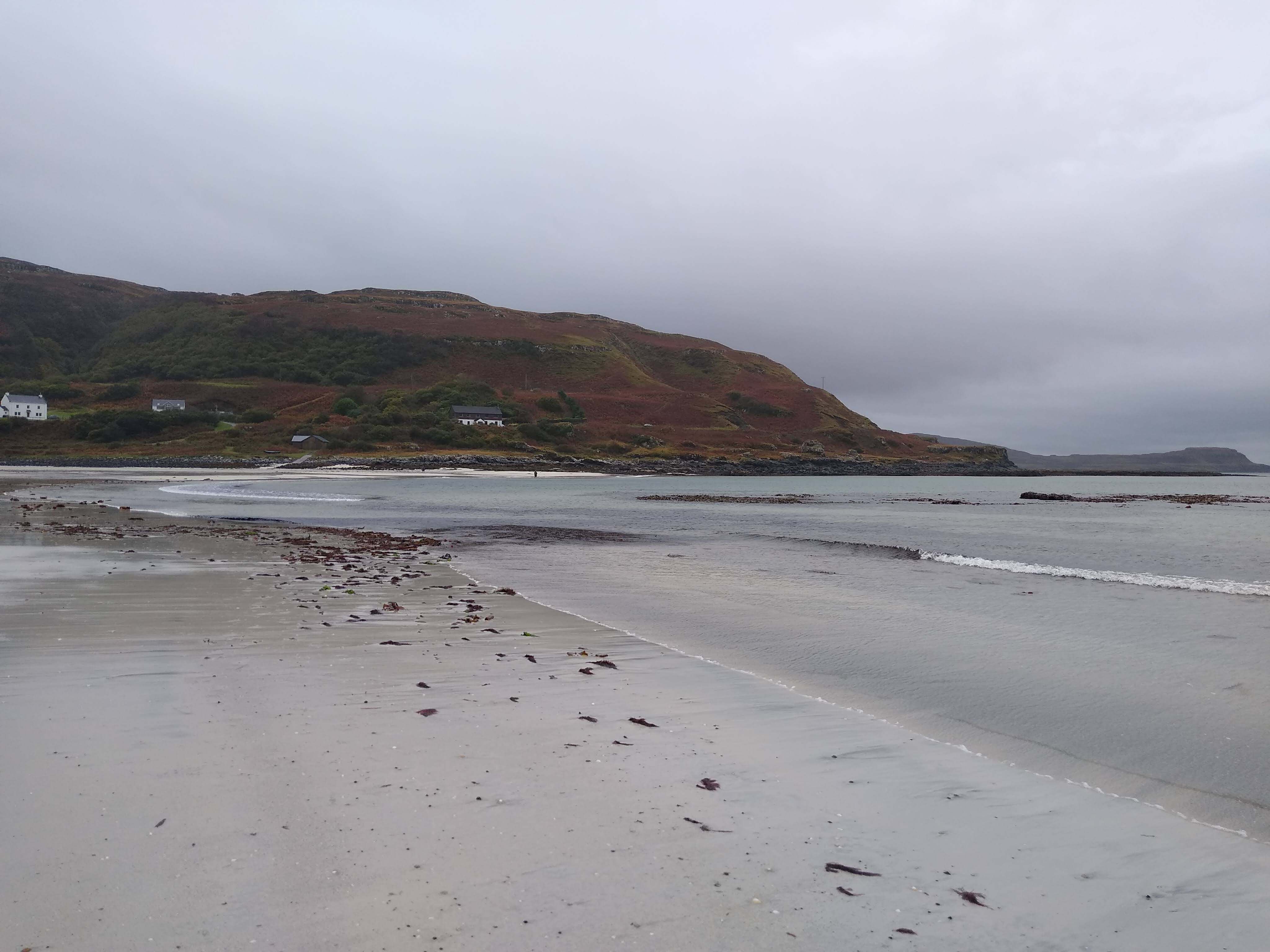
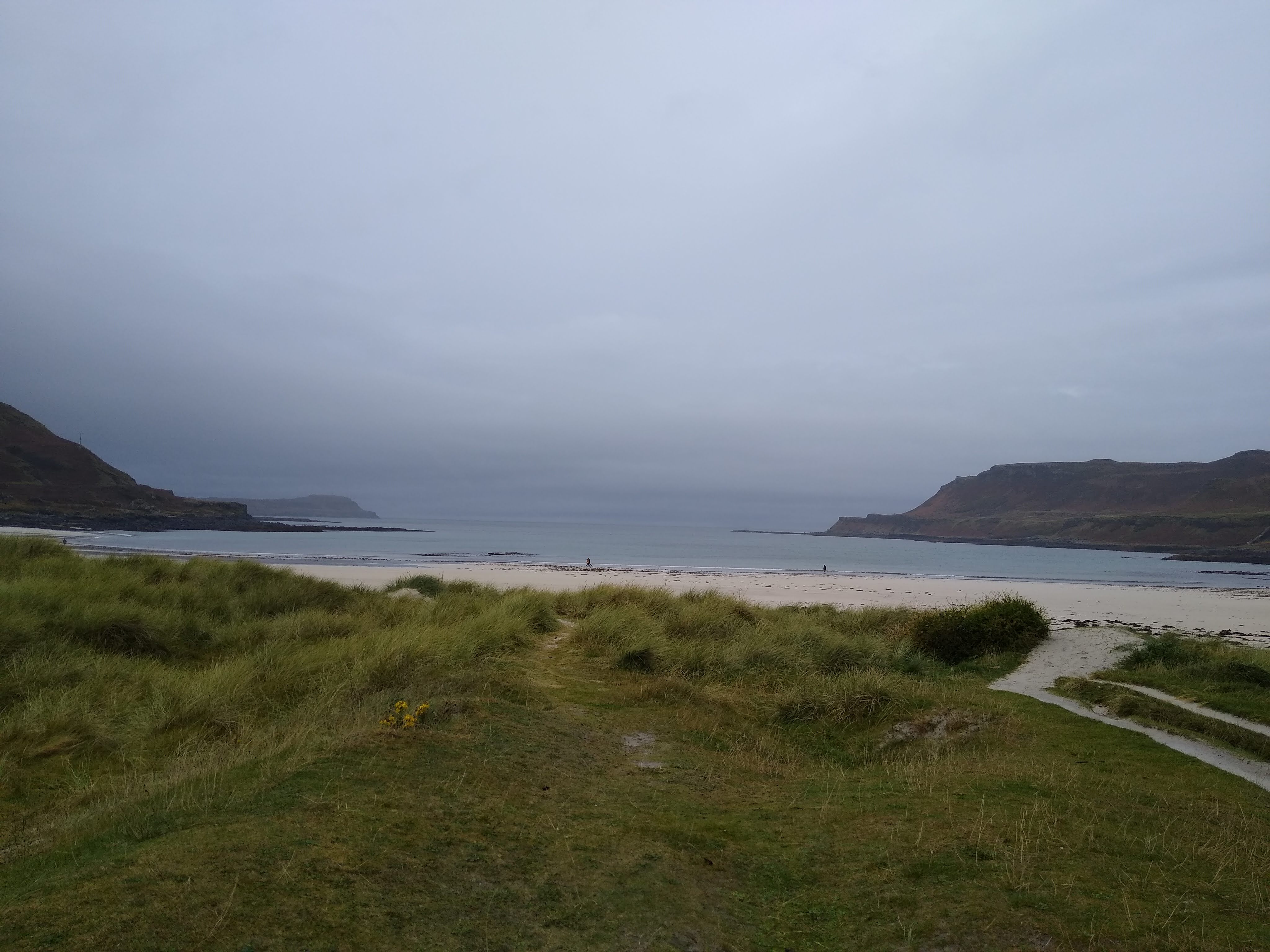
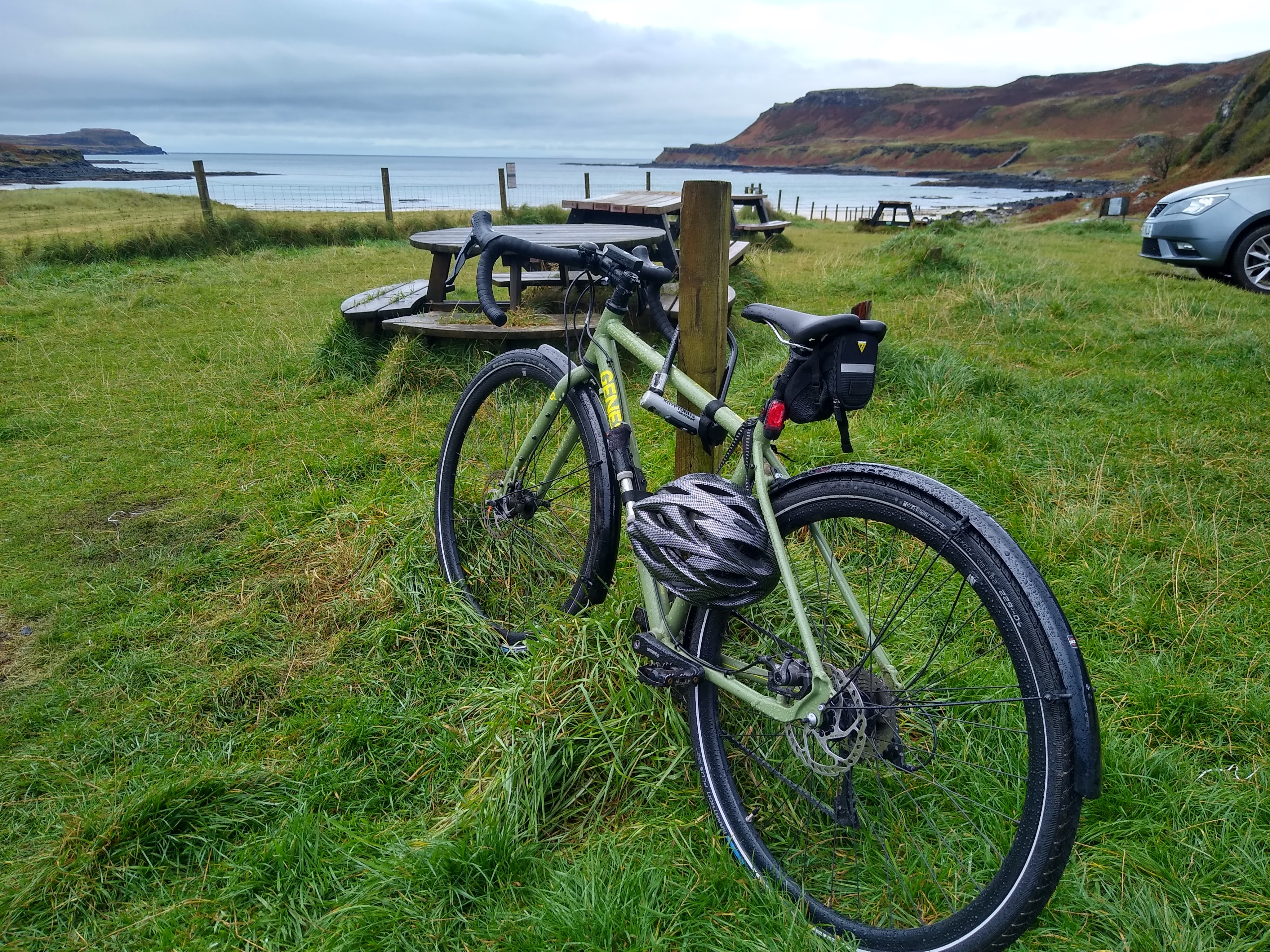

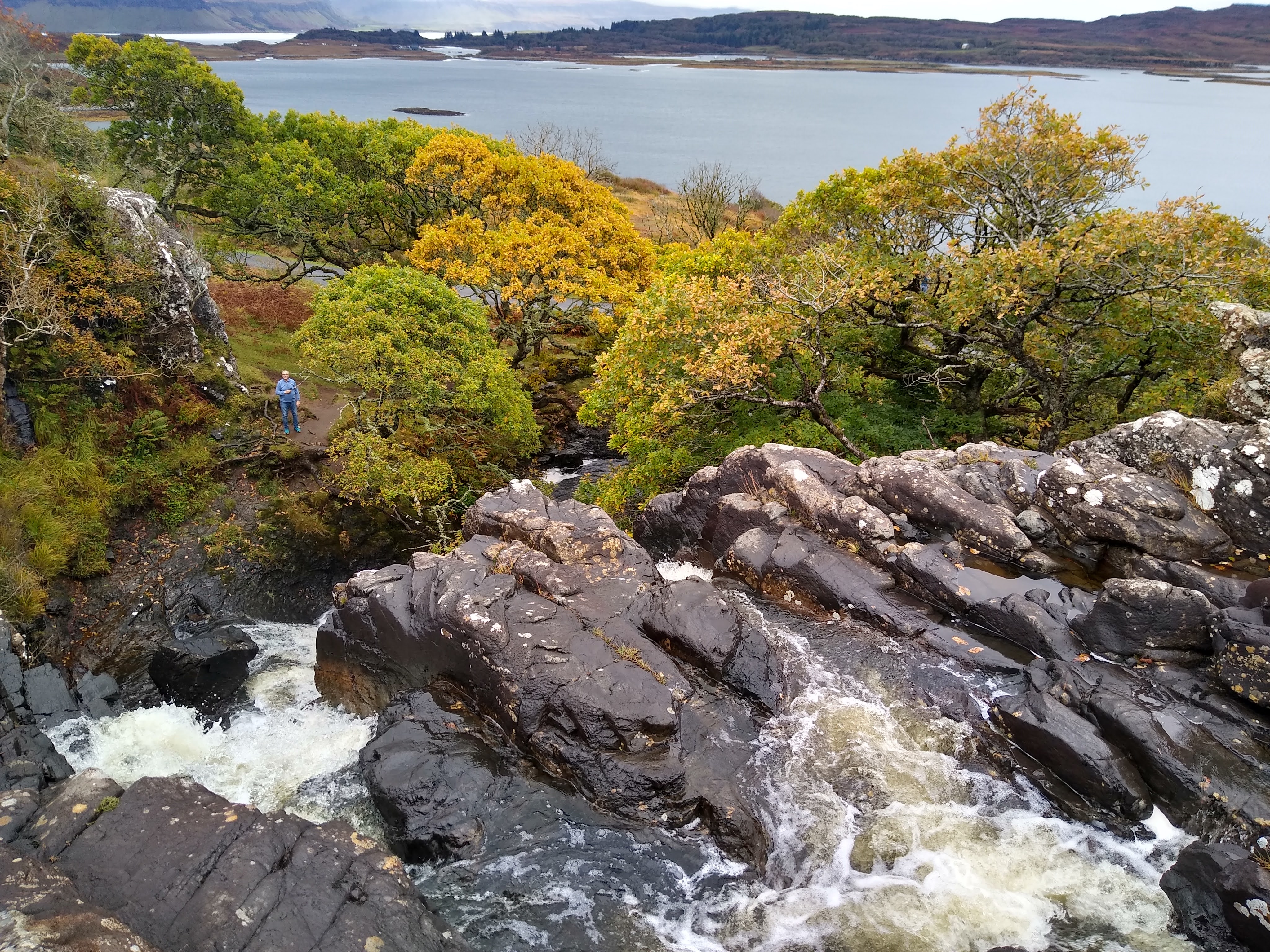

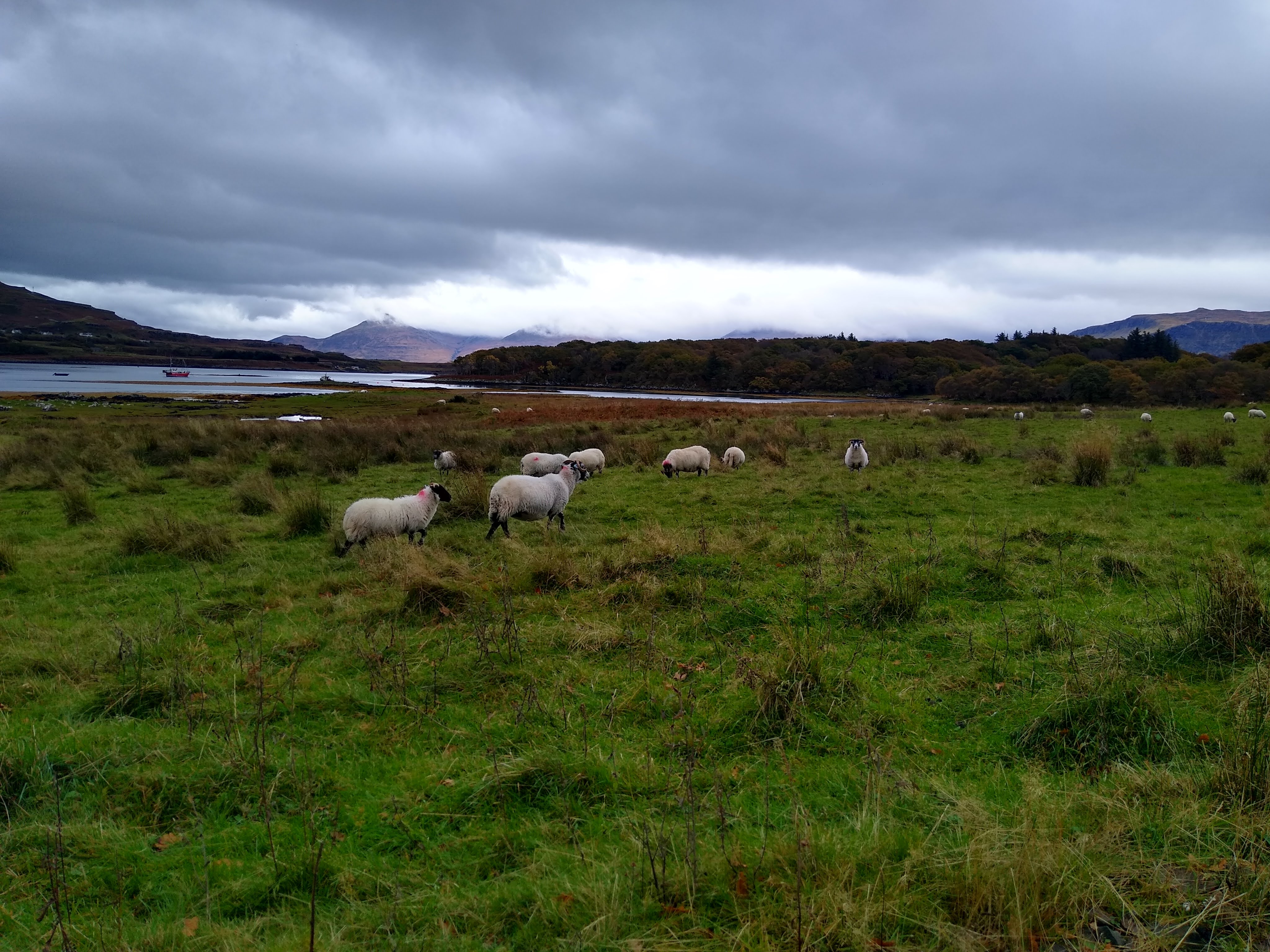
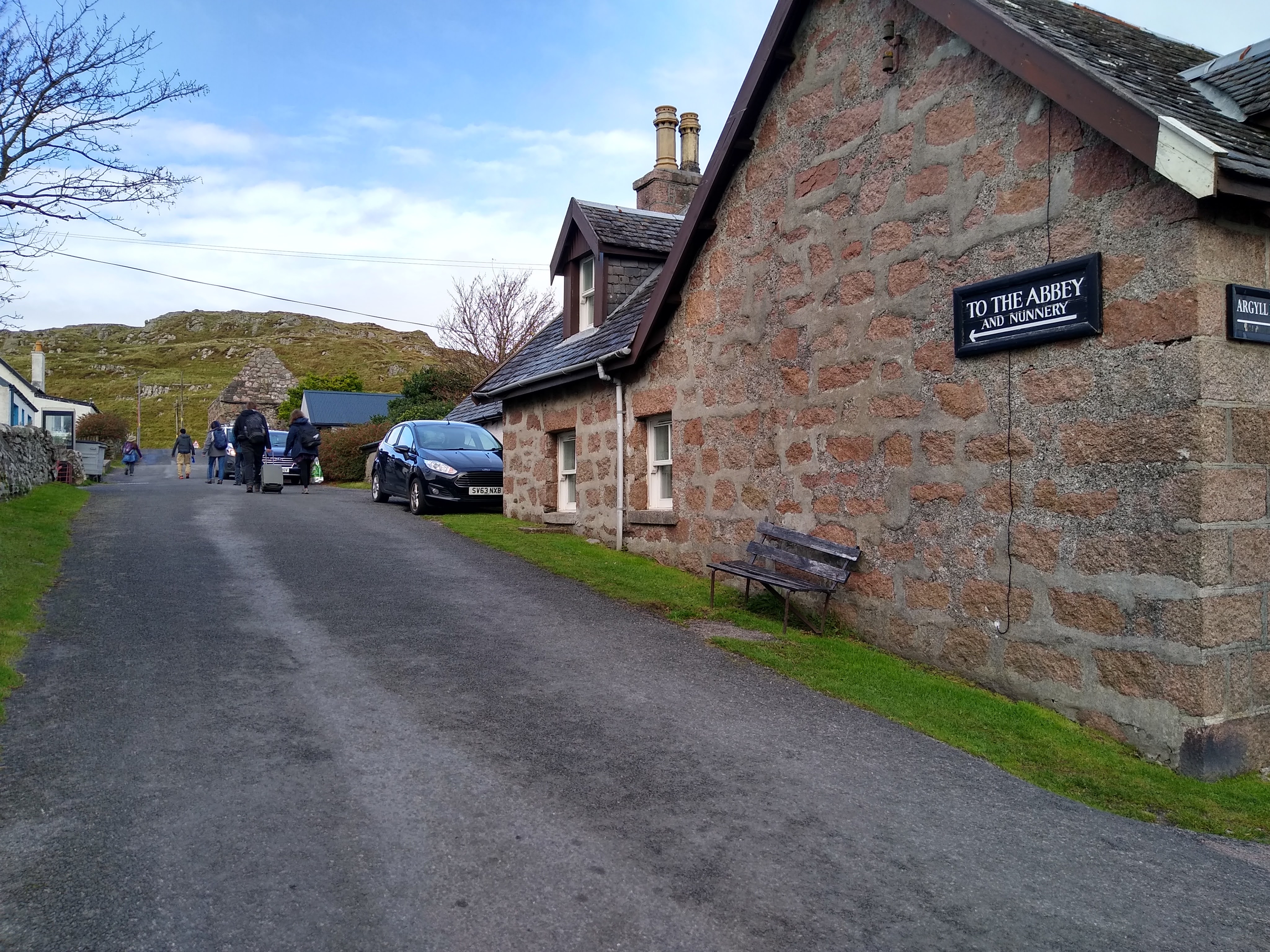
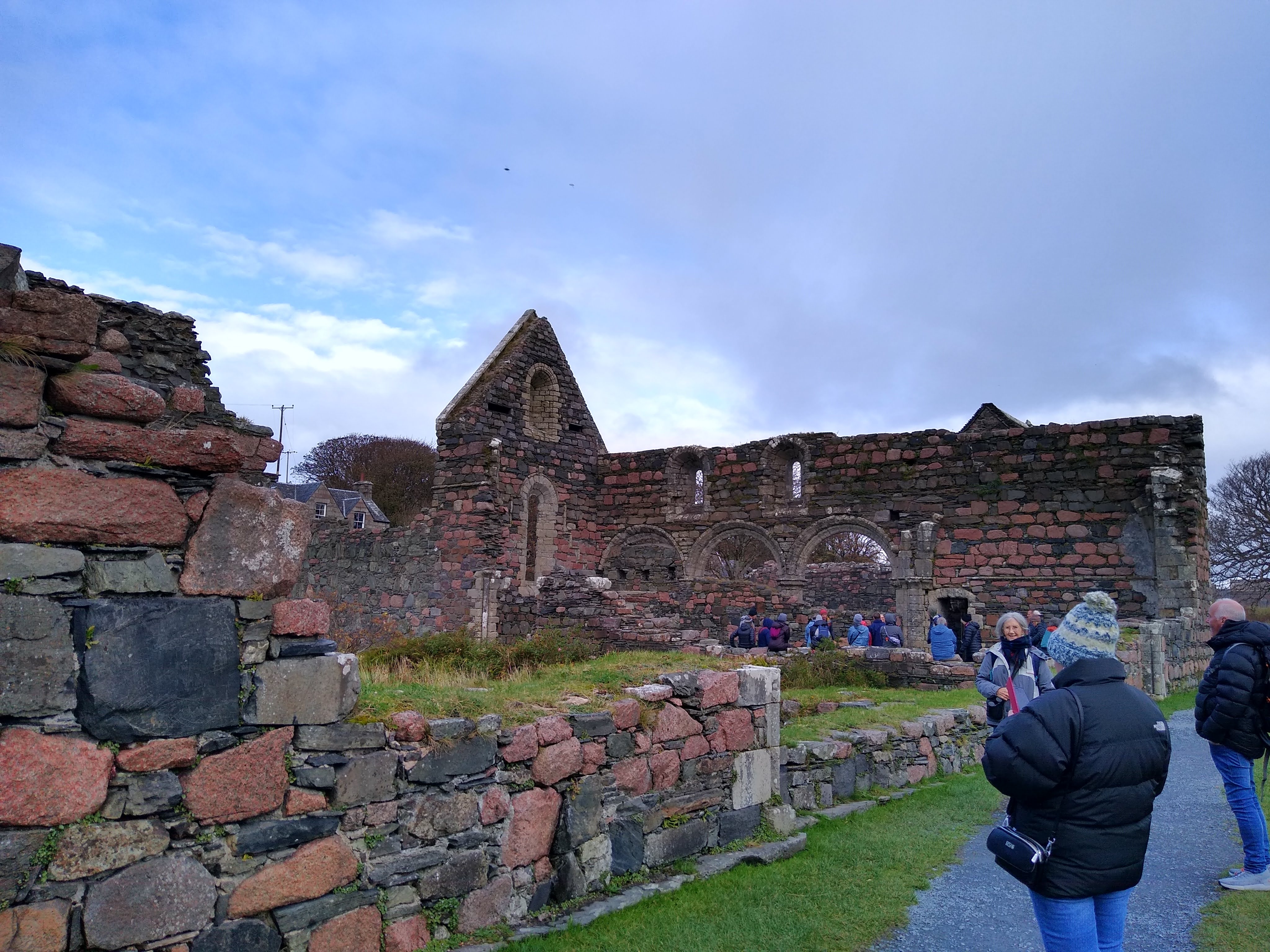
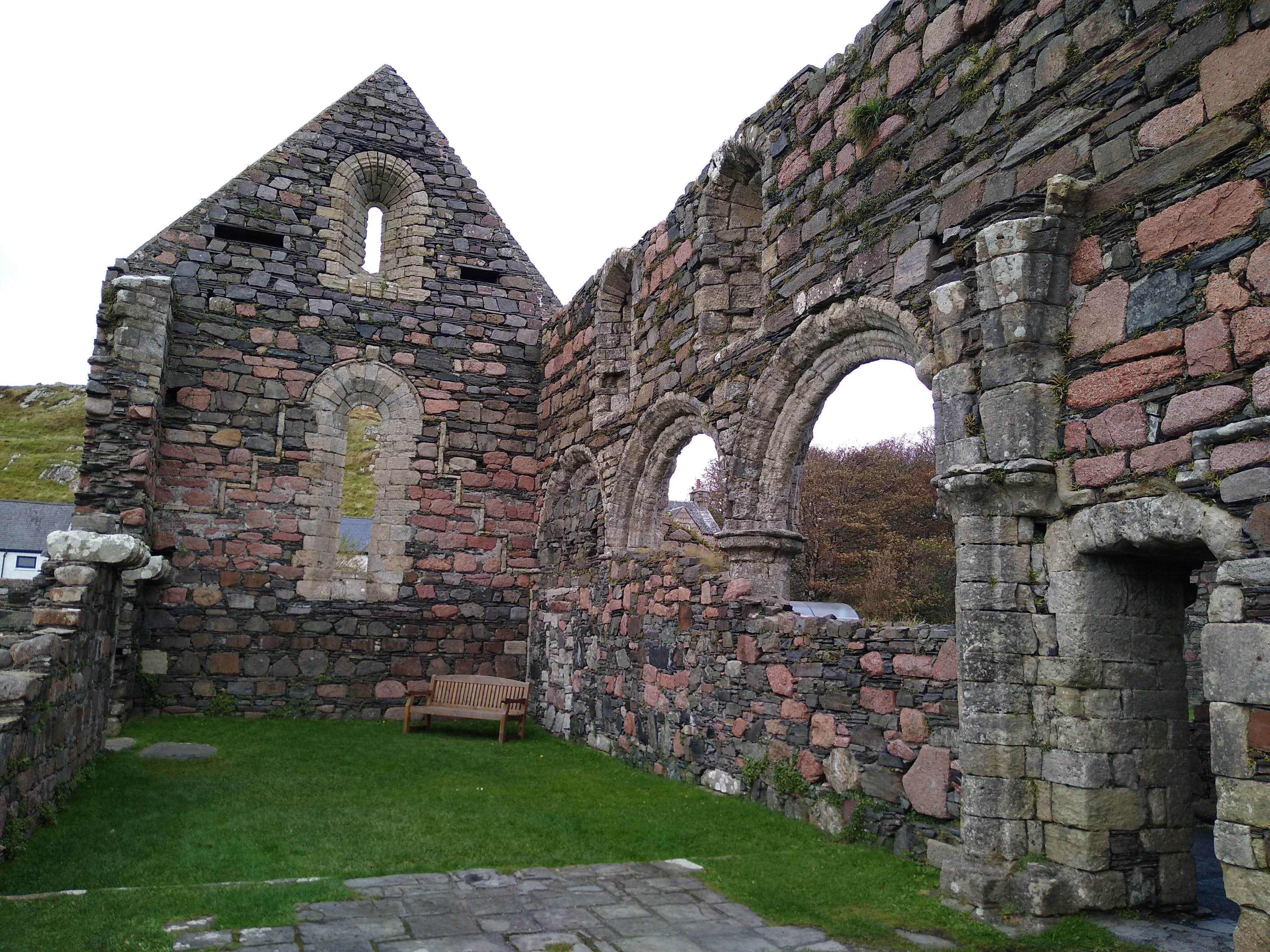
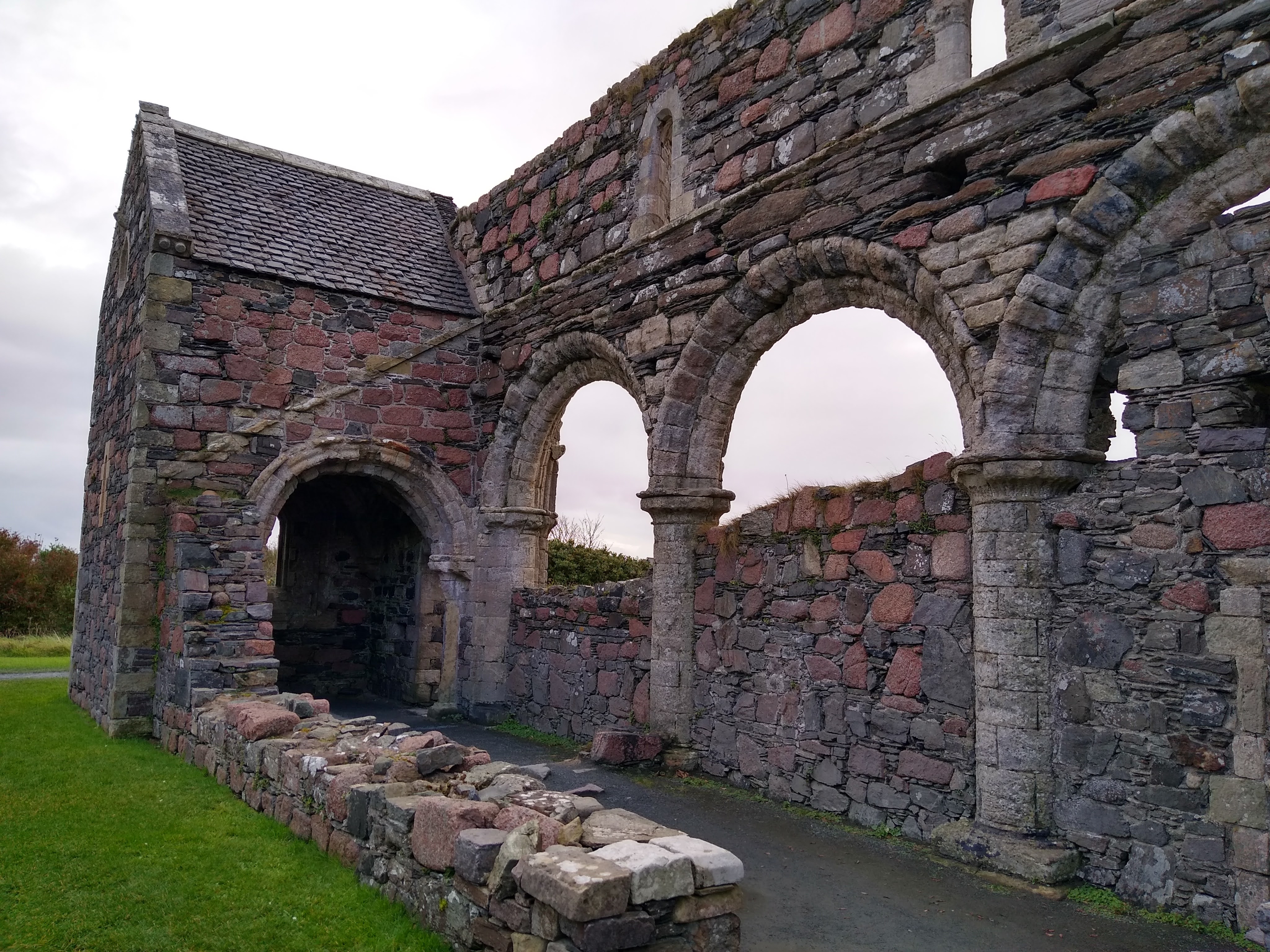
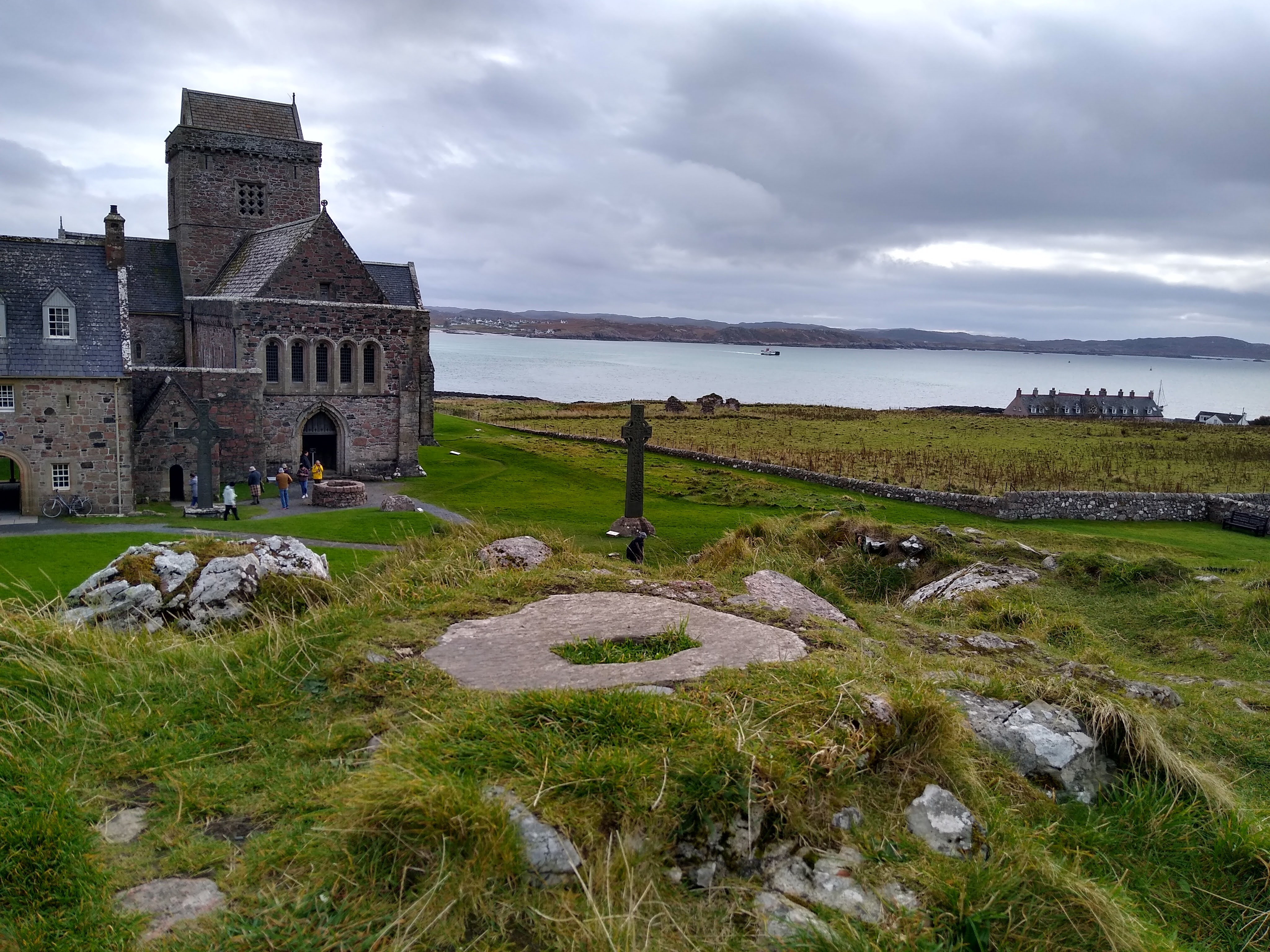
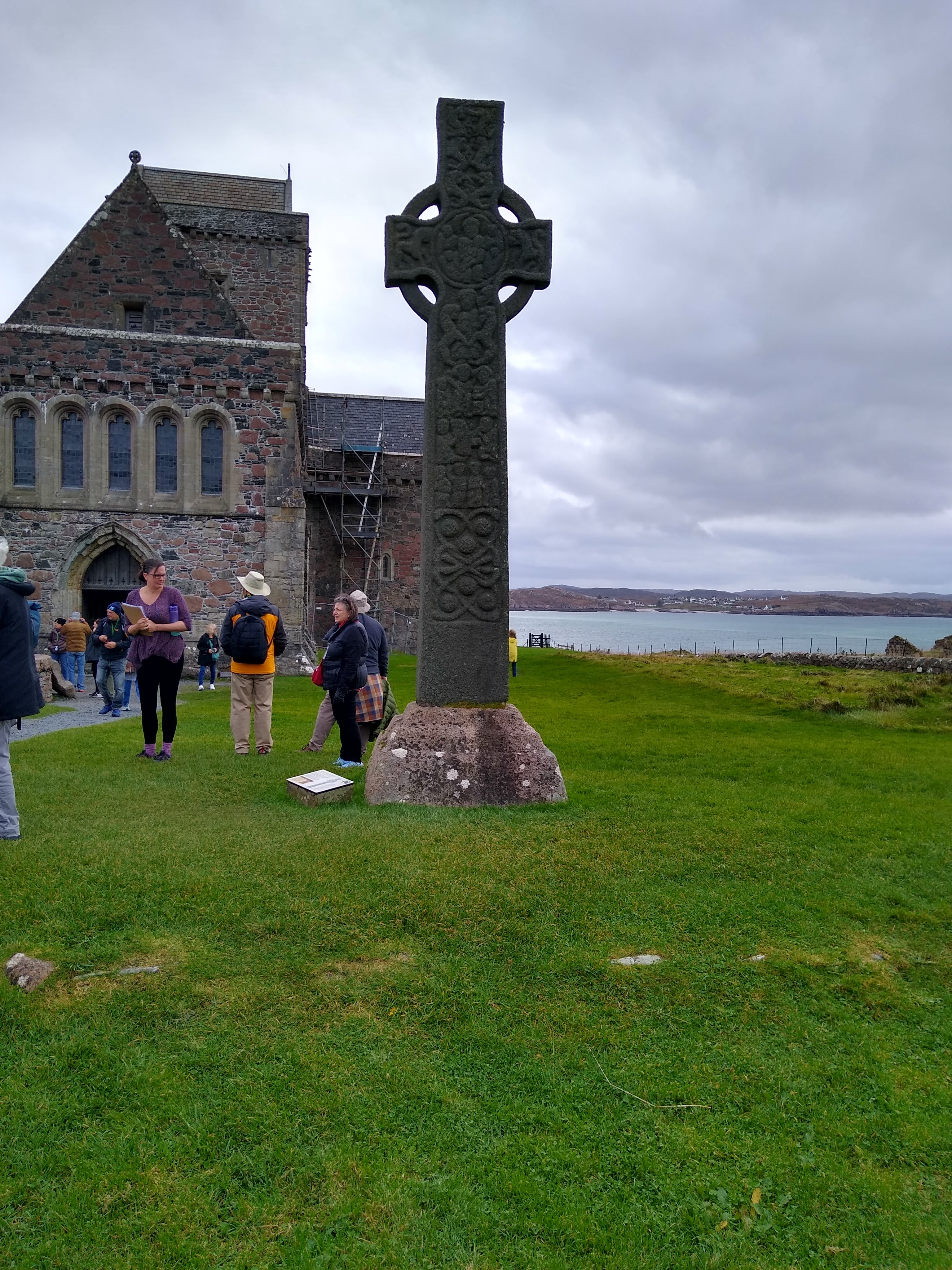
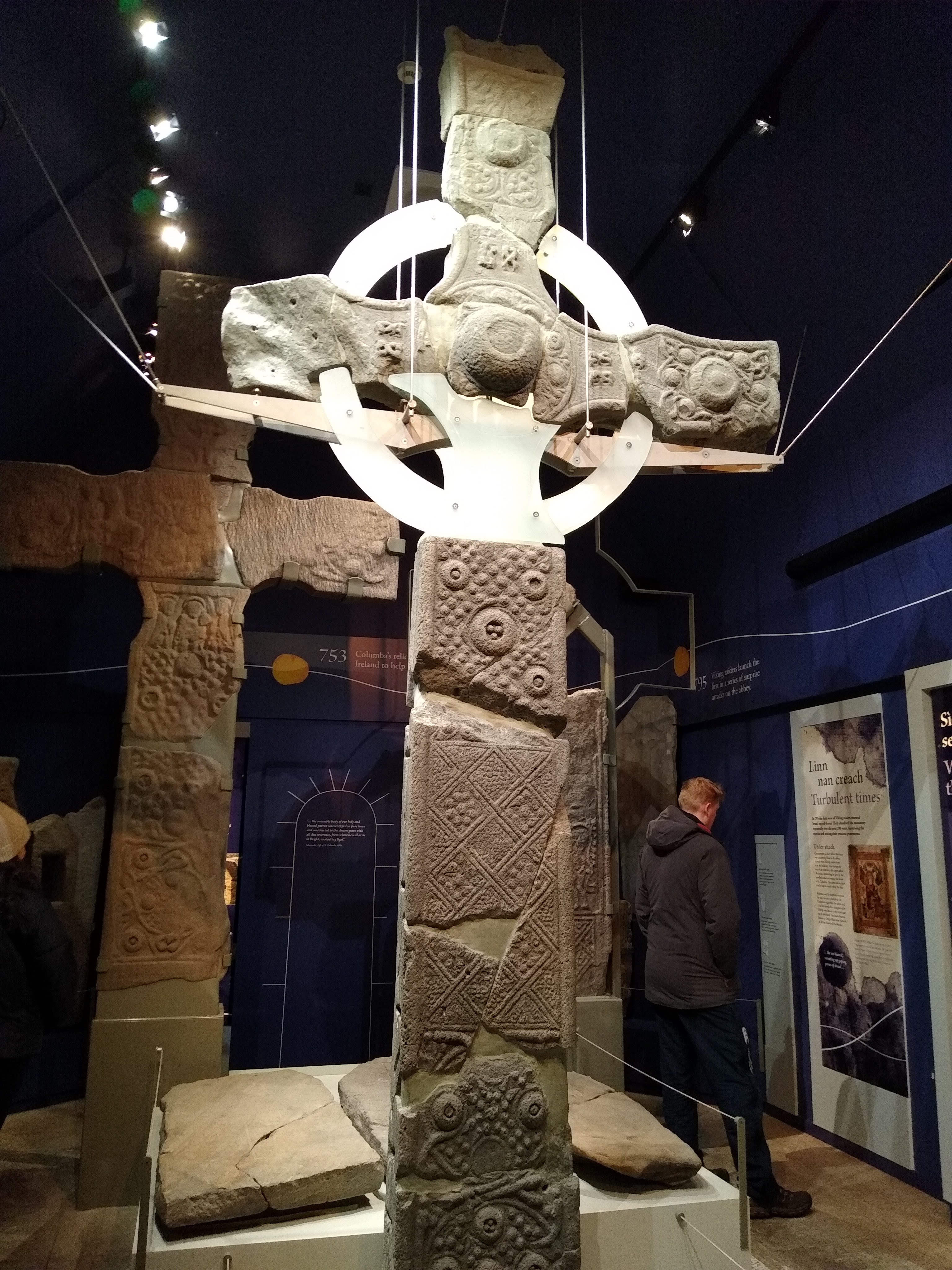
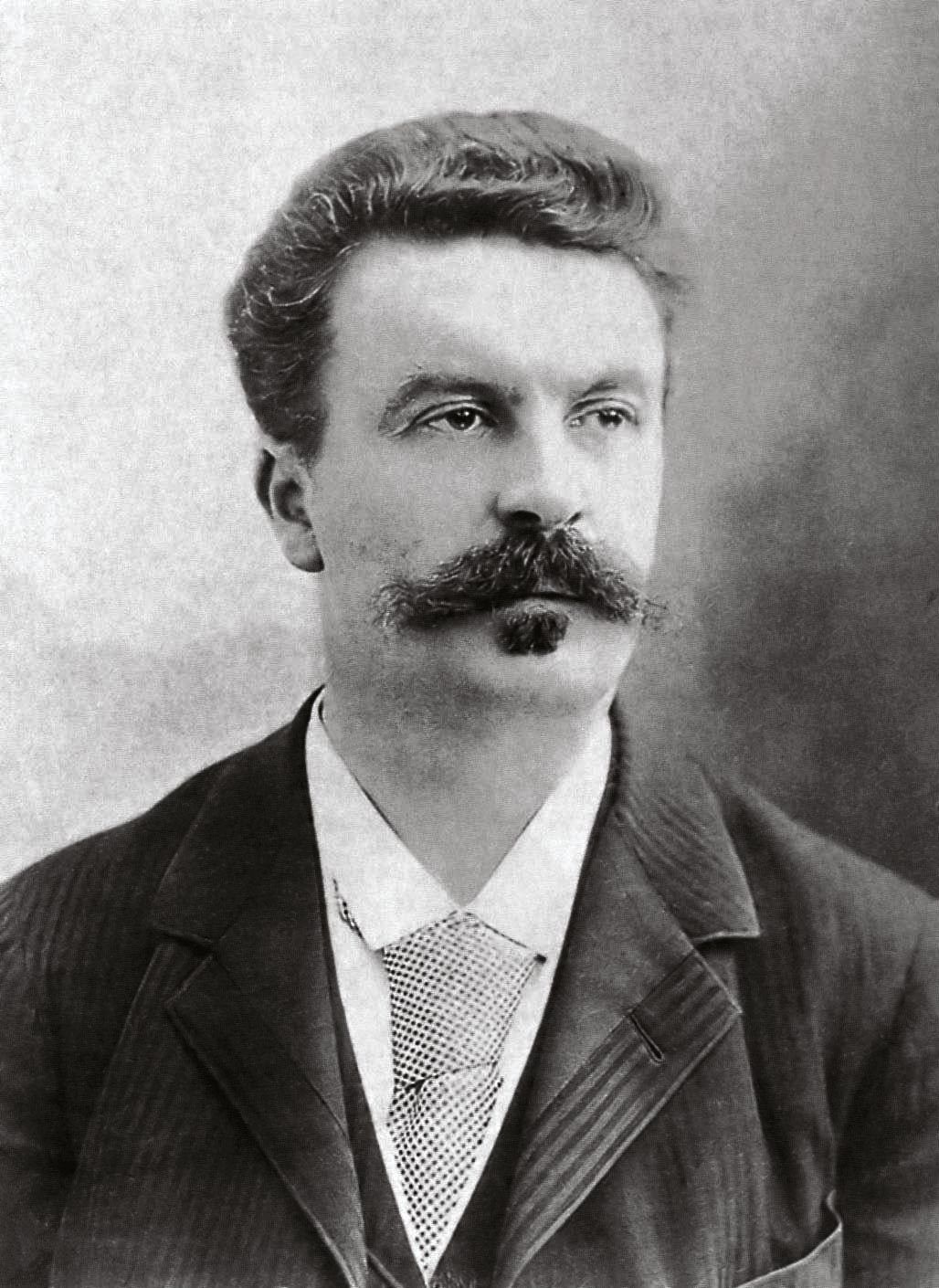
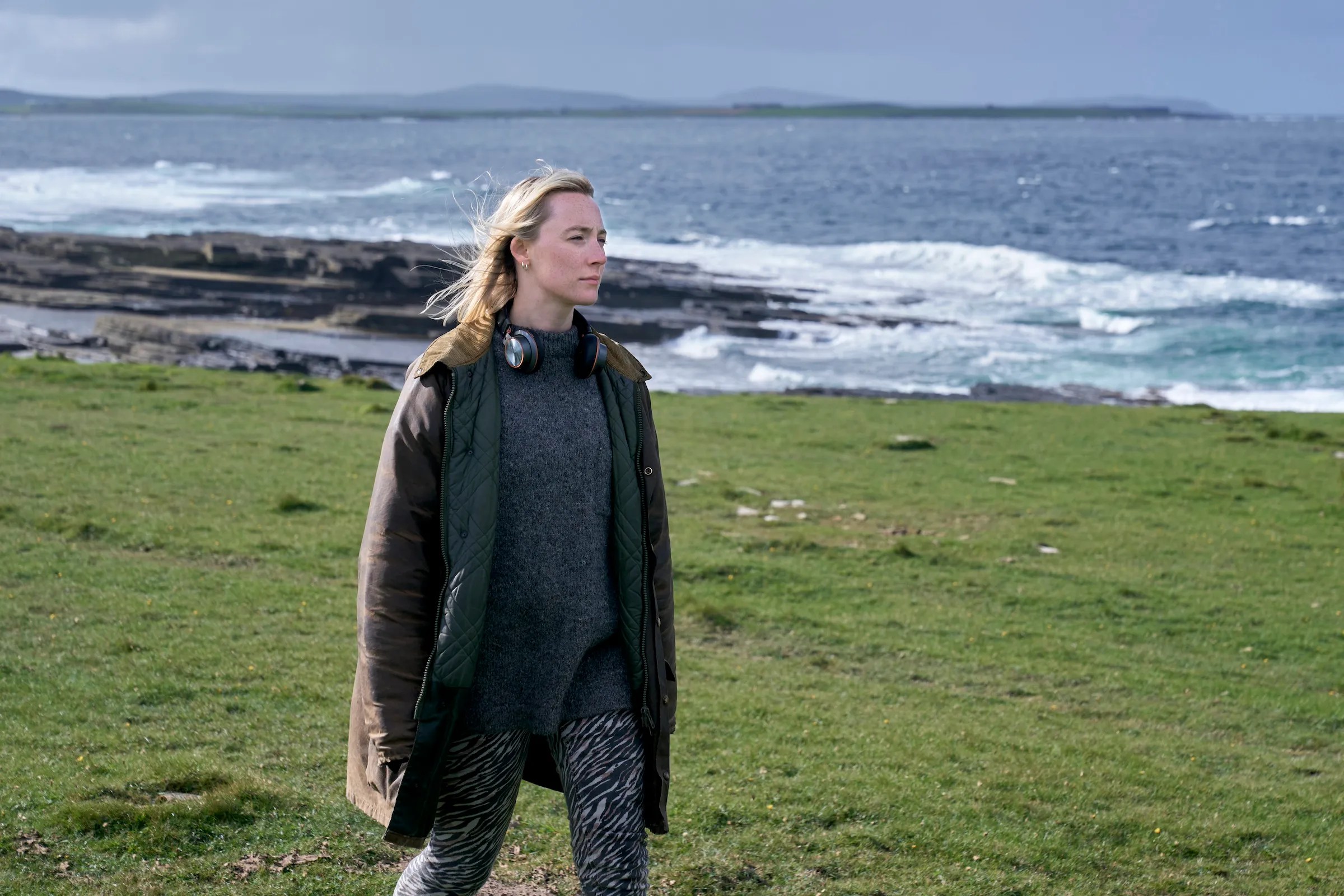
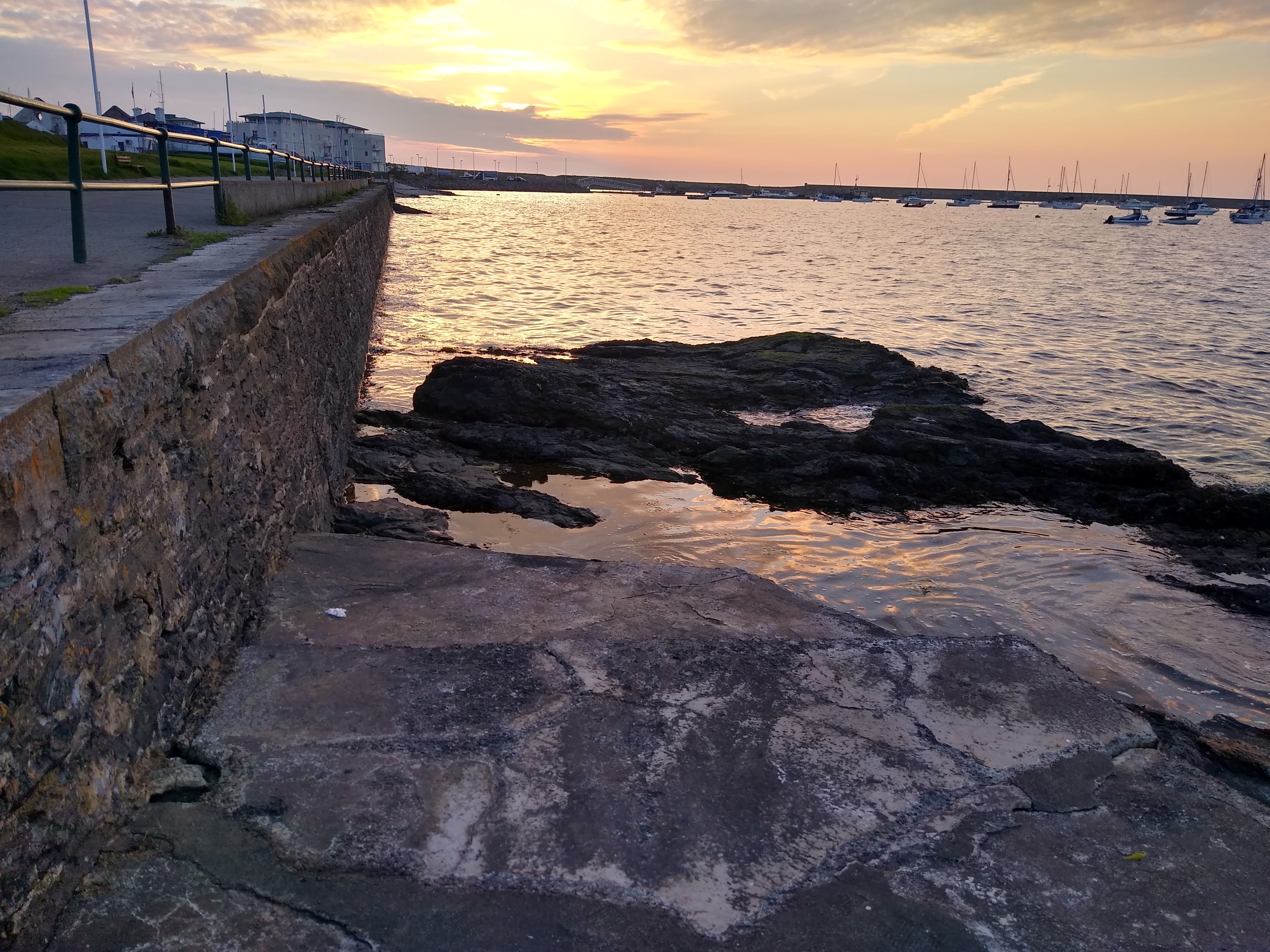


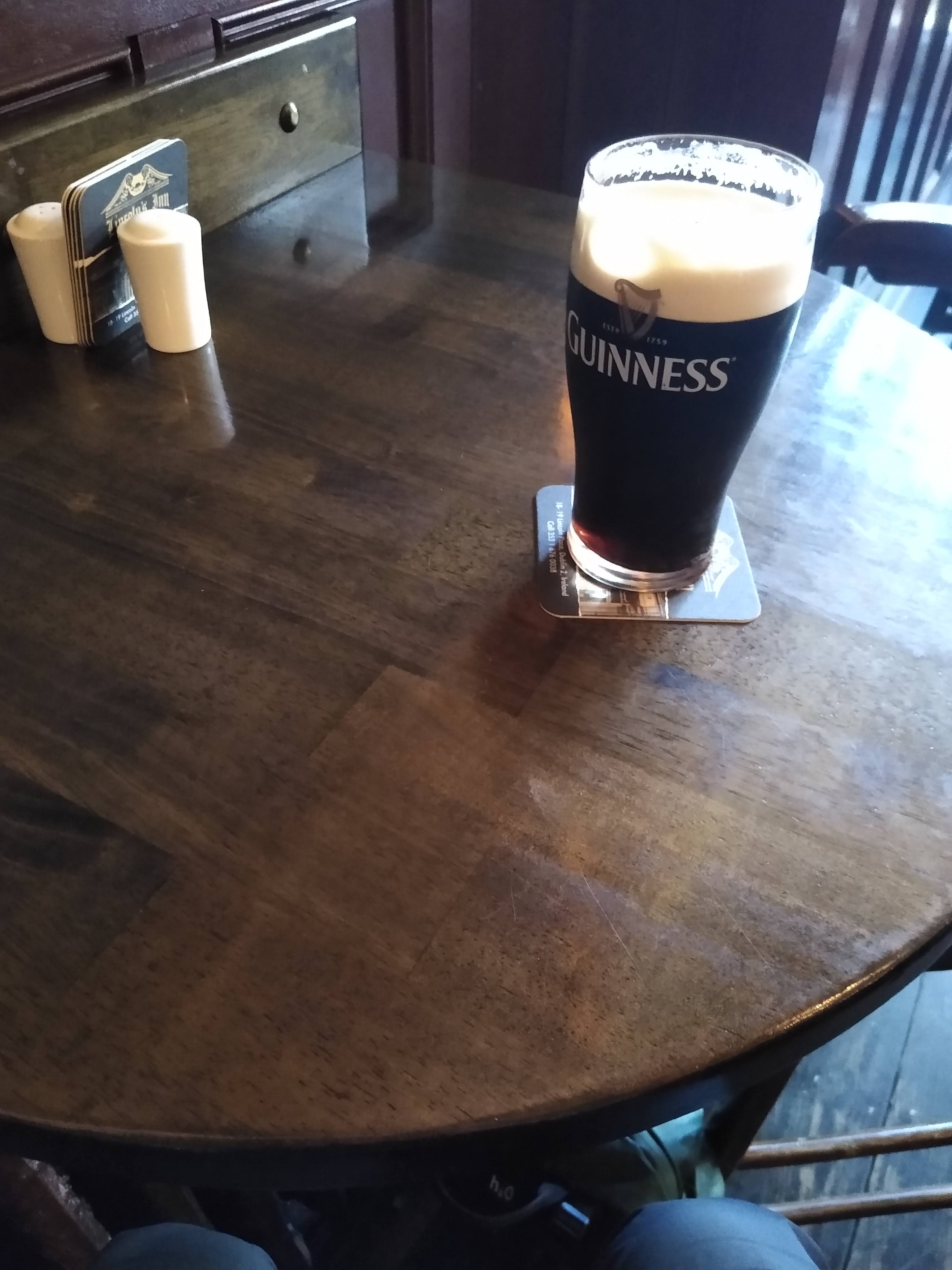
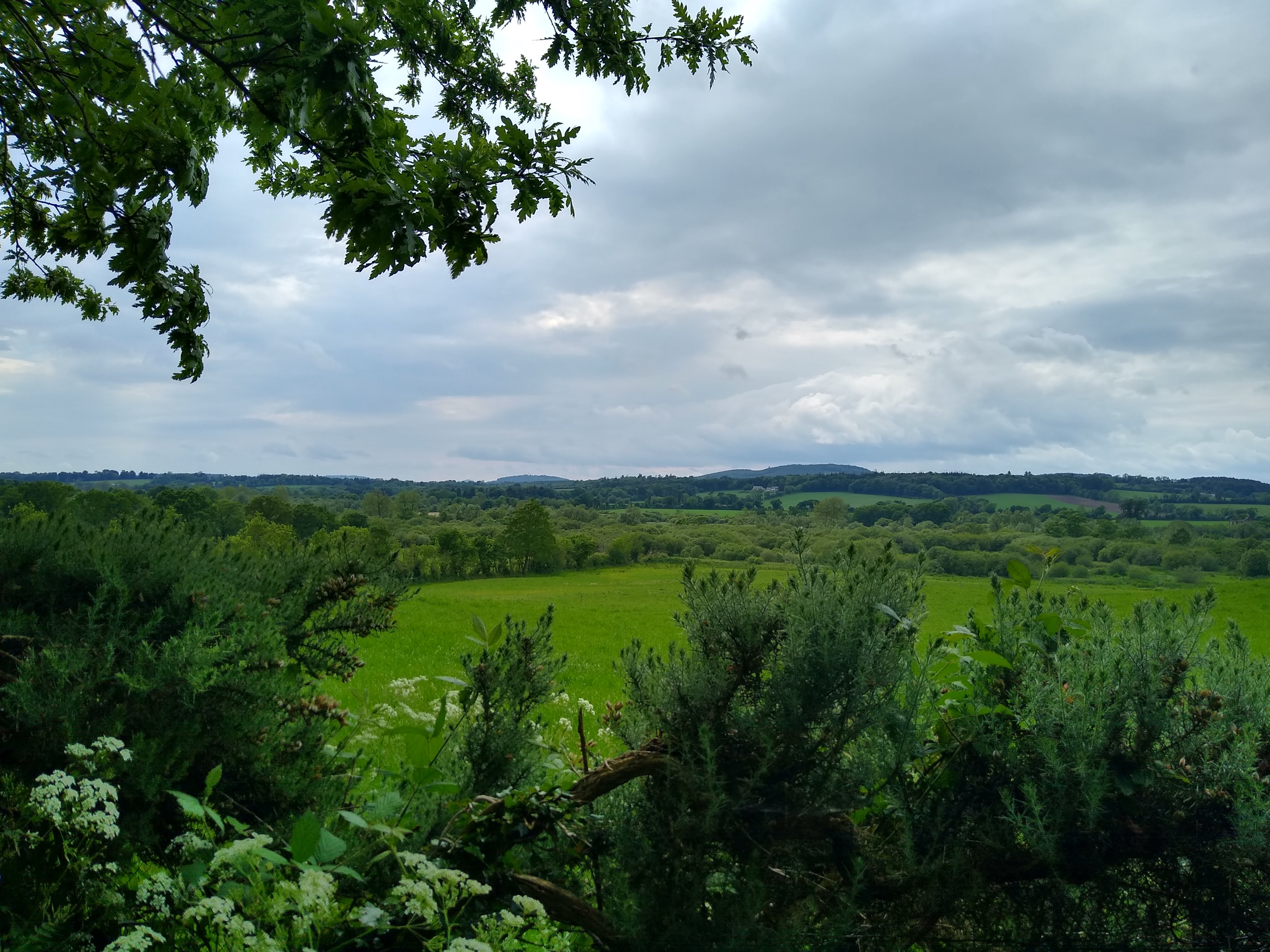
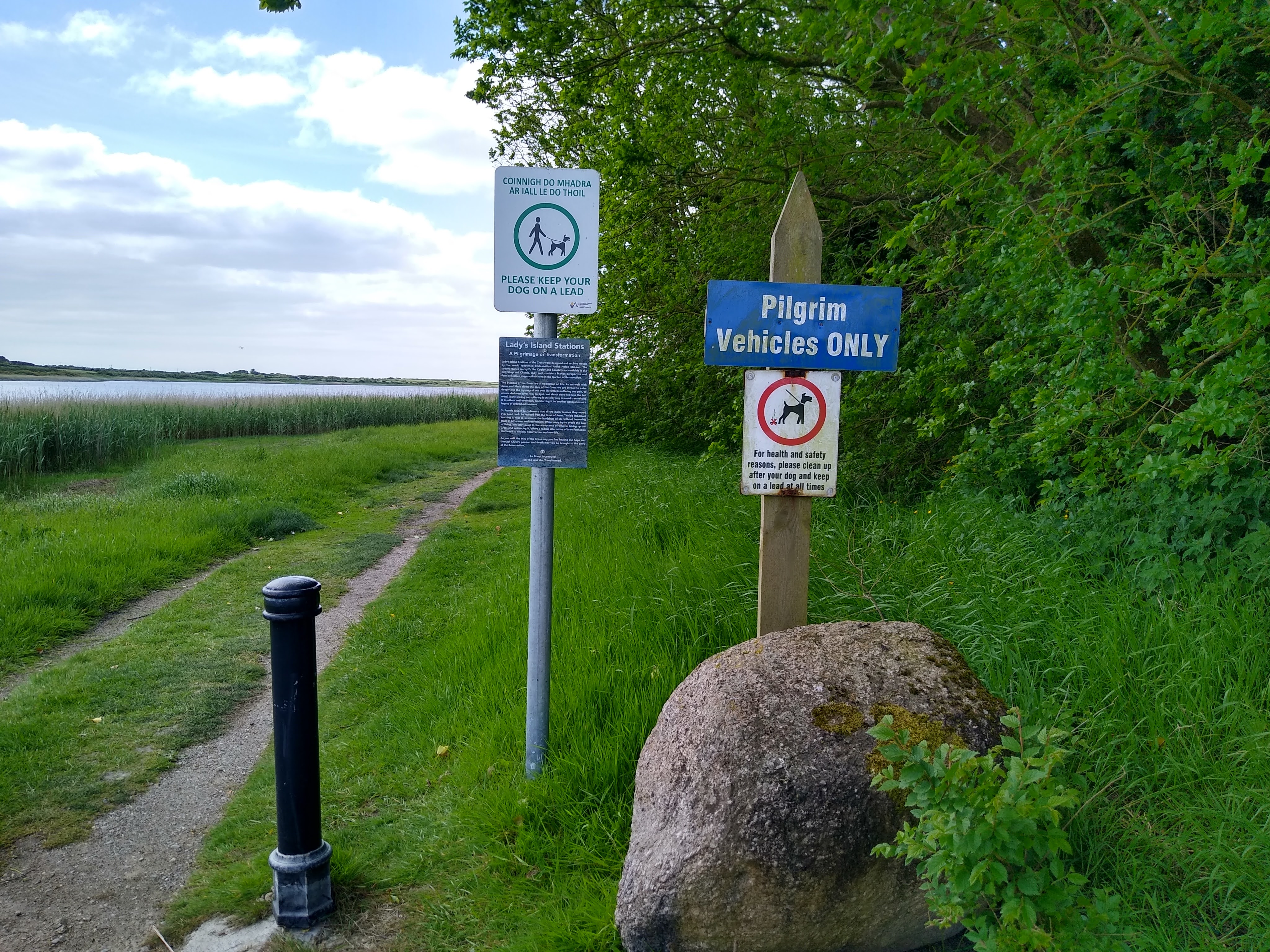

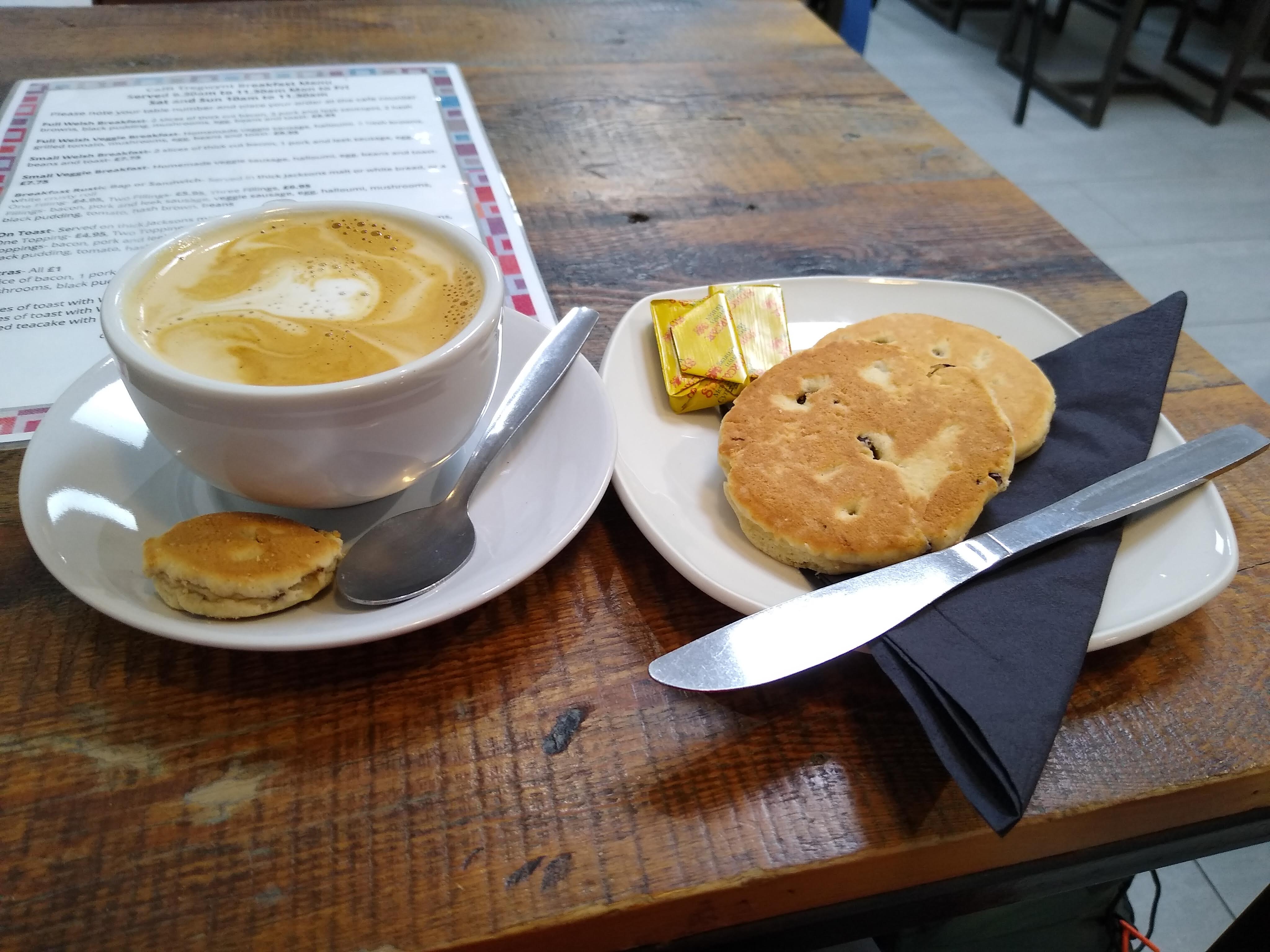
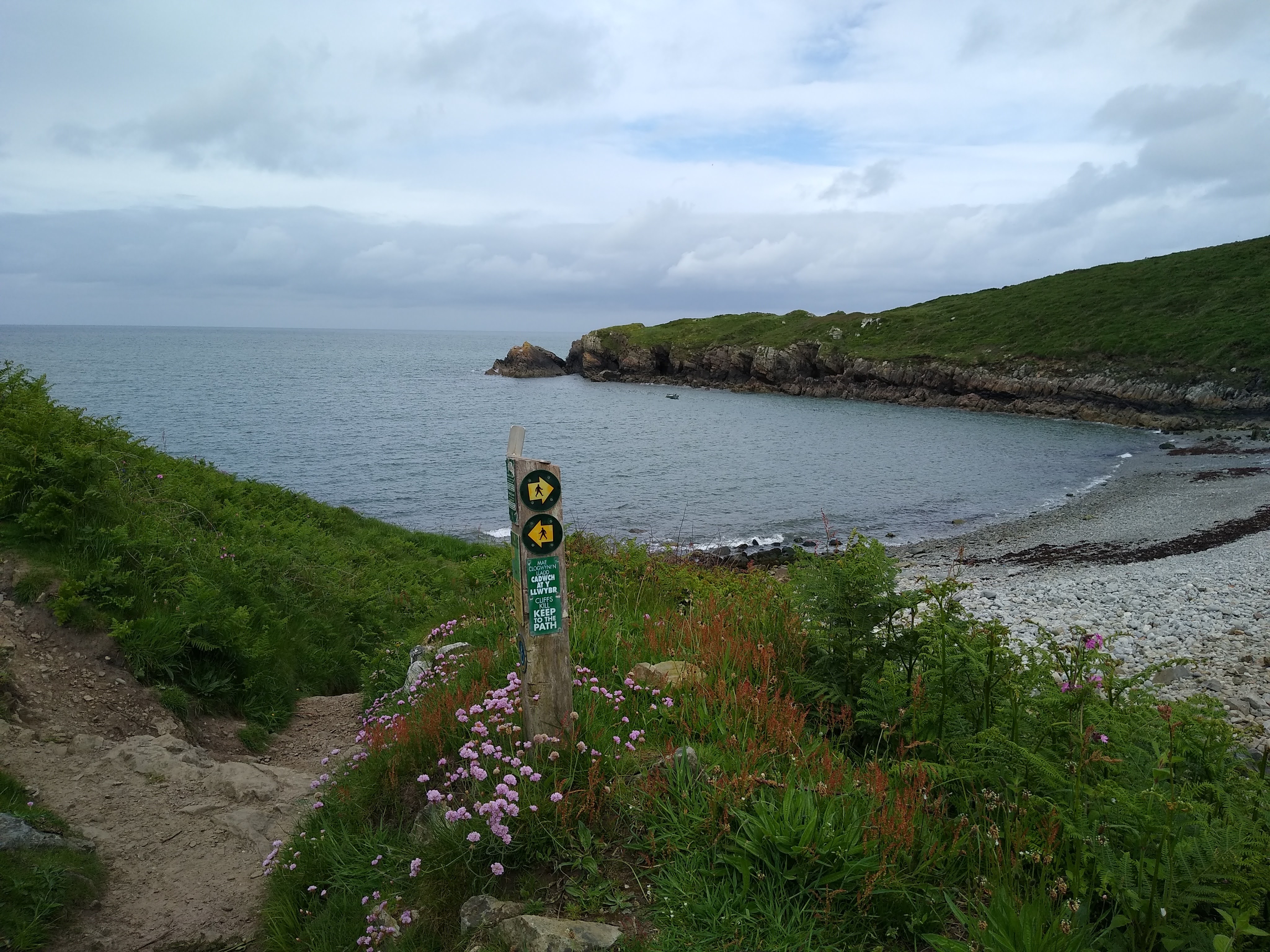
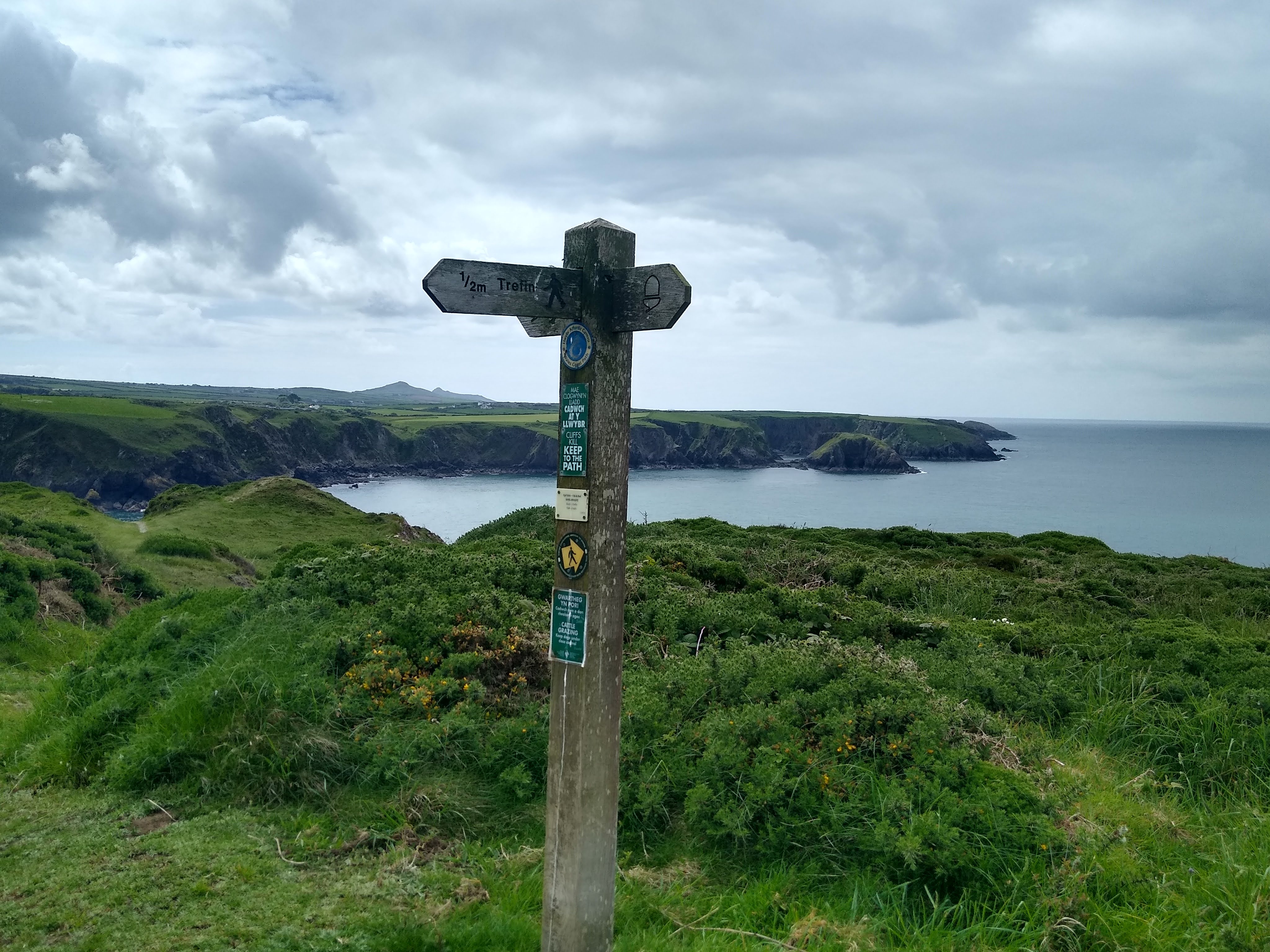

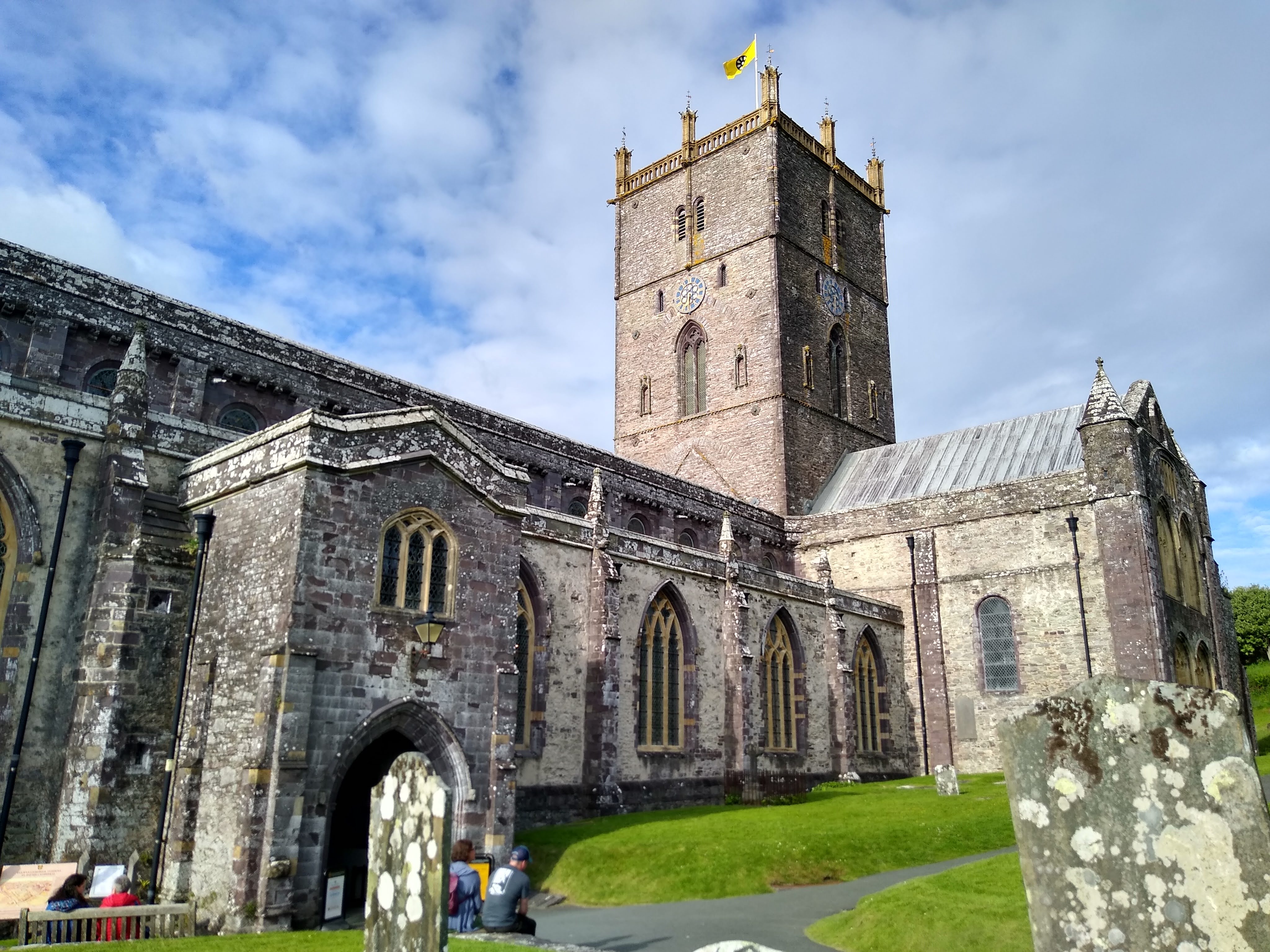
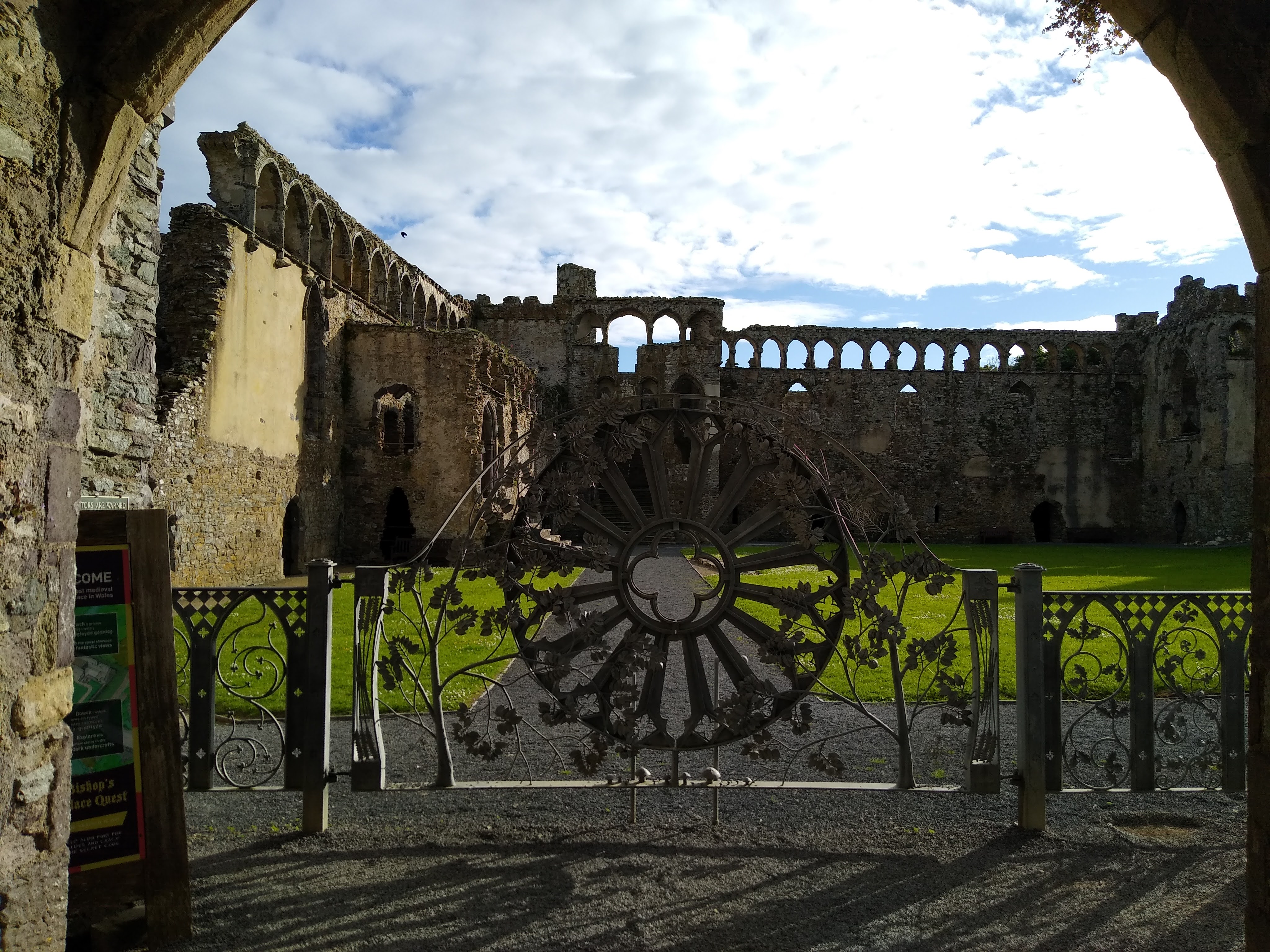
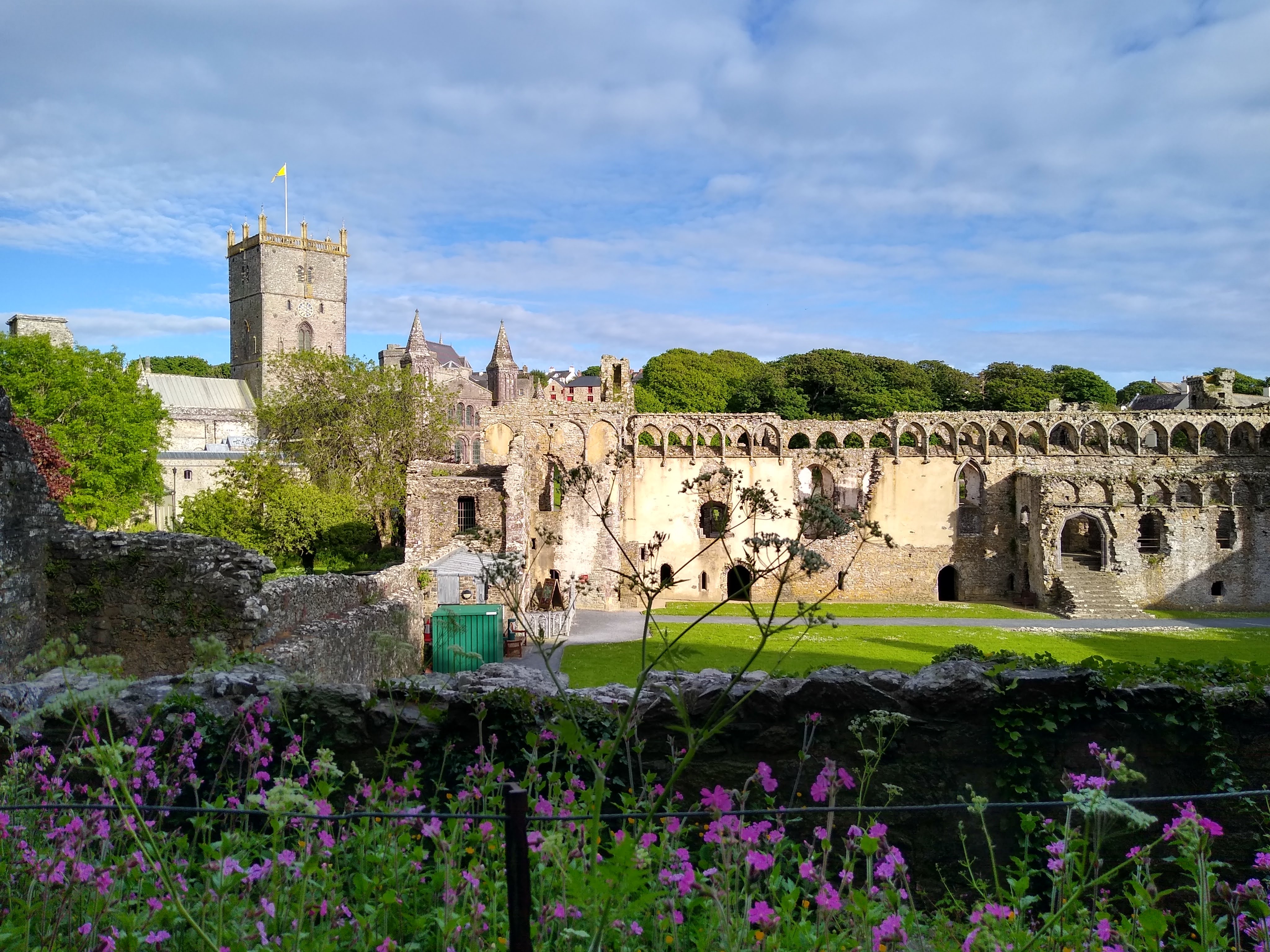


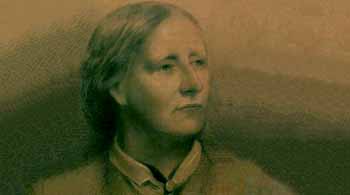

 Flett-cetera